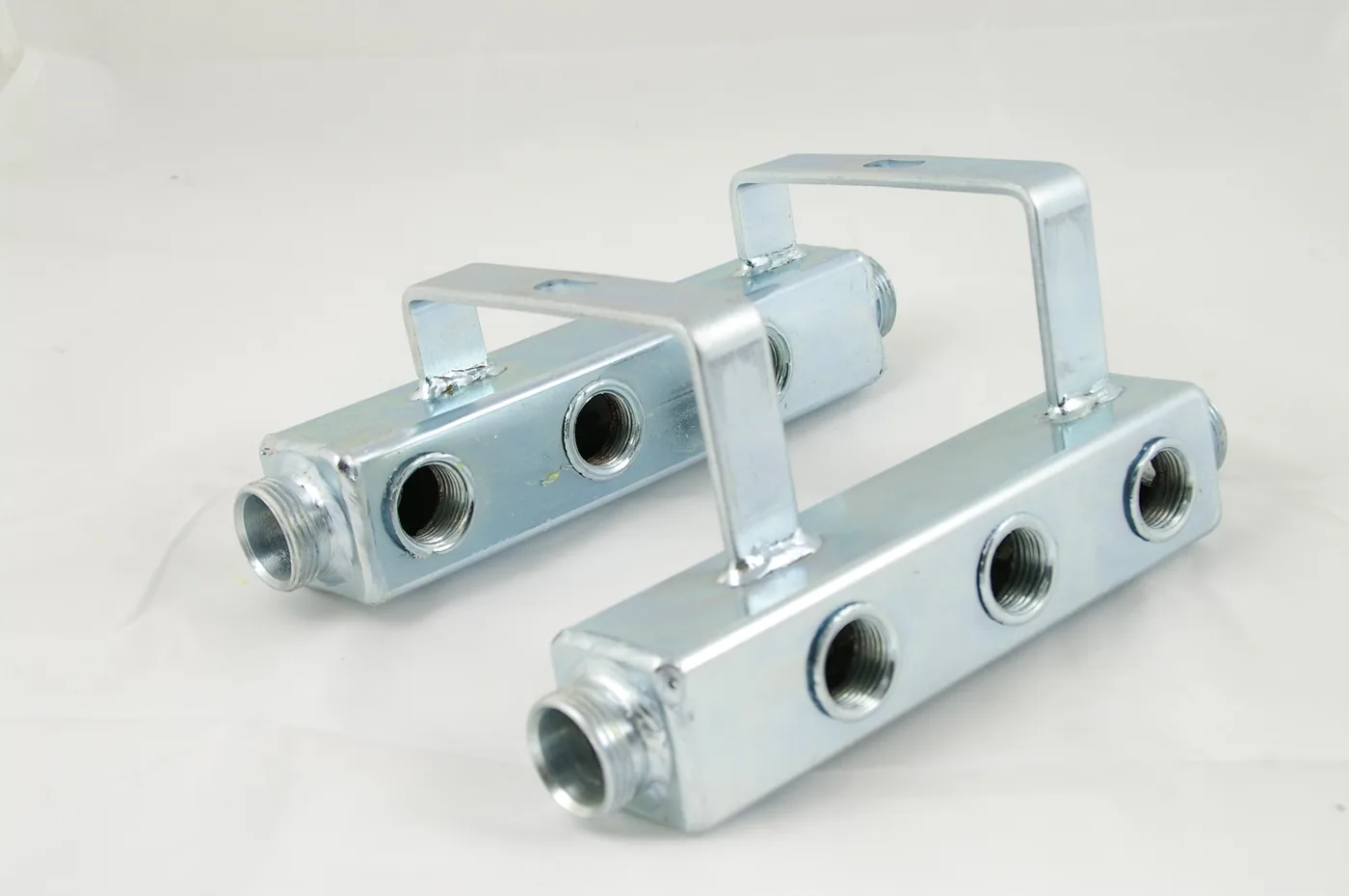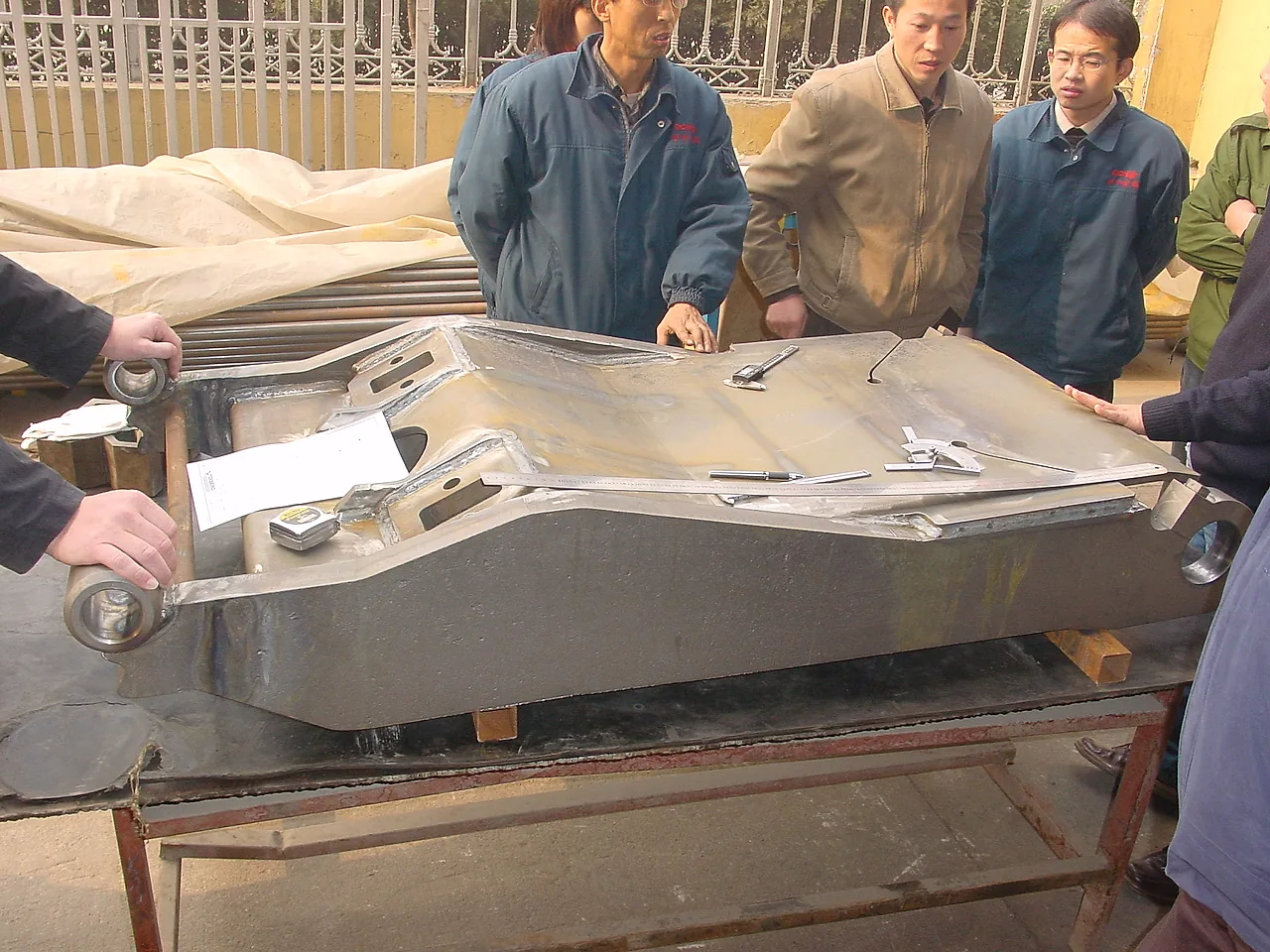

Do you need a complete welded fabrication that is also machined and finished after welding? TOS manages welded fabrications with machining and coating in China from your drawing and the function of the finished product. We coordinate material, welding route, critical dimensions and corrosion protection.
From a bracket or welded pipe assembly to a frame or machine base, the required delivery condition defines the production route. You retain one Dutch point of contact for preparation, first articles, inspection, packaging and delivery.

We define the geometry, fit and finish required at delivery and the dimensions that must be achieved.

Welding sequence, fixturing and any CNC machining are aligned with functional holes and faces.

Material, environment, visible surfaces and assembly together determine suitable protection and preparation.

Masking, layer fabrication and the order of operations are included in the delivery agreements.

TOS aligns final inspection, documentation, protection and logistics with the assembly.
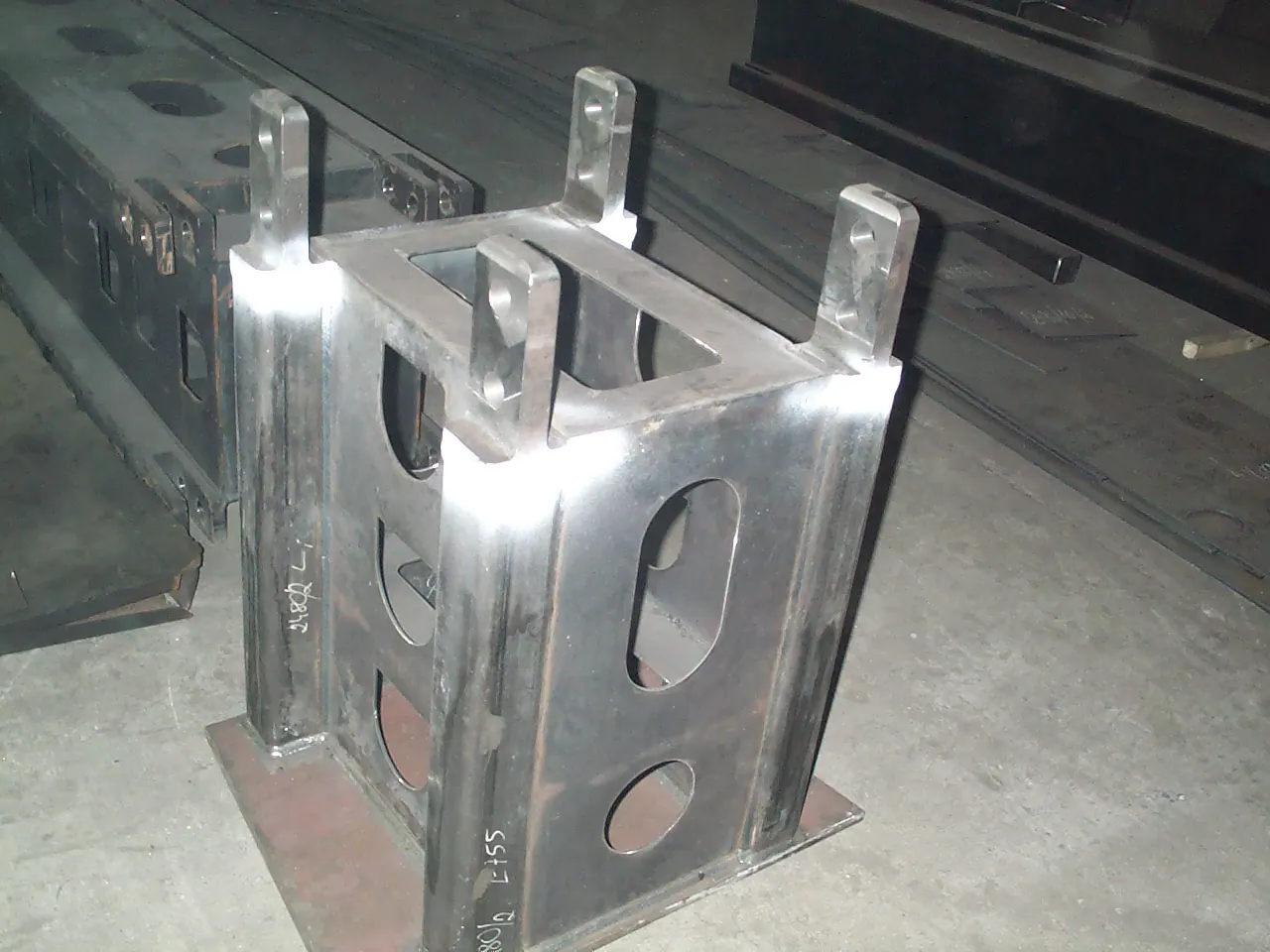
A welded assembly is not always immediately ready for assembly. Welding heat and shrinkage can affect geometry; functional holes and surfaces may require additional processing. A coating or zinc layer can then change the fit. That is why the assessment starts with the end product and the requirements that apply upon delivery.
Indicate which dimensions must be achieved after welding, after CNC machining and after finishing. Distinguish between precise mating surfaces, mounting holes, threads, visible surfaces and other surfaces. This information determines which parts are protected, masked or processed in a later step.
The welding route can be MIG/MAG welding, TIG welding or where appropriate robot welding. Process selection, clamping and working order follow from material, connections and series.
TOS not only assesses the price of the raw welding part, but the complete delivery: including tools, machining, finishing, inspection, assembly, packaging and transport.
Finishing before or after surface treatment? There is no fixed order for each product. Machined mating surfaces may require protection during treatment. Editing after coating can locally remove the protective layer and require a repair appointment. TOS therefore coordinates in which step the functional dimensions are achieved, how uncoated surfaces are protected and how the end product is checked.

You share drawings, materials, quantities, critical dimensions and the desired protection.

We coordinate cutting, bending, welding, clamping and the necessary machining.

The first fabrication is reviewed for the agreed shape, fit, welding details and finish.

After release, series production, processing, surface treatment and possible assembly follow.

inspection, reporting and packaging are in line with the complete available fabrication.
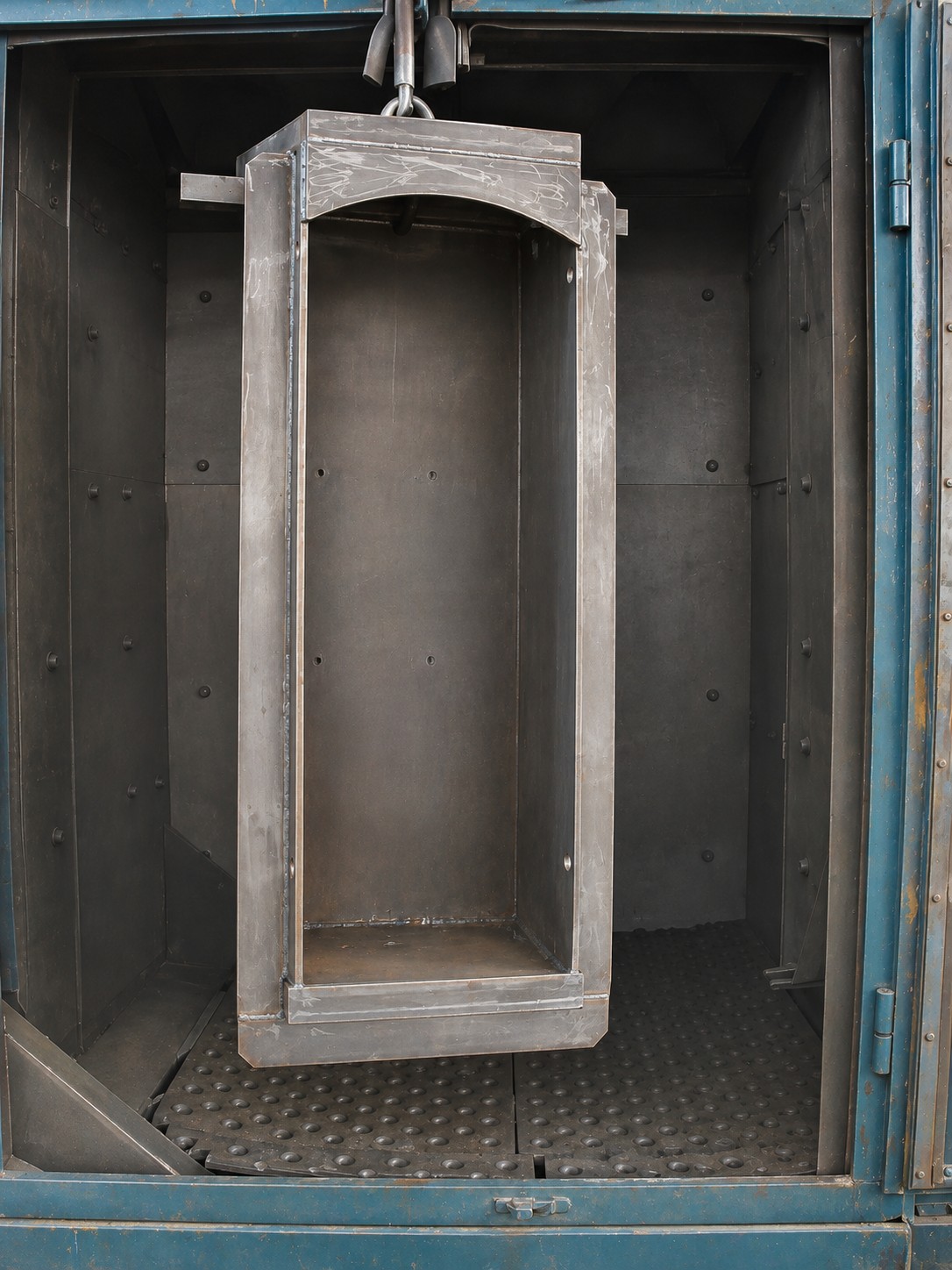
Functional surfaces and holes. Mounting surfaces, bearing seats, connection bores and threads can be machined after welding where necessary. Record measurement references, tolerances and the desired condition during inspection. The structure must be accessible and reliably clampable for CNC machining.
Shape after welding. Check where the weld geometry influences the function. Targeting or additional treatment is only included when technically appropriate and agreed. Without product assessment, no fixed final tolerance applies to all welded fabrications.
Surface preparation. Oil, dirt, welding residues and sharp edges can make further finishing difficult. Cleaning, deburring, grinding and any blasting or chemical pretreatment are tailored to the material and the chosen protection system.
Layer build-up and masking. Indicate which surfaces must remain coating-free and where layer thickness is functionally relevant. Screw threads, fitting holes, contact surfaces and mounting points require clear agreements. Color, gloss and structure alone do not fully describe the protection.
Cavities and galvanizing. With hot-dip galvanizing, the design requires attention to ventilation, drainage and the design of hollow parts. This is reviewed in advance with the production and treatment partner. Hot-dip galvanizing and electrolytic galvanizing are different processes and are not exchanged without assessment.
Inspection after finishing. Agree which dimensions, fit, welding details and surface features will be reviewed upon delivery. Required tests, material documents and reports are recorded in advance. A chosen coating name is not a general guarantee for a specific lifespan.
Powder coating, wet painting and galvanizing offer various options. The choice depends, among other things, on the base material, the operating environment, geometry, visual quality, mounting and requirements for corrosion protection. TOS tailors the complete system and the preparation to your request.
A small welded mounting bracket requires different arrangements than a voluminous machine frame. Hanging, treating interior spaces, covering fitting surfaces and preventing transport damage are also part of the assessment. Any assembly will follow at a time that suits the operations and desired fit.
For a suitable route via China, the total costs and planning of the end product count. Think of recurring purchases, stable drawings and combining operations. Also view quality inspection and the overview of outsourcing production to China.
You share the current assembly and part drawings, parts list, material and quantities. Name application, final dimensions, welding details, finishing and possible assembly.
The partner assesses connections, clamping, deformation and accessibility of the surfaces to be machined. Critical characteristics are linked to clear measurement references.
Cutting, bending and other pre-processing produce suitable loose parts. The preparation is in line with the chosen welding route and any processing allowances.
The structure is assembled and welded according to the proposed route. Bonding sequence, welding sequence and tools are tailored to the required end geometry.
The geometry is reviewed before accurate functional dimensions are achieved. Any aiming or additional treatment will only be carried out if this has been agreed in the route.
Functional holes and surfaces are finished where necessary. The position of this operation in relation to coating or galvanizing follows from the requirements for fitting and protection.
The surface is prepared for the chosen system. Masking of threads, fitting surfaces and contact surfaces is determined in advance and included in the implementation.
Coating or galvanizing is carried out according to the agreed specification. Layer structure, color and visual quality are reviewed insofar as these have been recorded.
After any assembly, the deliverable product is checked for the agreed dimensions, fit, welding details and finish. Reports and tests follow the pre-agreed scope.
Packaging supports the fabrication and protects coating, protruding parts and uncoated mating surfaces. TOS coordinates documentation, logistics and the desired delivery.
For example, when functional mounting surfaces, holes or fits must be accurately realized after welding. The required processing depends on the drawing, deformation and clampability. Not every welded fabrication requires CNC machining.
That varies per product. machining before coating may require masking; subsequent machining can locally remove protective layers. The route must achieve both final dimensions and corrosion protection. Therefore, record which requirements apply upon delivery.
A layer can affect dimensions and fit. Explicitly indicate coating-free zones, threads and critical holes. Masking, any post-treatment and inspection are tailored to the chosen process and function.
The application determines the choice. Basic material, indoor or outdoor use, geometry, visible work and required protection count. State a prescribed system in the application. Without a product specification, there is no coating that is the best choice for all fabrications.
Yes, the request can include the complete process from individual parts to post-processed, finished and possibly assembled end product. Share drawings, quantities, material, critical dimensions, finishing and inspection requirements. Feasibility is confirmed per fabrication.
Technical request
Upload a PDF, DWG or STEP/STP file and receive a detailed response about manufacturability, the production route and your request for quotation.