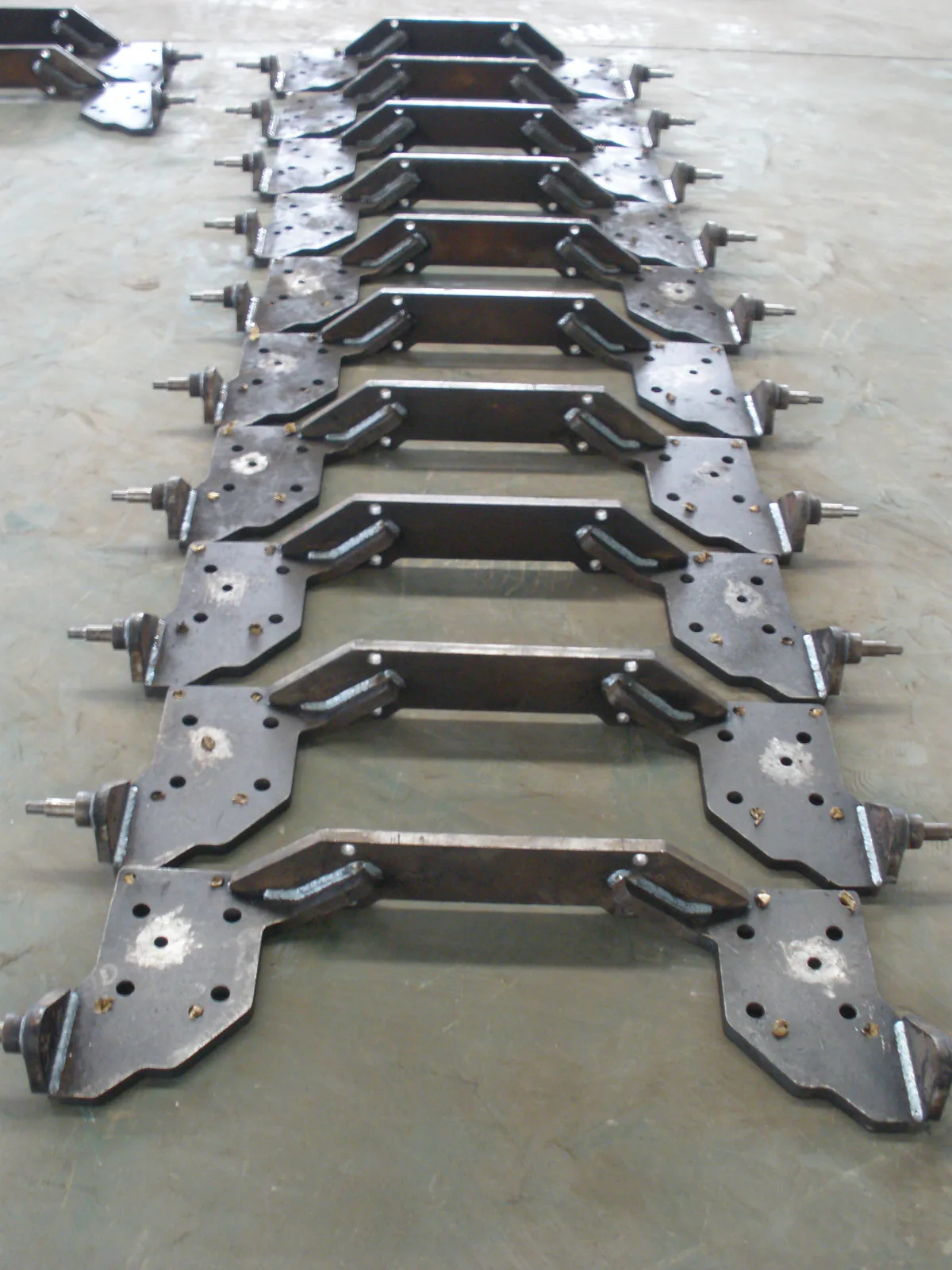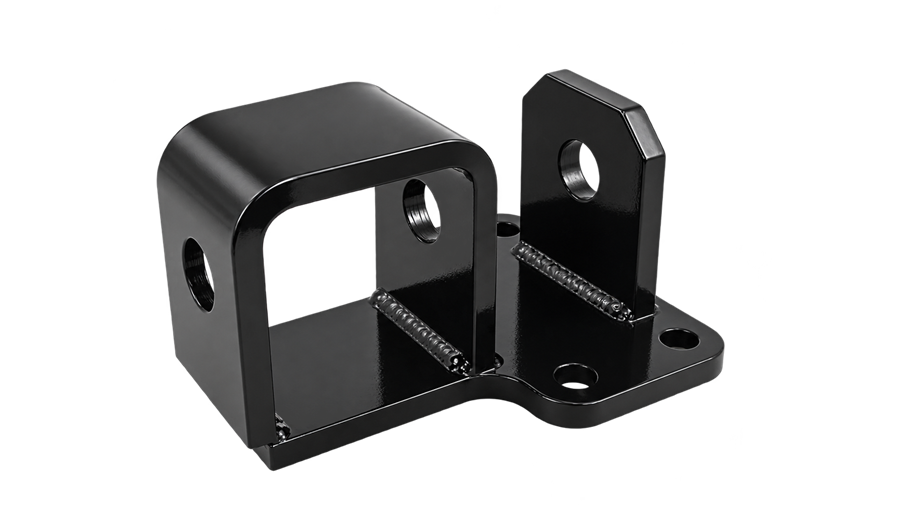

Do you want to have welded brackets, pipe parts, frames or sheet metal assemblies made in series? TOS guides MIG/MAG welding in China based on your drawing and the function of the end product. We coordinate material, preparation, welded connections and dimensional inspection with a suitable production partner.
The request can also include cutting, bending, CNC machining, surface treatment and assembly. You have one Dutch point of contact for the complete production route, quality agreements and delivery.

We define whether you need an as-welded part, a machined part or a fully finished assembly.

Material type, thickness, connection and application determine the choice of welding process and preparation.

Fixtures, welding sequence and inspection are aligned with the end product’s critical dimensions.

CNC machining, cleaning, coating or galvanizing can follow the welding work according to the drawing.
TOS supervises technical coordination, first products, series production and the agreed delivery.
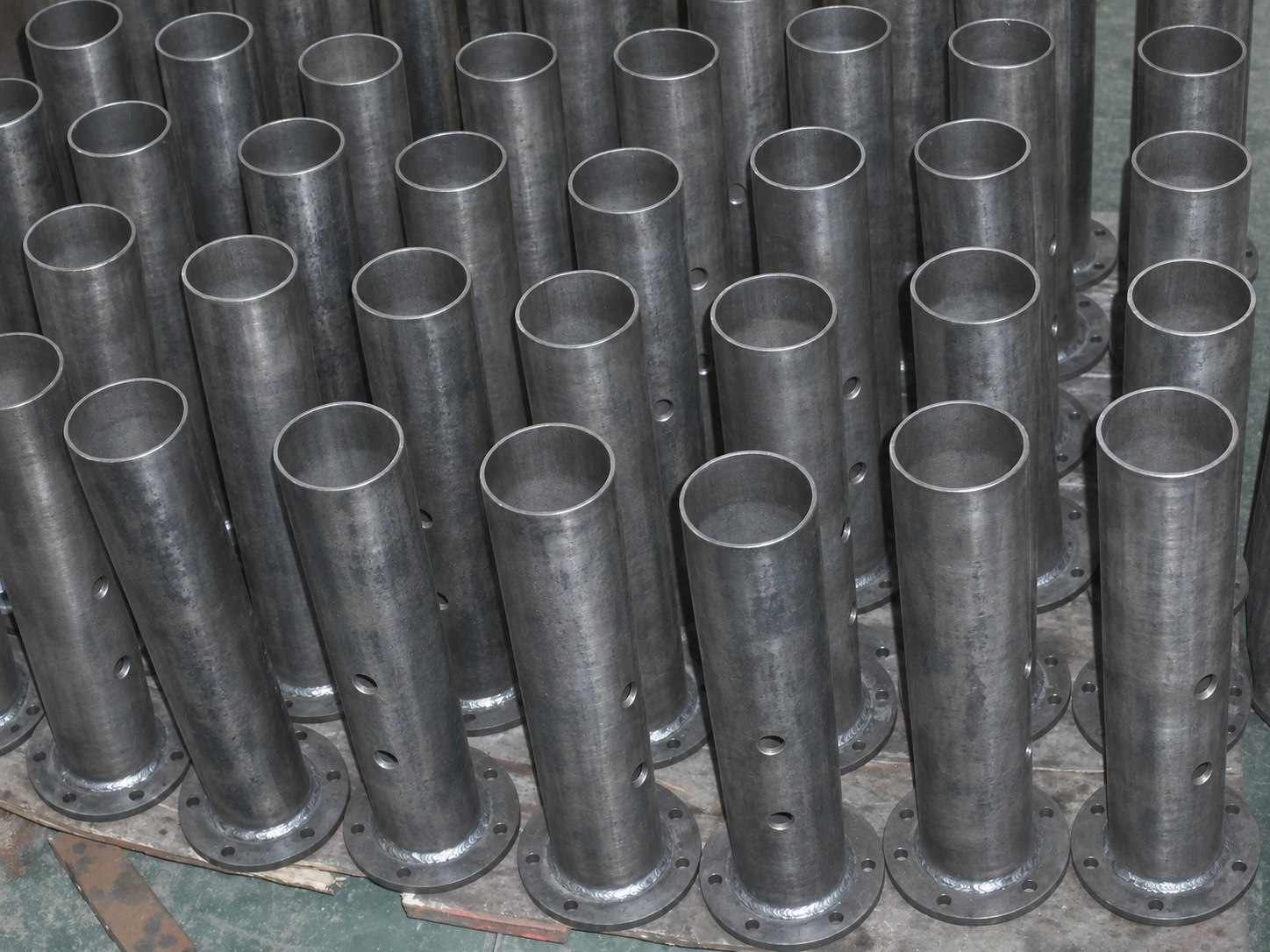
MIG and MAG are arc welding processes with a continuously supplied, consumable welding wire and shielding gas. The difference is in the gas: MIG uses an inert gas, MAG an active gas or gas mixture. The material and the connection determine which combination is suitable.
MAG is often used with steel. With aluminium, MIG with a suitable inert shielding gas is usually used. Stainless steel also requires a process choice that suits the exact material type, desired connection and finish. TOS has the route reviewed per request.
For complete welding parts, the work often starts before welding. Sheet metal parts can first be laser cut and set; sleeves and pipes are given the required length, recesses and connection surfaces. This is followed by assembly, bonding and welding.
The suitable version depends on the accessibility of the weld, tolerances, surface requirements and series. Manual, mechanized or robotized welding is chosen based on the product. A repeat series is not automatically suitable for robot welding.
For thin-walled connections or specific requirements for the welding finish, we compare where appropriate TIG welding in China. The material and the complete product requirements determine which welding route is suitable.
For recurring series, we also assess robotwelding in China. Part variation, welding jigs, accessibility and expected purchase determine whether automation suits the complete product.
When is welding from China appropriate? TOS assesses the costs and planning of the complete part. Recurring series, a stable drawing and combinations of welding with machining and finishing can be a suitable basis. Welding jigs, first products, material, inspection, packaging and transport count. With large, voluminous frames, transport can be heavy; a local emergency section requires a different consideration.

You share drawings, parts list, material, quantities and the desired delivery status.

We coordinate preparation, welded connections, fixtures and additional operations.

The first products are reviewed for agreed sizes, welding agreements and functional fit.

After release, series production, possible CNC machining, protection and assembly follow.

The final inspection, documentation and packaging are in line with the agreed delivery.
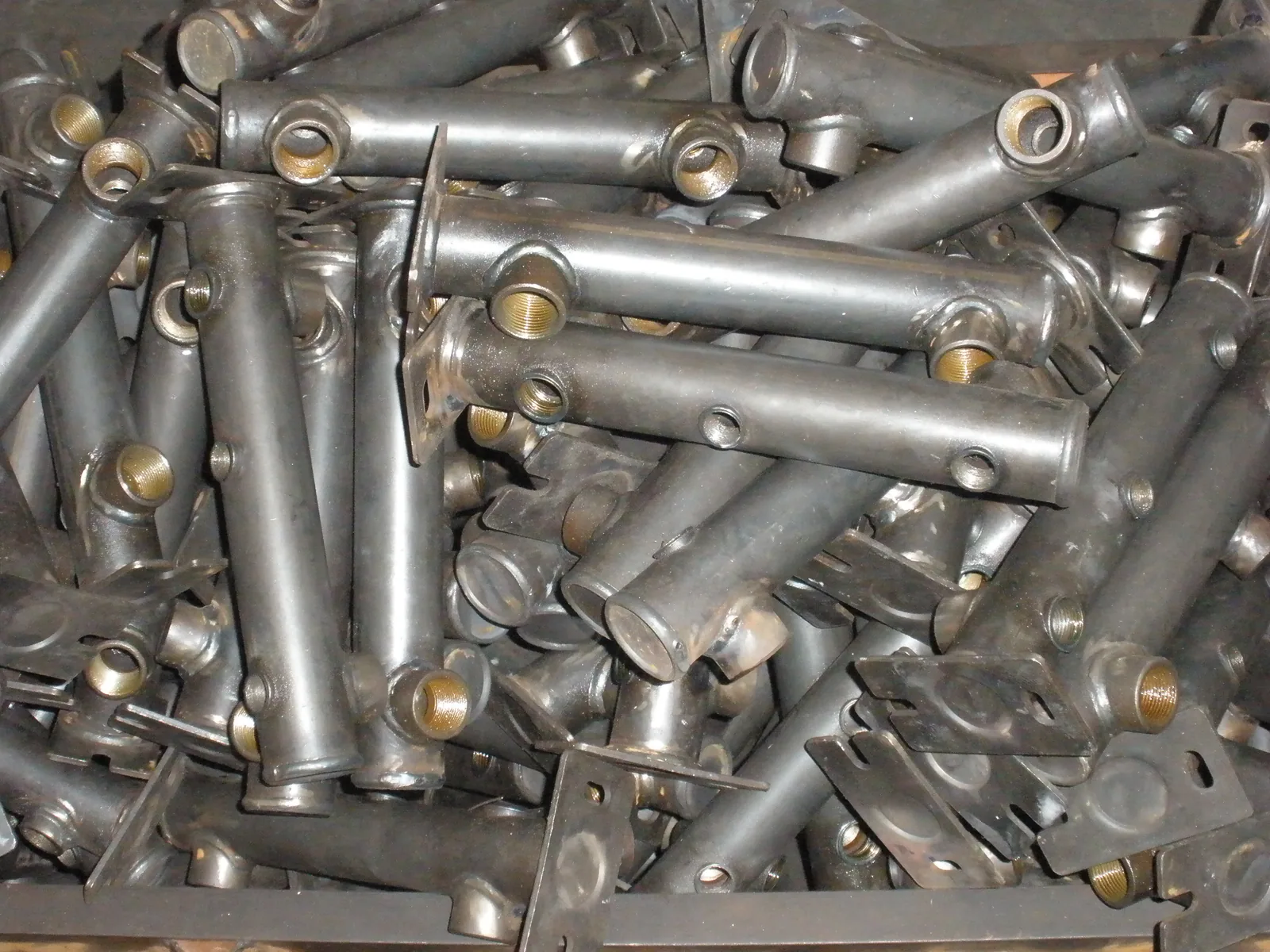
Material and connection. Specify the exact material standard and quality, plate or wall thickness and any material documents. The welding preparation, the filler material and the choice of process must match these principles.
Welding agreements on the drawing. Record the location, type, length and dimensions of the required welds. Also state requirements for penetration, visible work or tightness where these are functionally necessary. A photo alone does not replace these specifications.
Deformation and references. Heat input and shrinkage can deform the assembly. Preparation, bonding sequence, welding sequence and clamping are tailored to the product. Indicate which dimensions must be achieved after welding, finishing and finishing.
Functional finishing. Fitting surfaces, bearing seats, mounting holes and threads can be machined after welding where necessary. The geometry must be clampable and accessible. A welding jig does not replace an assessment of the final dimensions.
Check and documentation. Agree on a visual assessment, dimensional check and any additional testing in advance. Required standards, procedural or welder qualifications and reports are specified with the application and reviewed for suitability before assignment.
Finishing and use. Grinding, deburring, cleaning and corrosion protection are linked to the application. Protected fitting surfaces, covered threads, visual quality and fit after coating are part of the delivery agreements.
A welding part can consist of plate, sleeve, tube and machined parts. TOS coordinates the preparation and assembly based on the deliverable end product. In series, a welding jig can help to position parts repeatably. The investment is reviewed together with the purchase quantity and design stability.
After welding, CNC machining may be required for accurate mounting surfaces or holes. Cleaning, surface treatment and assembly are then carried out as agreed. Consider a welded mounting bracket that is post-processed, coated and supplied with mounting parts.
Also view our general explanation of welded fabrications, quality inspection and outsourcing production to China.
Read more about welding fabrications with machining and coating in China for the coordination of functional sizes, masking, protection and complete delivery.
The current assembly drawing, part drawings and parts list form the basis. Indicate revisions, application, quantities, material, welding agreements and desired delivery condition.
The production partner assesses the material, the connections and the accessibility of the welds. Welding preparation and process selection are linked to the function and agreed quality.
Cutting, pipe or tube processing, bending and any pre-processing provide the individual parts for the assembly. Connection surfaces and dimensions are tailored to the welding route.
We assess how parts are positioned and bonded. With a product-related welding jig, costs, release, maintenance and changes are agreed in advance.
A first assembly is produced according to the proposed route. The assessment focuses on agreed welding details, geometry, mounting points and functional fit.
Corrections to preparation, clamping or work order are agreed before the series starts. The released drawing revision and inspection agreements are recorded.
The series follows the agreed preparation, bonding and welding sequence. Interim checks focus on relevant dimensions, welded connections and possible deformation.
Where necessary, mounting surfaces, holes or fits are CNC finished after welding. Grinding or straightening is only included to the extent that this fits the product requirements and agreed route.
Cleaning, coating, galvanizing and any assembly follow the desired delivery condition. Final inspection assesses the product based on the agreed dimensions, welding agreements and finish.
The packaging supports the assembly and protects protruding parts, fitting surfaces and coatings. TOS coordinates the requested reports, logistics and delivery with the production partner.
MIG uses an inert shielding gas and MAG an active gas or gas mixture. Both processes use a continuously supplied, consumable welding wire. The exact material type and connection determine which combination is suitable.
Yes, the request can include a complete assembly: preparation, cutting, bending, welding, possible CNC machining, surface treatment and assembly. The feasibility and desired delivery status are confirmed per product.
State the dimensions that are functional after welding and after finishing, with clear measurement references. The production partner assesses fixtures and work sequence. machining may be required for precise surfaces or holes. There is no fixed tolerance for all welding parts.
That depends on application and customer requirements. Please state the required standards, qualifications, tests and documents when submitting your application. TOS assesses before an assignment whether a partner can meet those requirements. Additional inspections and reports are explicitly agreed upon.
Share the current assembly drawing, part drawings and parts list, preferably with a 3D model. Indicate material, quantities, welding details, critical dimensions, finish and any qualification or inspection requirements. Also indicate the desired packaging and delivery.
Technical request
Upload a PDF, DWG or STEP/STP file and receive a detailed response about manufacturability, the production route and your request for quotation.