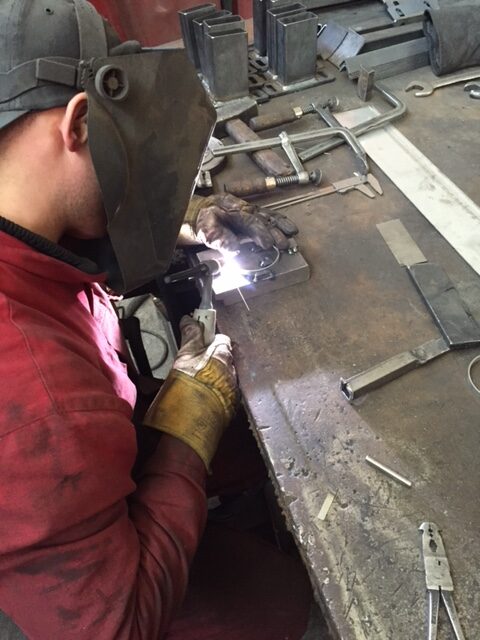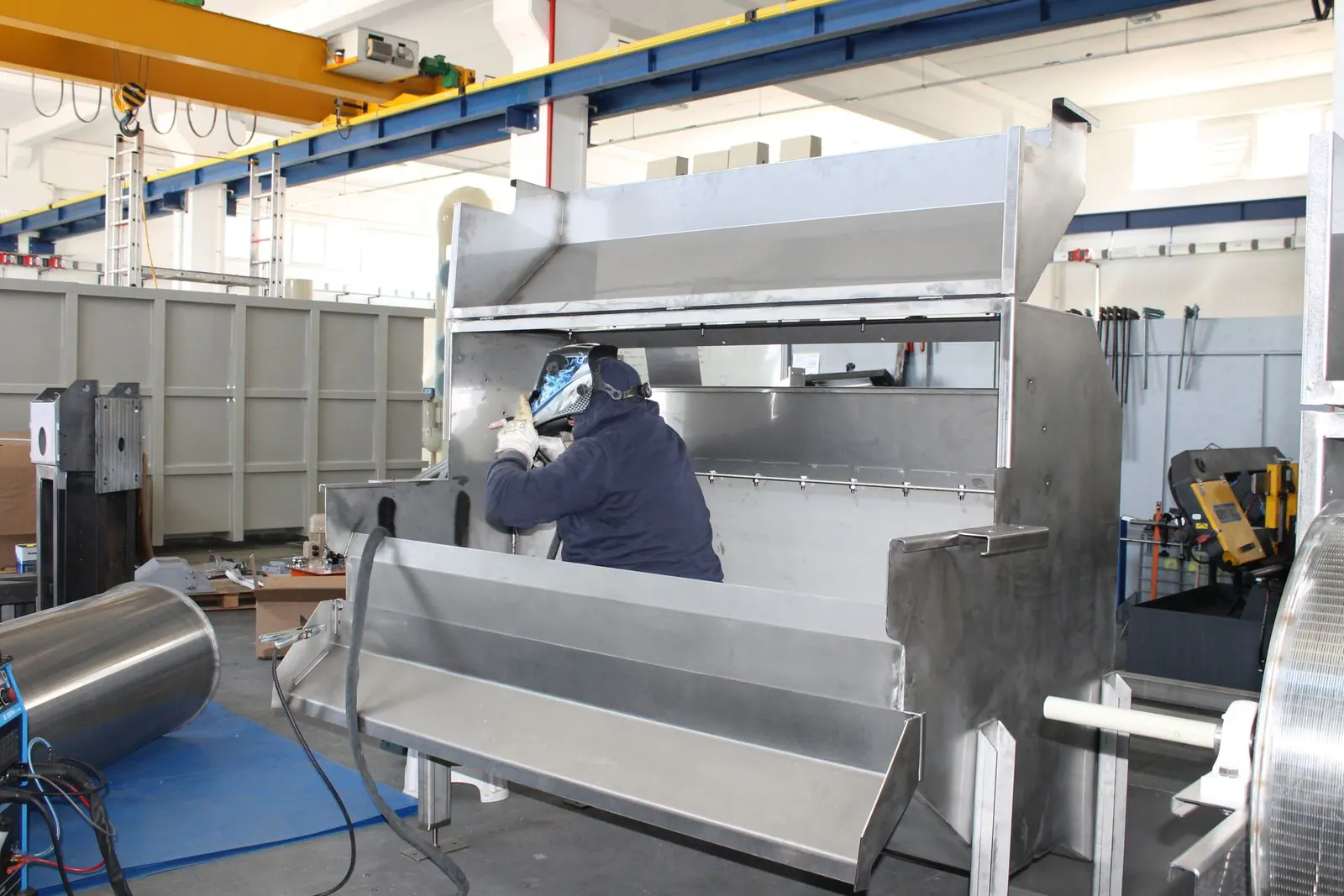

Do you want to have stainless steel or aluminium parts welded where the weld, fit and finish are carefully matched? TOS supervises TIG welding in China for sheet metal parts and composite products according to drawings. We assess the connection together with material, preparation and the desired delivery condition.
The process can also include cutting, bending, CNC machining, cleaning, surface finishing and assembly. You have one Dutch point of contact for technical coordination, first products, inspection and delivery.

The connection is linked to material, load, fit and the desired delivery condition.

Connection seams, surfaces and material treatment are tailored to the welding work.

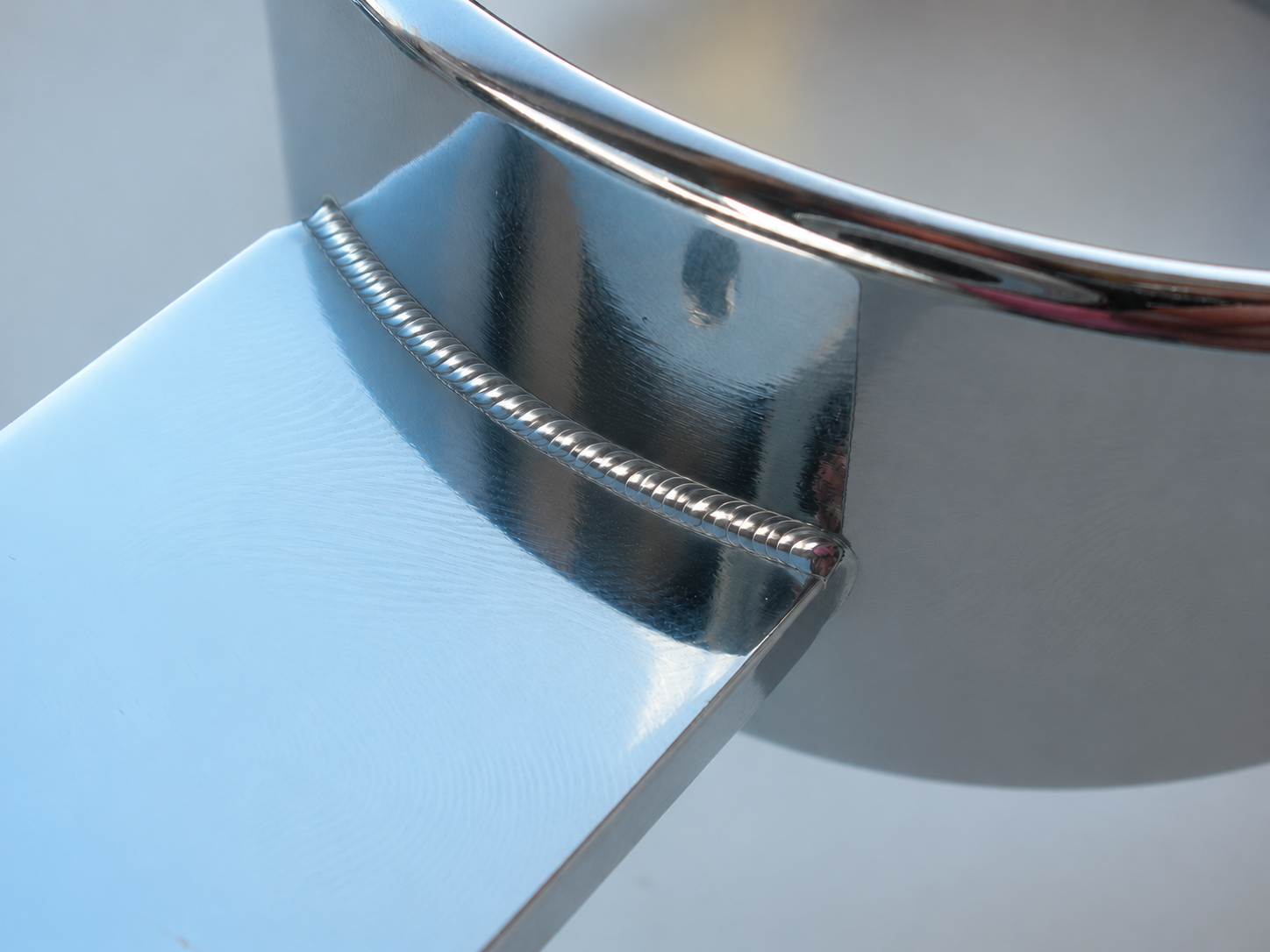
Agree whether the weld may remain visible and which requirements apply to discolouration, grinding and surface finish.

Fixtures, work sequence and any machining are aligned with the critical product dimensions.
TOS can combine the welding work with further processing, finishing and assembly as agreed.
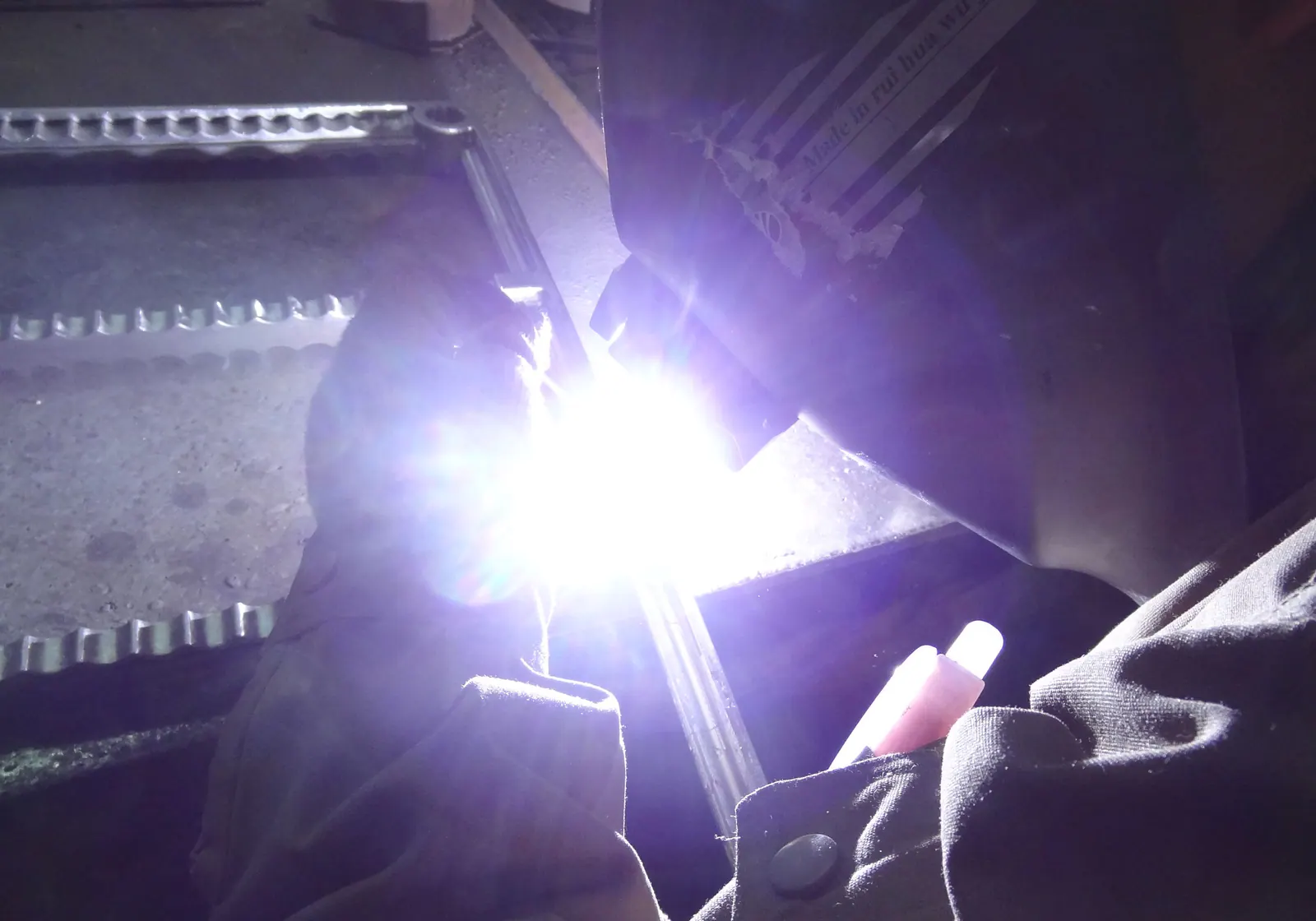
In TIG welding, the welding arc is created between a non-consumable tungsten electrode and the workpiece. Shielding gas shields the weld pool; if necessary, filler material is supplied separately. This enables targeted inspection of the connection.
TIG can be suitable for thin-walled parts, precision-fitting connections and welding work where the surface plays an important role. It is used, among other things, on stainless steel and aluminium. The exact material type, thickness and connection determine the suitable version.
For a productive series route, we compare TIG where appropriate with MIG/MAG welding in China. TIG usually requires more time for manual work; the best choice follows from the complete product requirements and total costs.
The preparation can consist of laser cutting, bending and the processing of connecting surfaces. TOS tailors these steps to the assembly and the desired dimensions after welding.
When is TIG welding from China appropriate? Recurring purchases and a clear product definition can form a suitable basis, especially when the welding is part of a completely machined and finished product. TOS compares material, preparation, welding hours, tools, inspection, finishing, packaging and transport. A small rush part or a design that is still changing significantly may suit a different route better.

You share drawings, material, application, quantities and desired finish.

We assess preparation, accessibility, gas protection and the sequence of operations.

The first parts are reviewed for the agreed weld, dimensions, surface and fit.

After release, series production, possible machining, cleaning and assembly follow.

Final inspection, documentation and packaging correspond to the agreed delivery status.
The exact material type. Indicate material standard, quality, plate or wall thickness and relevant material documents. The suitable preparation and filler material are determined per connection. Not every aluminium alloy or combination is suitable without assessment.
Cleanliness and connection seams. Oil, dirt and oxide influence the welding process. The preparation must suit the material. With stainless steel, unwanted contamination and the handling of tools are taken into account; In aluminium the oxide layer requires attention. A good connection prevents welding from having to unnecessarily compensate for deviating parts.
Protection of the weld root. Additional gas protection may be required for connections where the back side can oxidize. Discuss the inside, accessibility and application in advance. A neat exterior does not prove that the interior also meets the requirements.
Discoloration and surface. Record which discoloration and weld structure are accepted. Cleaning, grinding, pickling, passivation or polishing is only included where appropriate for the material and application. The desired final finish and any consequences for dimensions are agreed in advance.
Deformation and fit. TIG welding can also deform due to heat and shrinkage. Indicate measurement references and critical dimensions after welding and finishing. Fixture and work sequence are reviewed on this basis. For precise holes or surfaces, additional machining may be required.
Functional requirements. Explicitly state requirements for tightness, cleanability or operating environment. The welding process alone does not provide proof of leak tightness or suitability for a hygienic application. Required tests, qualifications and documents are agreed before assignment.
Stainless steel sheet metal assemblies, aluminium housings and other composite parts require a coordinated work sequence. Loose parts must be suitably prepared before assembly and welding begin. For repeat orders, the approved drawing revision and agreed quality remain the starting point.
Where functional holes or mounting surfaces must be accurately realized, CNC machining can be reviewed after welding. This is followed by the desired cleaning, surface finishing and possible assembly. Protect visible surfaces and fitting surfaces during storage and transport.
TOS coordinates the route with a production partner that suits your request. Also read about welding fabrications, quality inspection and the other options for outsourcing production to China.
You supply assembly drawings, part drawings and, where possible, a 3D model. Indicate revisions, material, quantities, application, welding details and desired delivery condition.
The partner assesses material, thickness, weld geometry and accessibility. Where relevant, TIG is compared with other welding processes in terms of function, finish and series.
Cutting, bending and any pre-processing produce suitable loose parts. Cleaning, edge preparation and material handling are tailored to welding.
The route includes positioning, bonding and welding. Where necessary, aids and protection are taken from the rear. Costs and agreements regarding product-related resources are recorded.
The first parts are made according to the proposed route. The assessment focuses on agreed welds, end geometry, surface and functional fit.
Any corrections will be agreed before the series starts. The approved drawing, finish and acceptance criteria form the basis for release.
The production partner carries out the welding work according to the released route. Interim checks focus on the relevant dimensions, welded connections, material handling and deformation.
Where necessary, functional holes or surfaces are reworked. Cleaning, grinding or other surface treatments follow the agreed requirements, with attention to dimensions and visible surfaces.
The deliverable product is reviewed according to the agreed size, welding and surface requirements. Additional testing or reporting will be carried out when agreed.
The packaging protects the shape, visible surfaces and functional connections. TOS tailors requested documentation, logistics and delivery to your request.
TIG can be suitable when inspection of the connection, thin parts or a neat weld finish are important. MIG/MAG may be more suitable for other compounds or higher deposition rates. Material, geometry, quality and total costs determine the choice.
TIG is used for stainless steel and aluminium, but the exact quality, thickness and connection must be reviewed. Therefore, please state the material standard and alloy on the request. The suitable preparation and any machining are determined per product.
If the weld root needs to be protected against oxidation, additional gas protection at the rear may be necessary. That depends on material, connection and application. Specify requirements for the interior and for cleanability or corrosion resistance in advance.
No. Surface, discoloration, roughness, cleanability and density result from the complete design and the agreed production and inspection route. State these requirements explicitly. Any necessary tests and documents are also recorded in advance.
Provide up-to-date assembly and part drawings, preferably with a 3D model. Indicate material, quantities, welding details, critical dimensions and desired finish. State requirements for the inside, tightness, qualifications, inspection and packaging where applicable.
Technical request
Upload a PDF, DWG or STEP/STP file and receive a detailed response about manufacturability, the production route and your request for quotation.