
Good production starts with the right materials and parts. With material and entry inspection in China we check what comes in before it is processed or assembled. Are the material data correct, are the correct documents included and have the purchased parts been carried out as agreed?
Together we determine what is important for your product and which checks are appropriate. We agree on how parties remain recognizable, which results are recorded and when the material can continue in production. TOS arranges coordination with the production partner; you have one Dutch point of contact.

Determine quality, execution and relevant properties.

Connect delivery and documentation.

Discuss discrepancies before the next operation starts.

Match the method and sample to the product.

Coordinate audit requirements and findings via TOS.
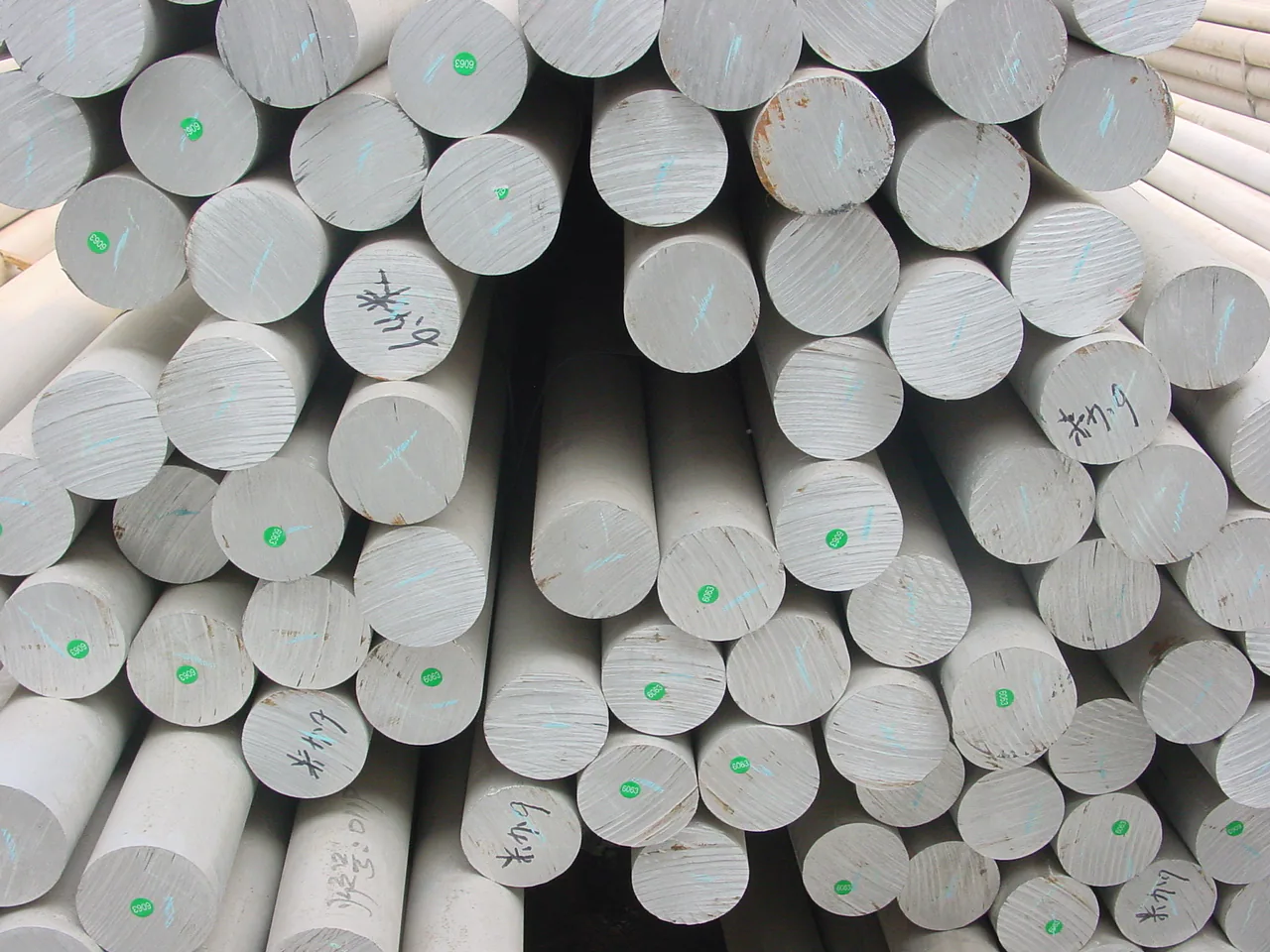
Steel, stainless steel or plastic: that sounds clear, but an order often requires more information. Consider the precise material quality, the applicable standard and the form in which the material is supplied. With metal, the required delivery condition and the required processing dimensions can also be important. With plastic, for example, it concerns the correct type, color and composition.
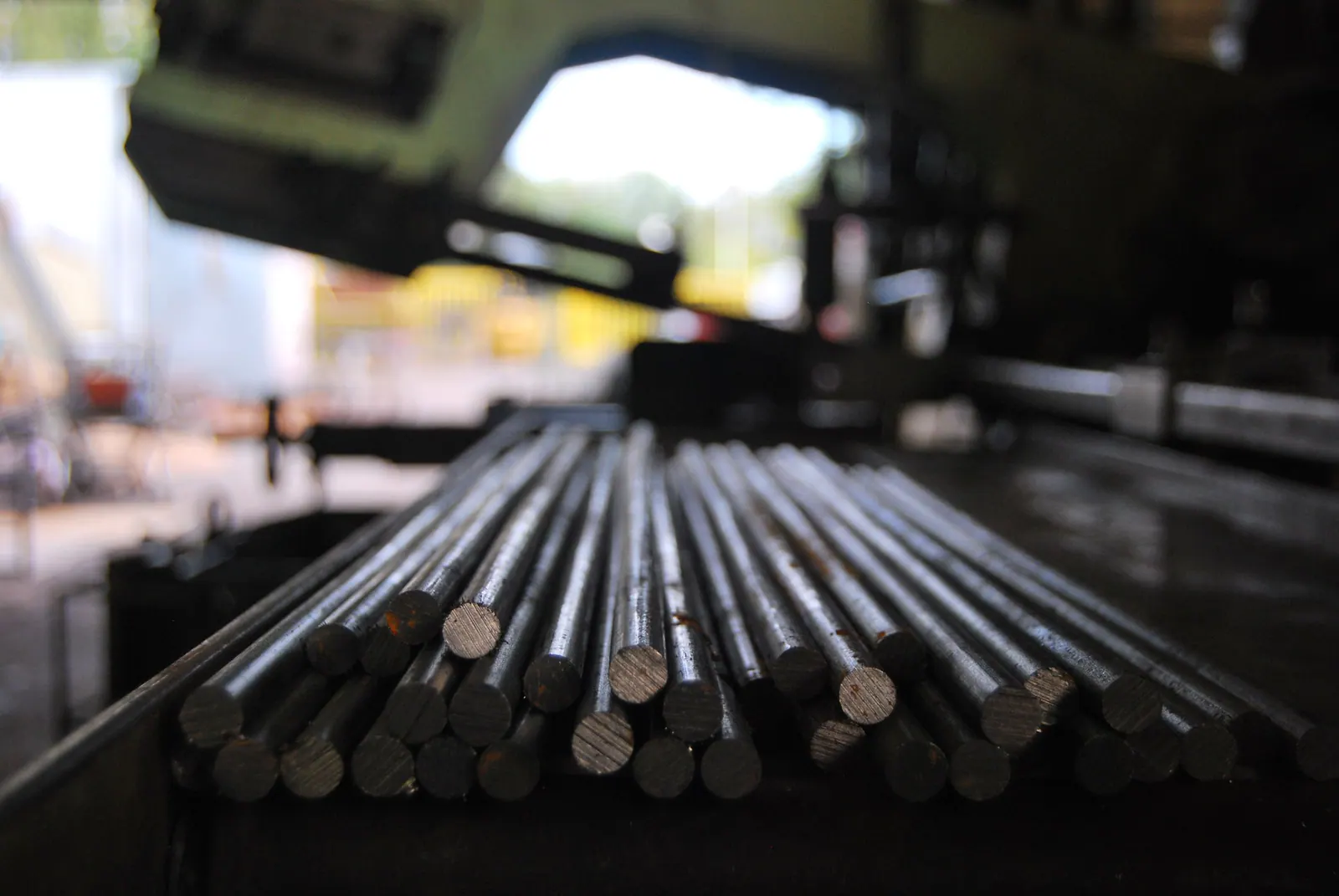
We compare the delivery with your order. This may involve rods, plates and profiles, but also casting parts, forging parts, plastic parts and purchased parts for assembly. For example, we discuss incorrect execution before any time has been invested in machining, finishing or assembly.
With CNC milling in China this starts with starting material that matches the drawing. At aluminum extrusion profiles we look at the agreed version and material data. And for assembly in China the various manufacturing parts and purchased components must also match.
These checks form the start of the process. The dimensions of the end product and the final inspection have their own place in the inspection plan.
It must be clear which material belongs to which documents. That is why we agree in advance which information we need for a delivery. For example, the order or article number, the material description, the supplier and a batch or melt number. How extensively we record this depends on your product and the desired traceability.
Do you need material certificates? We will then include the desired document type and the time of delivery in the application. We check whether the data matches the order. A certificate helps to assess the material, but does not automatically tell everything about the final part. This may also require other checks.
If material is sawn, divided or re-delivered, the original marking may disappear. We therefore discuss how the link with the party data is maintained. A critical part may require more extensive registration than a standard product.
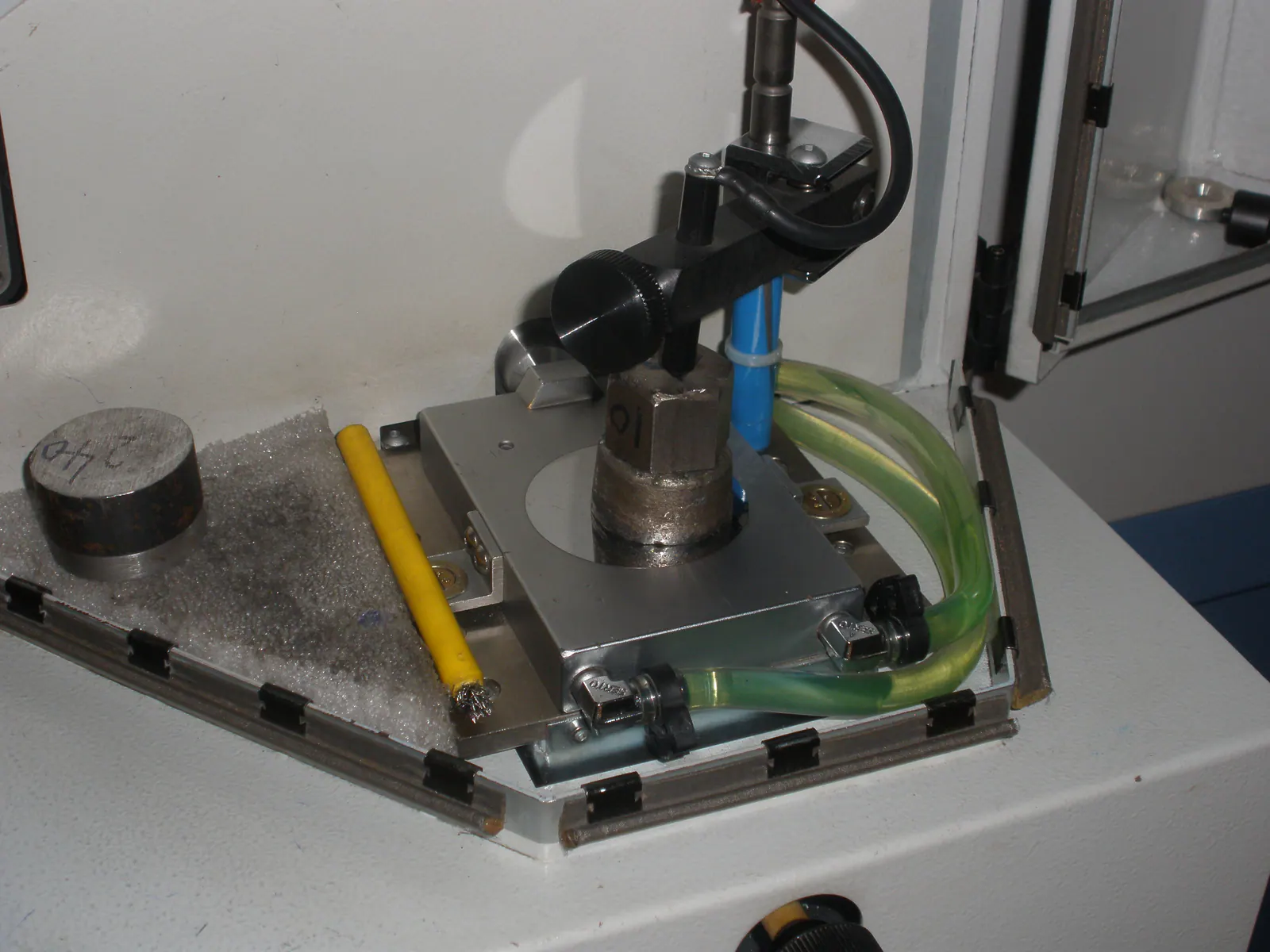
Sometimes you want to know more about a certain material property. Then we can discuss specific laboratory research. We determine in advance what needs to be investigated and which test method is appropriate. A photo or visual inspection alone does not always provide the answer.

Collect material, drawing and documents.

Determine characteristics, method and scope.

Check identity, condition and implementation.

Record the party involved and follow-up action.

Connect processing and batch data.
Not every part requires the same approach. For example, upon arrival we can look at quantities, item number, revision, packaging and visible damage. Then come the points that are important for the next operation or assembly, such as a starting size, thread, fit or the correct design of a purchased part.
We agree in advance what we check and how. Which points are checked with each delivery, where does a sample fit and what must be checked on each product? We tailor this to the product risk and your wishes. We also determine the assessment limits. A sample means that part of the batch is examined, not that each part is checked separately.
An appropriate method is required for each check. We agree on how the results are recorded and when we report an deviation. If you would like to have the measured dimensions recorded, we can agree on measurement reports. Determining the material identity requires a different substantiation than just measuring dimensions.
We plan the check at a logical time. For example, we prefer to discuss a problem with a purchased part before it is installed or finished. In this way, the entry inspection is connected to the production route and the further quality inspection.
If a delivery deviates, it must be clear what the next step is. We therefore agree on how the party involved remains recognizable and who decides whether the material may be used. This way, an unclear delivery does not go unnoticed to production or assembly.
When a report is received, we collect the information necessary to proceed: the item, the batch and what deviates from the agreement. Where it helps, we add photos, measurements or document information. We also make it clear whether information is missing or whether an deviation has really been identified.
The solution depends on the situation. Sometimes additional documents or an additional check are sufficient. In other cases, parts need to be sorted, repaired or replaced. We will only use a different material or a different design after this has been discussed and recorded. If the decision has consequences for the planning, we will take this into account.
The agreed audit results remain with the order. This makes a repeat order clearer: the accepted version and previous points of interest can be found. This information also helps with coordination of purchasing parts, operations and complete assemblies.
Also view the options for outsource production to China. Would you like to discuss your application? Send your drawing, material specification and quantities, together with the desired documents and checks.
We start with your current drawing, the desired material quality and the shape of the product. Are there differences between drawings, order lists or samples? Then we first agree on which information is leading.
We look at which raw materials and parts are needed. We include a prescribed brand, type or version in the order. We will discuss any alternatives in advance.
Together we determine which certificates or declarations are required. We agree on how these remain part of the correct delivery and when the documents must be available.
We record what is checked, with what method and where the boundaries are. We also agree on whether an inspection will take place per delivery, with a sample or on each product.
Upon receipt, we look at recognisability, completeness and the agreed visible characteristics. Damage or ambiguities to the packaging are recorded before the material is further distributed or processed.
The agreed checks are carried out and the results are linked to the correct party. We choose an appropriate approach for material data, dimensions and specific research questions.
If in doubt, it remains clear which material is involved. We prevent confusion with released parties and discuss what information or research is still needed.
We discuss whether additional documents, sorting, repair or replacement are needed and record the decision. A different material or a different design will not be used without consultation.
After release, the material can continue to the next processing or assembly step. We agree on how important batch data will be retained when sawing, dividing or re-delivering.
We save the agreed inspection results with the order. For the next order, we will take previous points of attention into account and examine whether inspection or supplier agreements need to be adjusted.
With material inspection we look at the requested material data and properties. Incoming inspection also includes other points, such as quantities, packaging, documents and the correct execution of received parts. We agree exactly what we check per order.
No. When applying, please indicate which documents you need and which document type it concerns. We discuss what is available and how the documents are linked to the correct material batch.
We will agree on this in advance. Some points are examined per delivery, others with a sample or on each product. The audit plan states which approach and reporting are appropriate for your assignment.
Yes. For example, we can look at the correct plastic variant, a prescribed purchasing part, the revision, completeness or an important connection size. Tell us which features are important for further processing or assembly.
We then keep the party involved recognizable and discuss what is needed before the material can be processed further. This may involve additional documents, targeted research or replacement. We record the agreed next step.
Technical request
Upload a PDF, DWG or STEP/STP file and receive a detailed response about manufacturability, the production route and your request for quotation.