High-pressure die casting of aluminium and zinc · Production in China

High-pressure die casting in China

Do you want to have aluminium, zinc or magnesium parts high-pressure cast in China? Aluminium is a popular material for light, strong parts. For smaller precision parts, a zinc alloy such as Zamak can be a better fit. In high-pressure die casting, liquid metal is introduced into a steel die under high pressure. This makes thin walls, fine details and short cycle times possible for larger series.

TOS selects a production partner based on alloy, closing force, part dimensions, die experience and desired finishing. We organize die production, trial series, CNC machining, surface treatment, inspection and all-in delivery. Also read more about high pressure casting.

Aluminium onderdeel direct uit de hogedrukgietmachine met aangietingen zichtbaar.

High-pressure die casting starts with product and tool design

Geometry and wall thickness

We assess draft directions, ribs, radii, undercuts and wall thicknesses for stable die filling.

Alloy and application

We select the partner based on the required aluminium, zinc or magnesium alloy and the properties required by your application.

Die and slides

Die design, cores, slides, cooling and ejection are matched to quantities and part geometry.

Porosity and finishing

Machined surfaces, seals and leakage requirements are recorded early because they influence the casting concept.

Series production all-in

Tooling, casting, trimming, machining, finishing, inspection and transport form one delivery route.

Gestapelde aluminium spuitgietonderdelen na productie bij TOS, gereed voor nabehandeling of montage

Tooling investment and cycle time determine unit economics

high-pressure die casting requires an accurate steel die and a suitable machine. As a result, the start-up costs are higher, but for larger quantities short cycle times and limited reworking can result in a favorable unit price. The number of cavities, die life, trim work and scrap affect the result.

TOS compares the complete route: tools, test series, production, CNC machining, surface treatment, control and delivery.

For tool preparation, read more about casting molds in China: from die concept and test casting to acceptance and management for repeat orders.

China can be interesting when die production and larger series need to be combined efficiently. The advantage mainly arises with stable designs and plannable quantities. For small or highly variable series, die casting, sand casting or machining may be a better fit.

We therefore not only assess the casting price, but also die costs, maintenance, stock, transport and import. In the all-in quote you will see the costs for delivery to your location.

Precisie aluminium onderdeel uit spuitgietproces, vervaardigd via die casting bij TOS

From die design to stable series production

1. Assess product and quantities

Geometry, alloy, annual volume and functional characteristics determine whether high-pressure die casting is suitable.

2. Select Chinese casting partner

We choose based on machine park, closing force, die construction, alloy and follow-up processes.

3. Develop die and casting concept

Sprucing, bleeding, cooling, sliding and ejection are coordinated.

4. Pilot series and release

First parts are reviewed for dimensions, surface, material and functional requirements.

5. Series, finishing and delivery

Production, trimming, machining, coating, inspection, packaging and transport are planned.
Aluminium or Zamak: choice of material based on the application

Aluminium combines low weight with a favorable strength-to-weight ratio, corrosion resistance and good heat conduction. It is therefore suitable for housings, machine parts, cooling components and larger structural casting parts. A point of attention is the higher casting temperature: this places a greater burden on the die and very small, sharp details can sometimes be better made in a zinc alloy.

Zamak is a family of zinc alloys with good fluidity. The material allows fine details, small wall thicknesses, a smooth surface and high dimensional stability. The lower casting temperature can also be beneficial for cycle time and die life. On the other hand, Zamak is heavier and less suitable for applications with a high operating temperature or where the lowest possible product weight is decisive.

The choice is therefore not only made on the basis of material price. Product dimensions, load, operating temperature, weight, surface requirements, tolerances and batch size determine which alloy fits best.

After casting, sprues and burrs are removed. Bores, sealing surfaces and precise fits can be CNC machined. Subsequently, blasting, drumming, powder coating, wet painting, galvanic finishing or other surface treatments are possible.

Porosity requires extra attention in leak-tight or heavily processed parts. The chosen control and acceptance criteria are recorded before production.

With high-pressure die casting, the die investment is relatively high. Therefore, TOS can support with engineering and product optimization before release. We assess, among other things, even wall thicknesses, ribs, releases, partial surfaces, slides and integrated functions. This reduces the risk of costly die changes.

When is high-pressure die casting appropriate in China?

For example, we organize high-pressure die casting in China

The customer drawing, the 3D model, the alloy, quantities and functional requirements form the basis. We then select a suitable Chinese high-pressure foundry and coordinate the die, test series, production, finishing, control and delivery.

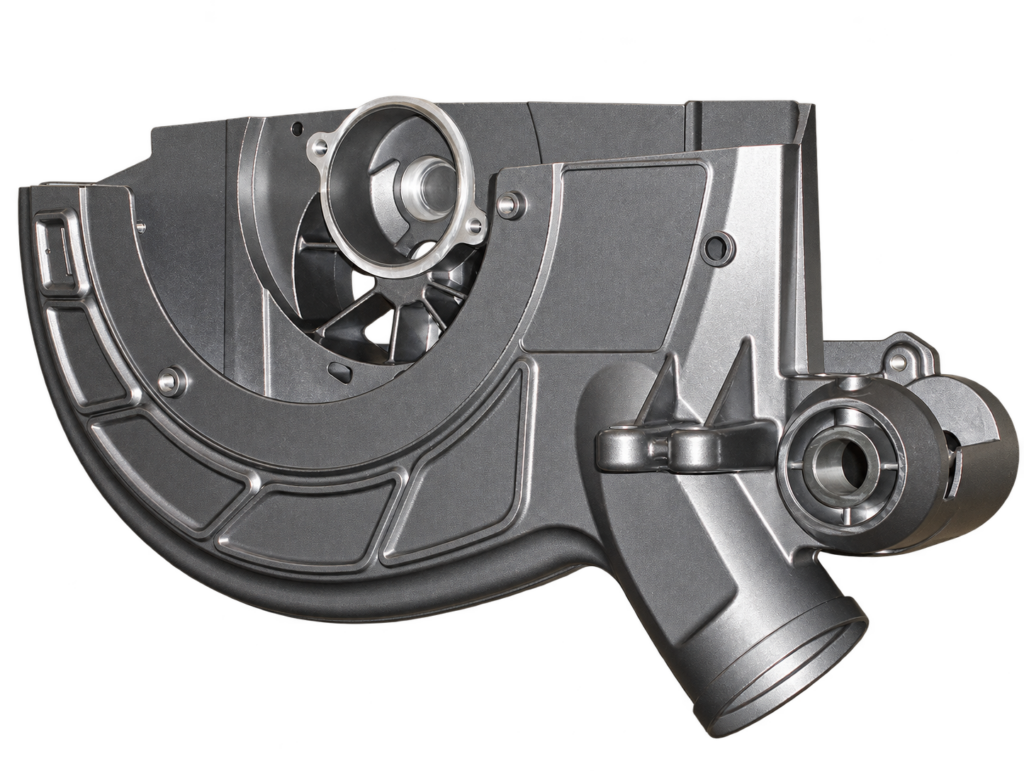
Groot aluminium hogedrukgietdeel vrijstaand op transparante achtergrond

Supply drawing, STEP file, starting volume and expected annual volume. The drawing remains leading for dimensioning and control.

Record alloy, surface, strength, leakage requirements and operating environment. These requirements influence the casting process and finishing.

We select based on closing force, shot weight, die experience, alloy, automation and available follow-up processes.

The number of cavities, slides, cores and ejectors is tailored to product shape, quantities and desired cycle time.

Spring, overflow, vacuum, venting and cooling are reviewed to control fill, porosity and dimensional stability.

After production of the die, sampling follows. Adjustments will be processed before the pilot series is released.

First parts are measured and, where necessary, tested for leakage, fit or other functions according to pre-agreed criteria.

Springs are removed. Parts can be CNC machined, tumbled, blasted, coated or assembled.

During series production, agreed sizes and process characteristics are monitored. Reporting and traceability are determined per assignment.

We coordinate packaging and transport and record how the die is stored, maintained and used for repeat orders.

Examples of high-pressure die casting parts and finishing

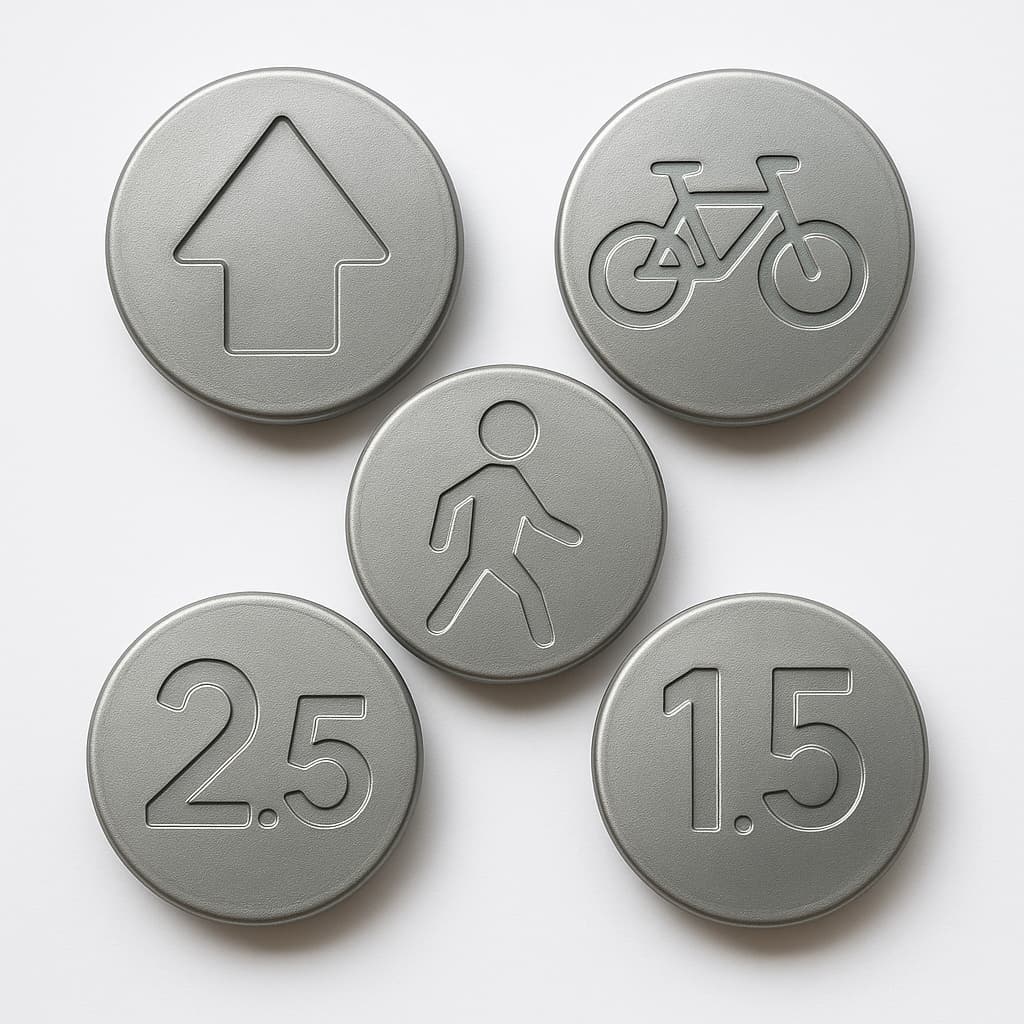
Custom Stainless Steel Wedge Nails: Smart Design for Lower Mold Costs

For a regular customer, we produced a series of stainless steel road nails used to mark walking and cycling routes.....

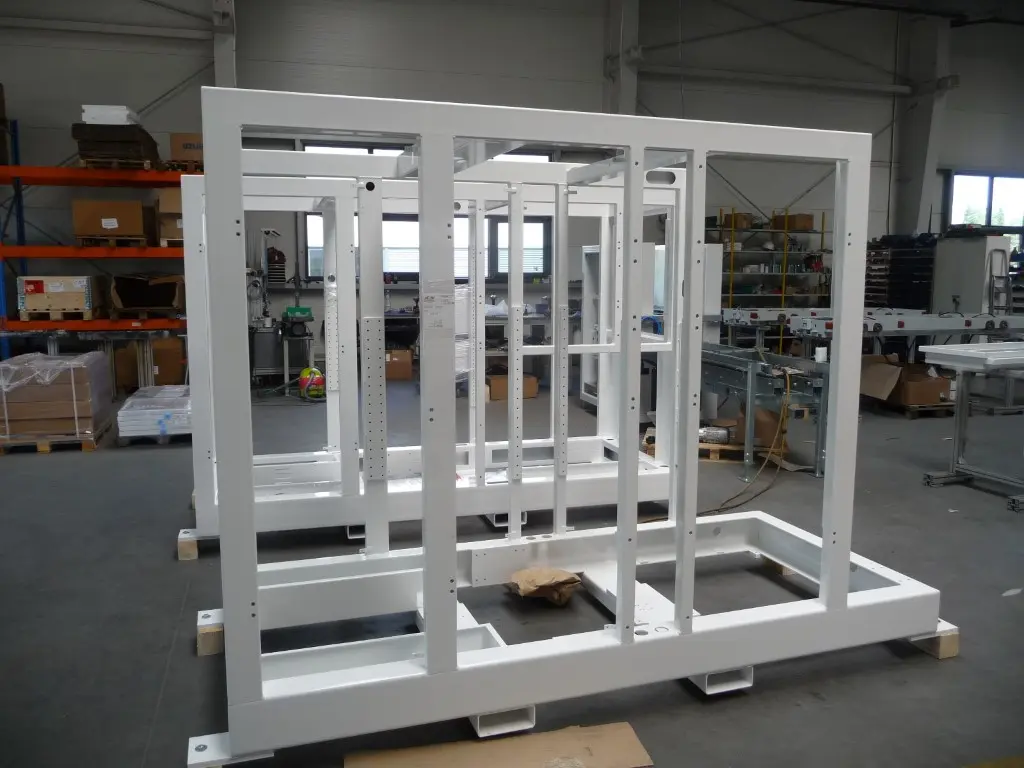
Custom Machine Frames for Packaging Lines: Welded, Fully Assembled, and Powder-Coated

For a client in the packaging industry, we produce complete, custom-made machine frames that serve as the foundation for high-quality....

Frequently asked questions about high-pressure die casting in China

Which metals can be high-pressure cast?

Commonly used materials are aluminium, zinc and magnesium alloys. Zamak belongs to the zinc alloys. The final choice depends on weight, strength, detailing, operating temperature, surface requirements and available production capacity.

The die investment makes the technology especially interesting for larger or long-term series. The turning point varies per product.

That is possible, but porosity, wall thickness, die filling and processing are decisive. Leakage requirements and test method must be determined in advance.

Trimming, CNC machining, drumming, blasting, coating, lacquering, impregnation and assembly are possible, depending on the product and partner.

Send drawing, STEP file, alloy, quantities, annual volume and functional requirements, including critical dimensions and finishing.