
Do you need an injection mould made in China for repeat plastic production? TOS aligns the tooling design with your product, selected plastic and intended volumes. Assessment starts with the part’s function and the approval criteria for first articles.
A mould is an investment across multiple orders. We therefore agree design, trials, corrections, maintenance, ownership and use in advance. You retain one Dutch point of contact for technical coordination, progress and the agreed delivery.
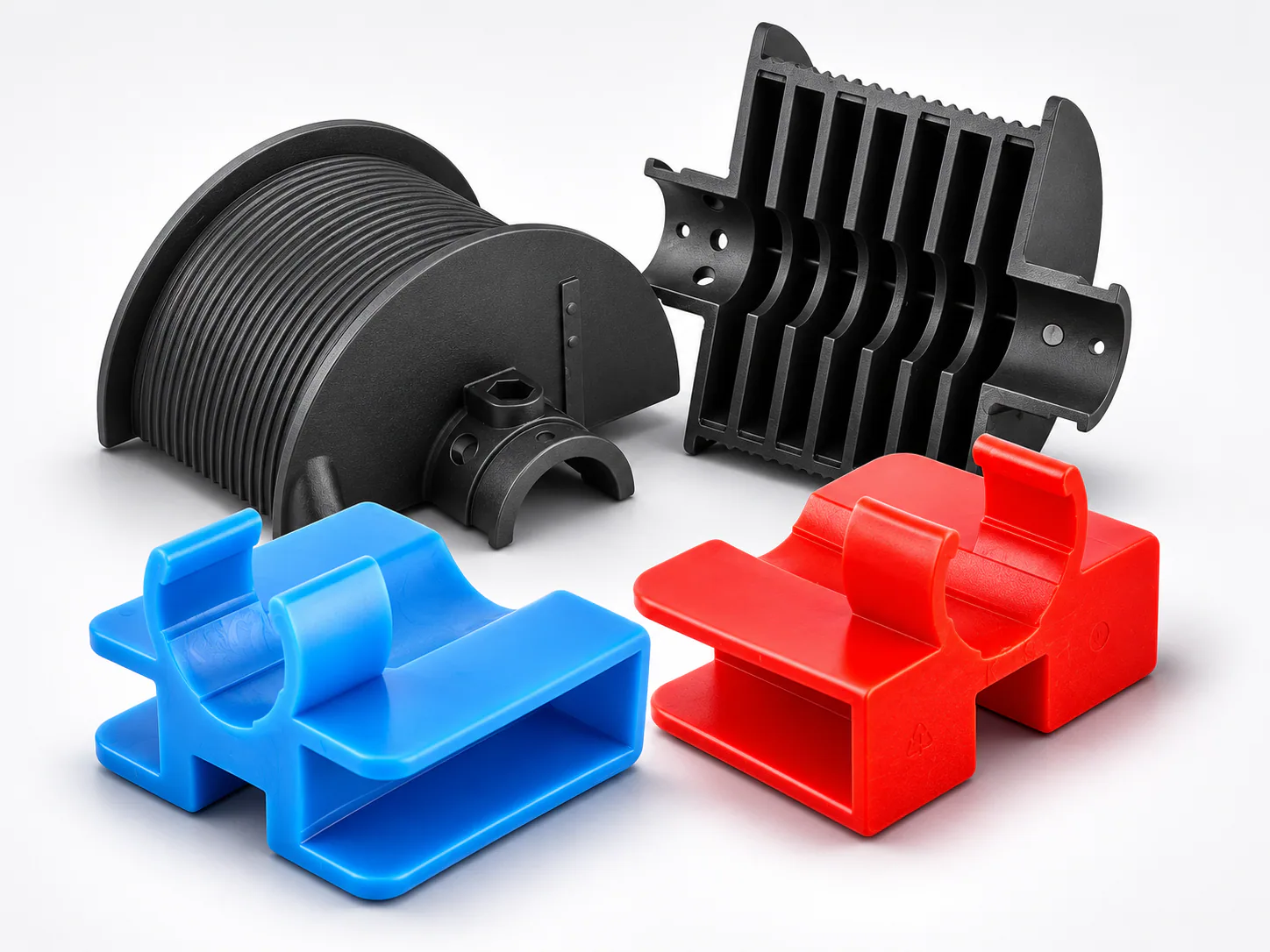

Material, shape, visible surfaces and critical requirements as a starting point.

Assess cavities, runner system, cooling and ejection together.

Define in advance which samples and results are required.

Discuss ownership, location, management and changes.

Technical coordination and progress via TOS.
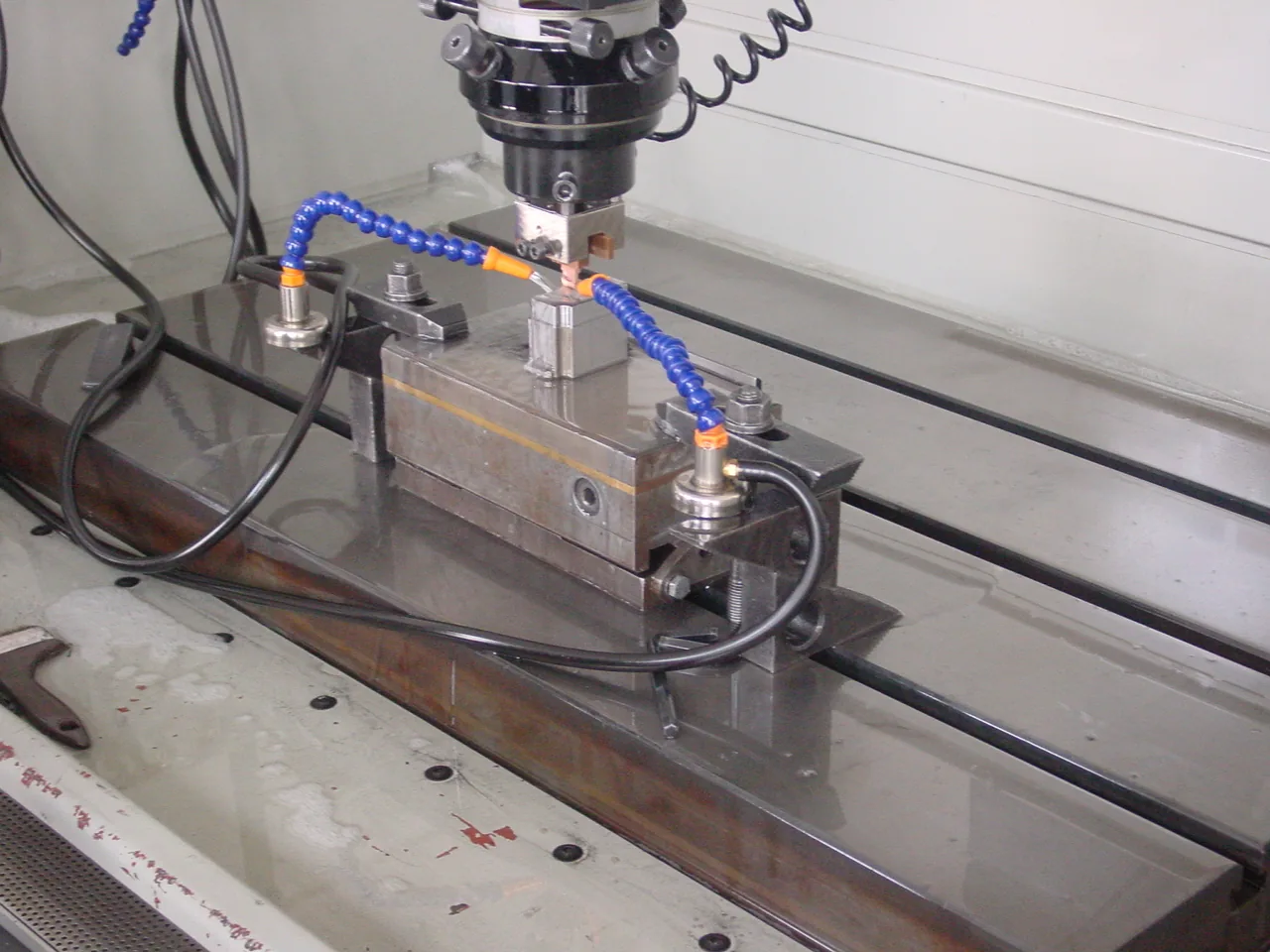
The outer shape of a part is only one starting point for an injection mould. Wall thicknesses, ribs, mountings, visible surfaces and the way in which the product comes out of the mould also count. For example, a part that is difficult to release may require sliding or other moving mould parts.
During the assessment of manufacturability, also known as DFM, we coordinate the product shape and tool choices. Consider discharge direction, dividing seam, sprue location and the places where ejectors are allowed to mark. Design adjustments will be discussed with you before the relevant version is released. Also read about product optimization when preparing a manufacturable part.
The exact plastic quality must be known in time. Shrinkage, any fillers and the usage requirements influence the choices for product and tools. A material change after the mould has been built may require new assessment and adjustments.
This page focuses on the tools. For the consistency with product price, repeat orders and complete delivery, you can find more at plastic injection moulding in China.
One cavity, multiple cavities or a different structure? The number of mould cavities is reviewed based on product, expected volume, available machine and desired repetition. More cavities require a different investment and process coordination. A cold sprue or hot runner is also chosen based on plastic, product shape, use of materials and maintenance.
In addition, record the expected useful life, the intended number of production runs and the desired availability. These principles help with the choice of tool material, inserts and maintenance. There is no fixed lifespan that applies to every mould and plastic.
Therefore, compare quotes on the same basis: design assessment, mould construction, test injections, samples, agreed corrections and documentation. State what is included and what is budgeted separately. A low tool price alone says little about the costs of the final series.
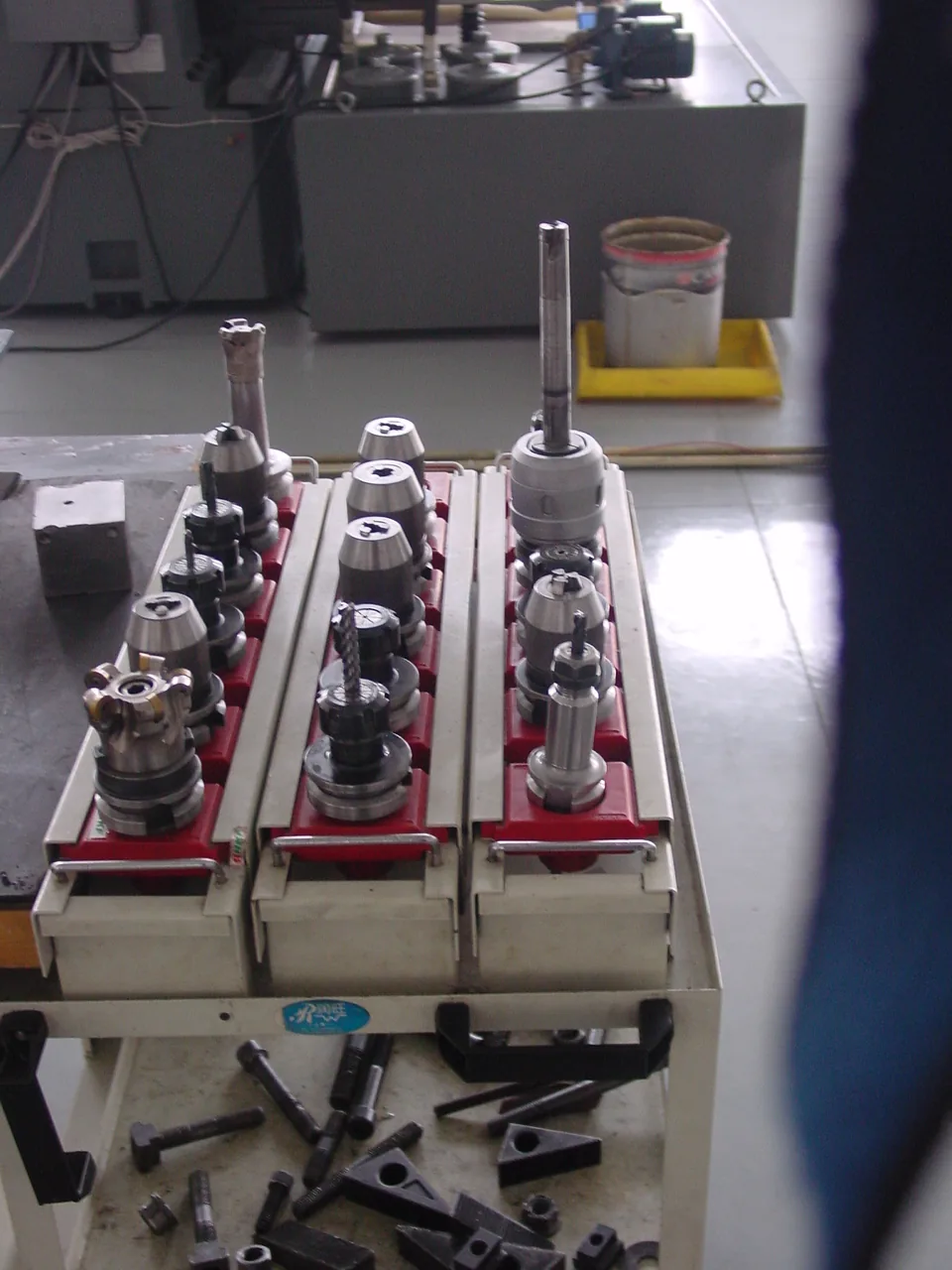

Collect model, drawing, plastic quality and expected volume.

Assess feasibility, tool concept and job scope.

After approval, build according to the agreed implementation.

Assess samples and coordinate necessary corrections.

Record acceptance, maintenance and commitment to the series.
An initial good-looking product does not mean full release. Before the mould trials, agree on which characteristics will be reviewed: critical dimensions, fit, visual quality, color and function. With multiple cavities, identification per cavity may be necessary to compare the results.
The test series should be reviewed with the agreed plastic quality and recorded conditions. Filling, cooling, unloading and adjustment of the injection moulding machine work together. When samples differ, it is reviewed whether the cause lies in the product design, the mould, the material or the process setting. Correction and new assessment are then coordinated.
Link the agreed quality inspection to the drawing revision and the purpose of the product. For functional sizes, a measurement report can be part of the release. Where parts fit together, we also assess the assembly with counterparts where agreed.
Record which samples, measurement results and any process data are kept as reference. Finish or texture that is difficult to change later deserves a clear release moment. The agreements for mould acceptance and for the start of the series are described separately.
Discuss who will own the mould, where it will be stored and for which products and client the tool may be used. Also record identification, maintenance, repair, replacement parts and authorization for changes. These points are part of the quotation and order discussion.
Does the mould remain with the production partner or does it have to be run elsewhere? A possible transfer requires more than transport. Machine connection, dimensions, ejection, cooling and operation of any hot runner system must suit the receiving production environment. Availability of drawings, parts lists and relevant tool and test data is agreed in advance. Transfer and usability are reviewed per request.
With production via China, the mould fits the complete end product. If you also need inserts, metal parts or assembly, please include the requirements for assembly in the product specification. After all, fastenings and fits can have consequences for the mould cavity and inspection.
The total consideration includes tools, test rounds, any adjustments, maintenance and subsequent deliveries. Also view the overview outsourcing production to China. The photos show examples of molded parts, tool processing and storage; the specific mould design is determined for your product.
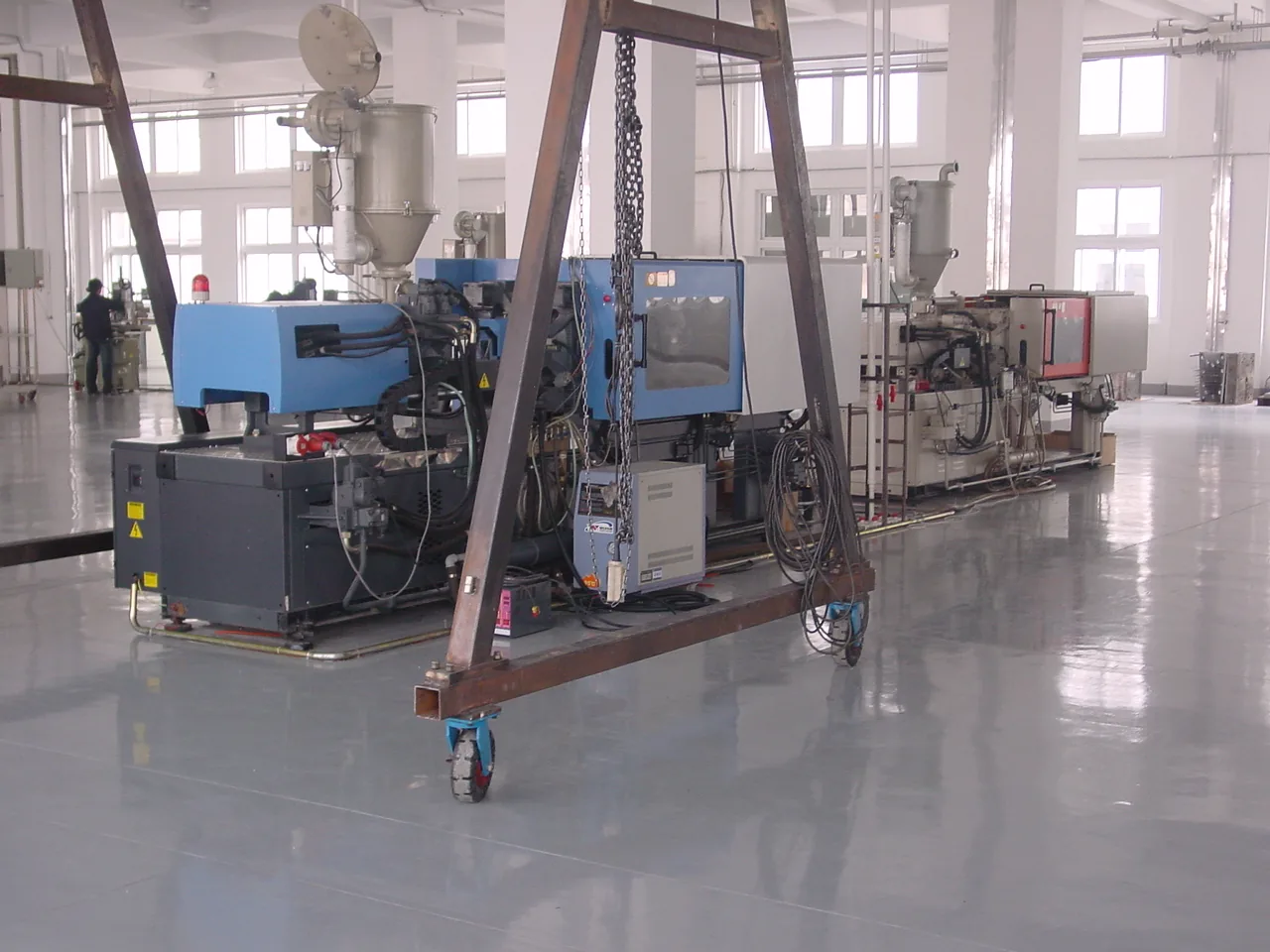
Collect a current 3D model and a 2D drawing with revision, application and critical requirements. Specify quantities per order and expected recurrence. Name visible surfaces, counterparts and the desired delivery condition.
Record the exact plastic quality, color, any additives and conditions of use. Indicate special material requirements and necessary declarations before the product and mould design is released.
Assess wall construction, release, dividing seam, fixings and accessible product details. Where an initial functional part helps, CNC machining of plastics in China can be explored as another route. A machined test part does not replace an assessment of the final injection moulding version.
Coordinating mould cavities, sprue, cooling, ejection and any moving parts to the product and production. Discuss tool materials, maintenance and the chosen production location before construction starts.
Record the scope of the assignment: design, construction, test rounds, corrections, samples and documentation. Discuss ownership, storage, use and possible transfer so that expectations regarding the tool investment are clear.
After approval of the agreed implementation, tool construction begins. Progress is linked to agreed moments and the current revision. Design changes are discussed for their impact on costs, schedule and assessment.
Carry out the agreed mould trials and record relevant data with the samples. Assess the manufactured products based on the predetermined sizes, finish, fit and function.
Record discrepancies and their proposed resolution. After an agreed adjustment, the necessary new test or inspection follows. Agree which samples and results form the basis for acceptance and series start.
Check whether the agreed tool data, identification and reference samples are available. Record maintenance, storage, changes and the approach to wear or repair for subsequent production runs.
When used by the production partner, the released tools correspond to the agreed series. In the event of an agreed transfer, packaging, protection, documentation and the receiving machine environment are coordinated in advance.
The price depends, among other things, on product dimensions, complexity, number of mould cavities, moving mould parts, sprue system and desired useful life. Design review, mould trials, corrections and documentation also count. TOS discusses the quotation on the basis of one clear product specification and order size.
This is reviewed in advance. The receiving machine and production environment impose requirements on dimensions, mounting, ejection and connections, among other things. Data, components and controls of any hot runner system must also be connected. Therefore, discuss a proposed transfer before mould construction.
Record ownership, use, storage, maintenance and any transfer in writing with the assignment. Make a distinction between the physical matrix, associated data and what actually needs to be transferred. TOS discusses these principles per project; payment for a tool item alone does not describe all usage and transfer agreements.
A schedule depends on product design, available data, tool complexity and required testing and correction rounds. TOS tailors the planning to concrete assessment moments. In addition to construction, allow time for sample assessment and any adjustments before the series begins.
Send the current 3D model, a 2D drawing with critical dimensions, the exact plastic quality, quantities and usage requirements. Specify visible surfaces, color, counterparts and desired delivery. Also state whether the mould will remain with the production partner or is intended for use at another location.
Technical request
Upload a PDF, DWG or STEP/STP file and receive a detailed response about manufacturability, the production route and your request for quotation.