
Considering repeat production of plastic parts in China? For plastic injection moulding in China, TOS first assesses how mould investment, required volumes and the complete delivery route fit together. Your drawings and application requirements are the starting point.
We define the material and product details before mould construction, how samples are approved and what is needed for repeat orders. Inserts, assembly with other parts, packaging and transport can also be included.

We assess the desired properties, plastic quality, color and any fillers based on the usage requirements.

Wall thicknesses, draft, visible surfaces and functional details are reviewed before the mould is built.

Costs, ownership, maintenance, storage and possible mould transfer are agreed in advance.

Test products are tested for agreed dimensions, appearance, fit and function before release of the series.

TOS tailors injection moulding to inserts, machining, assembly, inspection, packaging and transport.
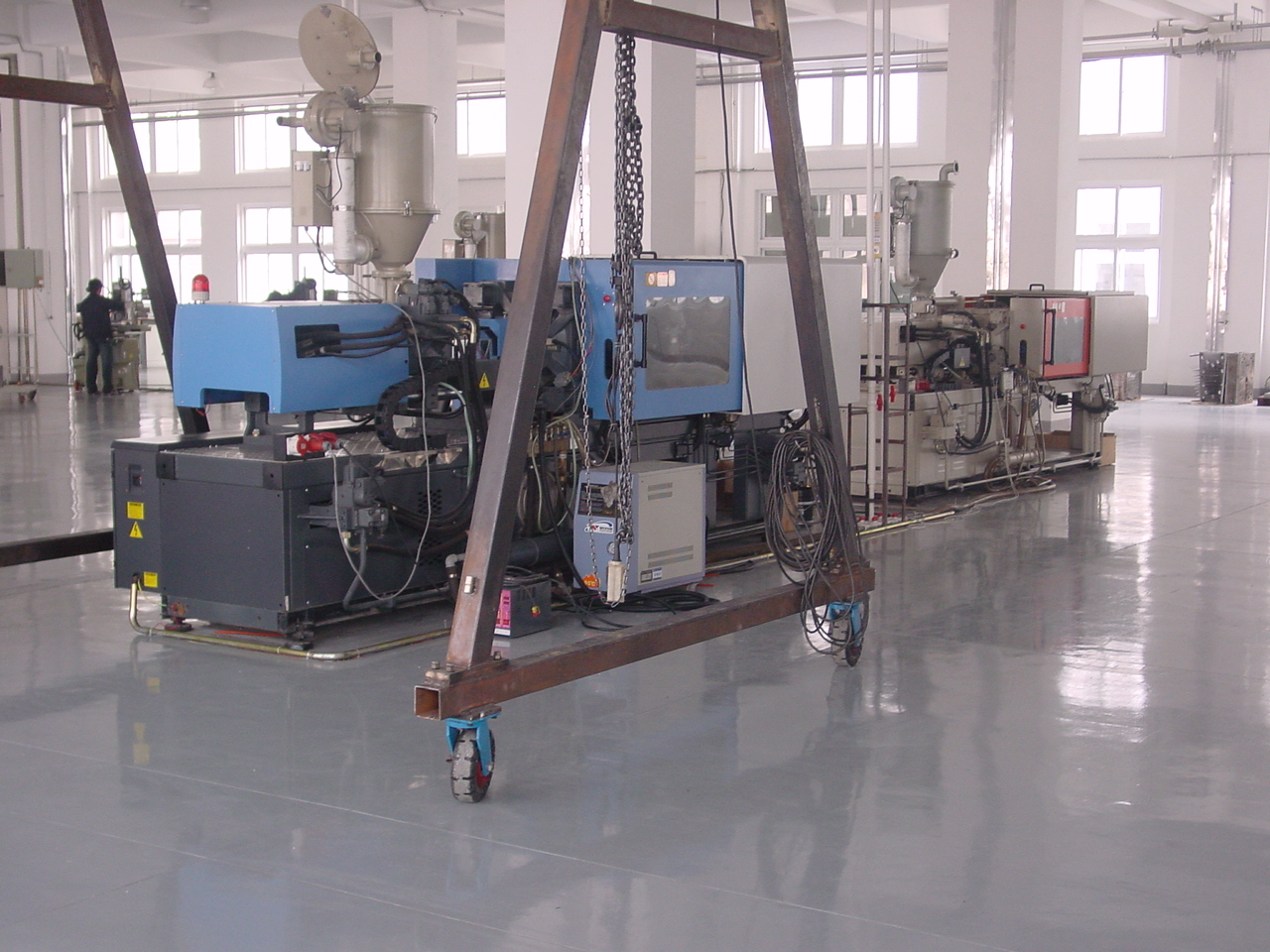
An injection mold determines a large part of the product shape. That is why production in China is mainly a consideration of the expected series of orders: does the design remain sufficiently stable, is the volume substantiated and does the preparation fit in with your planning? TOS looks at the investment over the intended project and the repeat series.
Request a quote based on a fixed drawing revision, material description and expected order distribution. A price for a separate product can only be used if it is clear what is included in tools, mold trials, corrections, inspection, assembly and packaging. Also discuss transport and the desired delivery times.
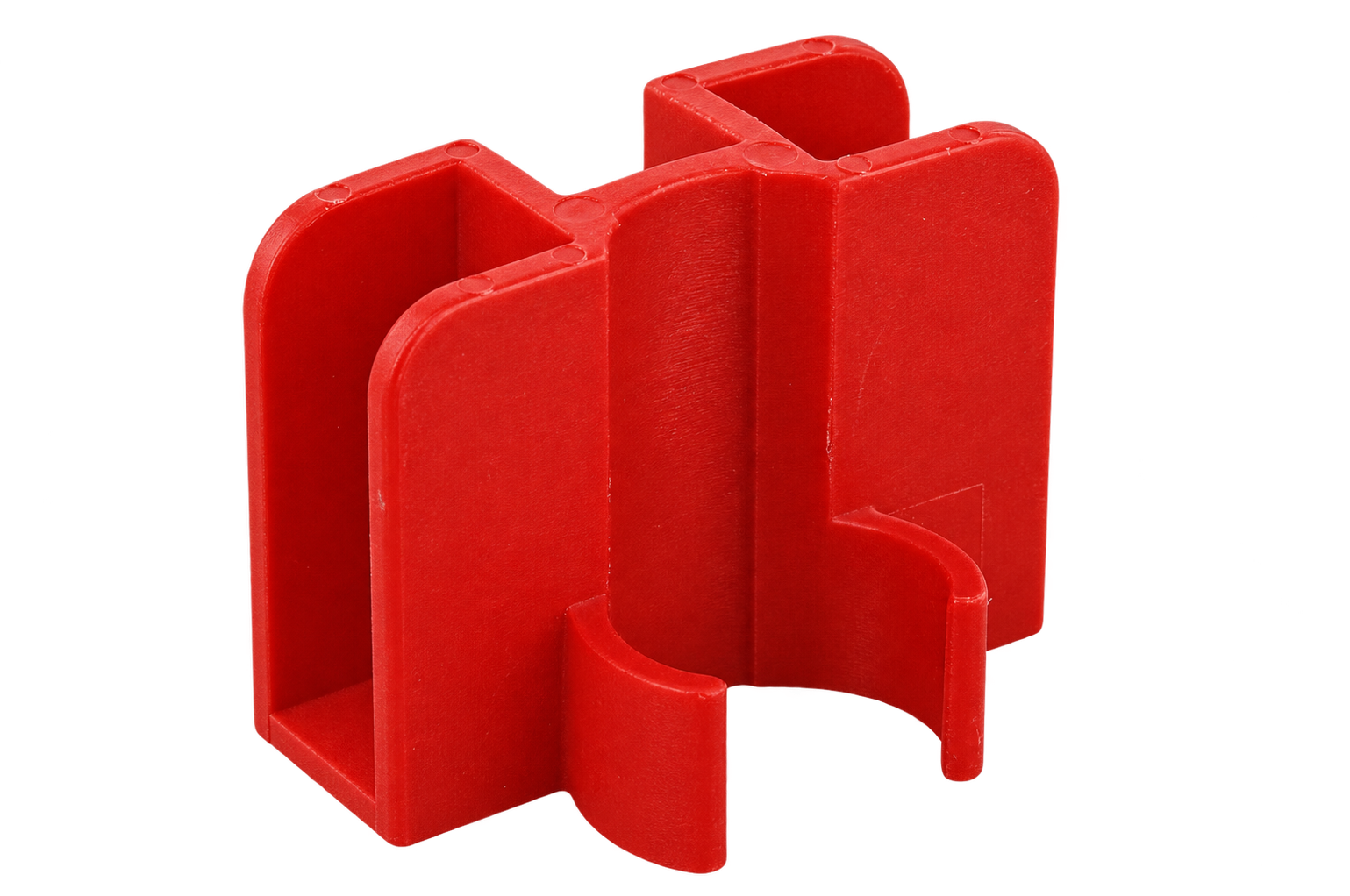
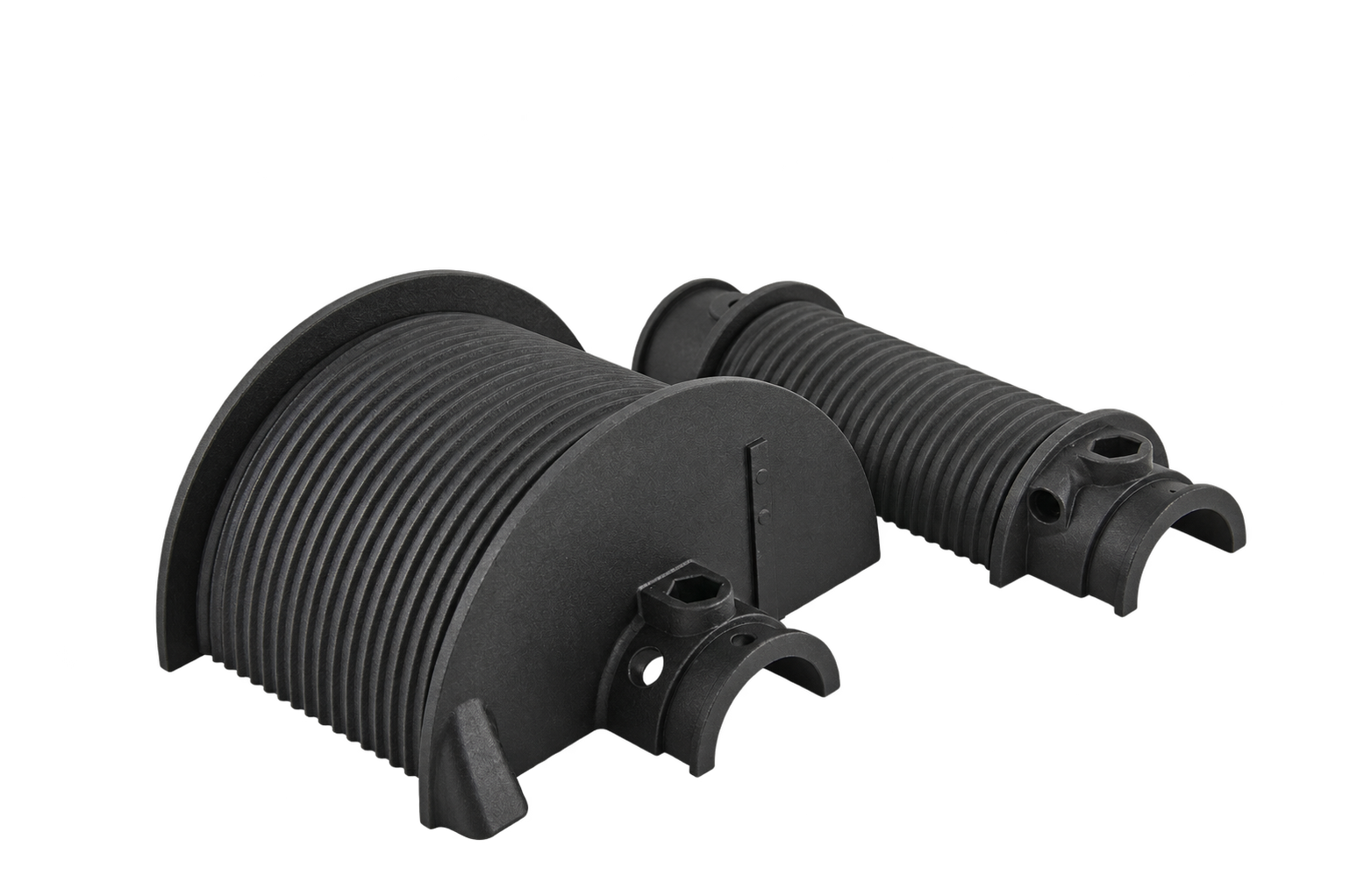
Housings, clips, holders and technical molded parts can be candidates. For a product that changes often, a prototype or machined plastic part can first provide more insight. A general explanation of the technique can be found at plastic injection molding; This page focuses on organizing the production route via China.
Would you like to compare the route without an injection mould? View CNC machining of plastics in China to consider material, quantities, dimensional stability and delivery.
For the tooling process, read more about injection molds in China: from manufacturability and mold construction to test injection, maintenance and agreements on ownership and use.
Resolve product changes before the series. Have it recorded in advance which fit, visible surfaces and function will be reviewed for the first product. An adjustment to a clip, recess or connection size can have consequences for the mould, test products and planning.
For composite products, the fit with counterparts is also included in that assessment. Therefore, please include the accompanying drawing or a reference part where possible. Both the outer shape and connection and attachment points require attention.

You share drawings, 3D model, usage requirements, material requirements, quantities and desired delivery condition.

Product geometry, material, tool structure and total project costs are coordinated.

After approval, mould construction and test injection follow for assessment of the product and process.

After agreed corrections and approval, the series follows according to established specifications.

machining, assembly, final inspection, packaging and logistics are linked to the end product.
Material selection. PP, ABS, PA, POM and PC are examples of possible thermoplastics. The exact quality, possible reinforcement, color and additives must match the load, temperature, environment and function. A material abbreviation alone is insufficient for a reproducible order. Replacements are coordinated in advance.
Designs for injection moulding. Wall thicknesses, transitions, ribs, undercuts and draft angles influence manufacturability. Discuss where the mould parts and where sprue and ejection may be visible. Assess functional fit and the desired appearance before mould construction is released.
Shrinkage and final dimensions. Material and process influence the dimensions. Record critical dimensions, measurement references and the condition during measurement. There is no universal tolerance for all plastics and geometries. A prototype does not automatically prove that a series product from a mould has the same properties.
Visual quality and color. Indicate visible surfaces, structure, gloss and color reference. Agree on acceptance criteria for, for example, seams and visible process features on the basis of drawings and approved samples. A color code alone does not capture the full visual quality.
mould and continuity. Number of mould cavities, execution and maintenance are linked to product and volume. Make agreements about ownership, storage, overhauls, repairs and possible relocation of the tools. An existing mould cannot be used on every machine without assessment.
Check and documentation. Discuss the required dimensional check, assembly test, functional tests and material data. Requirements for fire behavior, food contact or other specific applications must be specified in advance; the feasibility and required substantiation are reviewed per application.
The best production route follows from the function of the end product. An enclosure may require inserts, fasteners or seals. Other parts are connected to metal parts or assembled into a module. TOS coordinates the parts list, fitting and assembly sequence before the series is released.
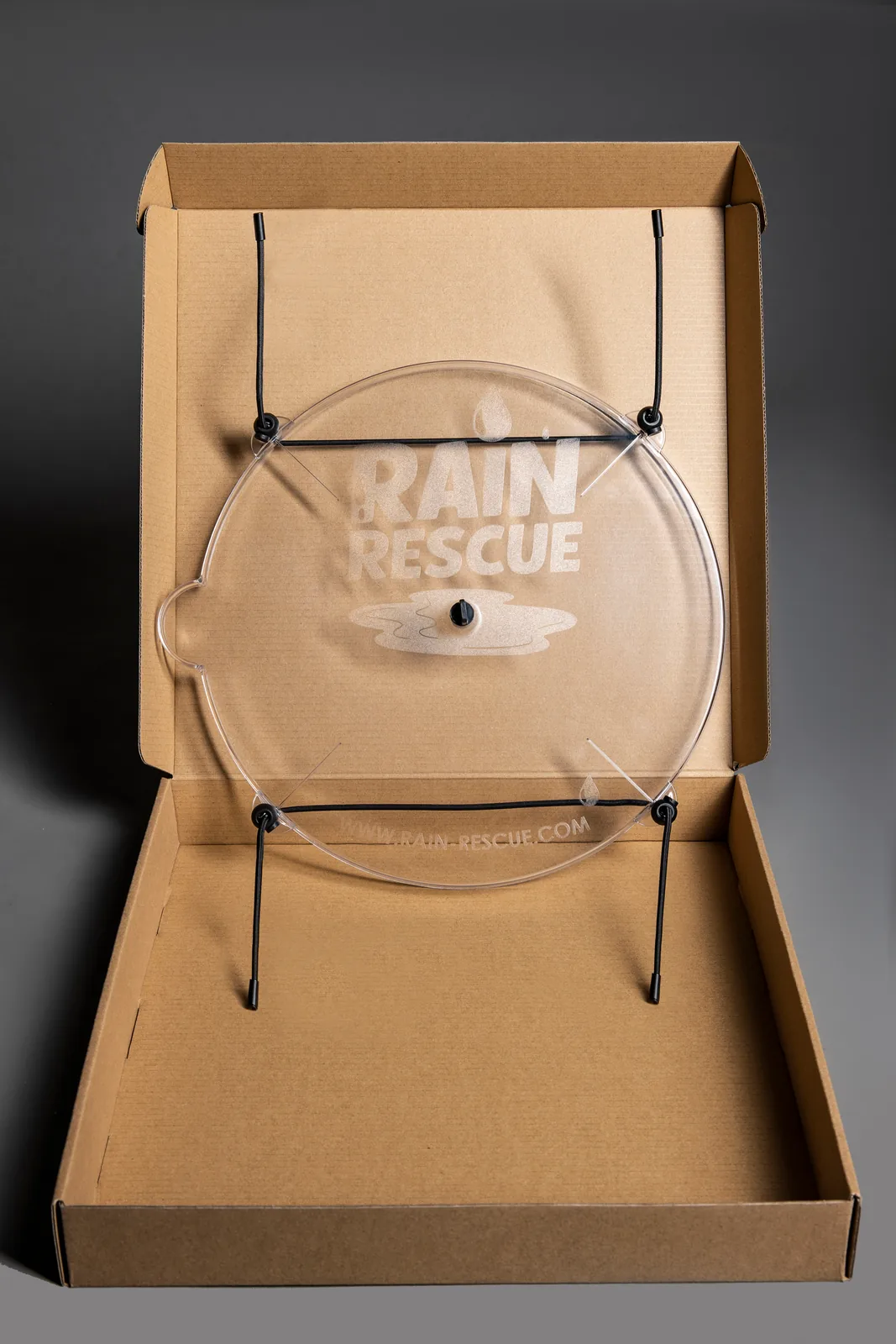
machining, printing or other finishing are only included to the extent that they suit the material and product. The packaging is also part of the agreed delivery status. The photo shows a transparent plastic product with mounting parts in a cardboard packaging. Agree on how visible surfaces, edges and protruding parts will be protected during storage and transport.
Also see assembly, quality inspection and the overview of outsource production to China. The complete cost picture includes tools, raw materials, correction rounds, inspection, failure agreements, packaging and transport.
The current 2D drawing and the 3D model form the basis. Indicate revision, application, quantities per order, expected annual volume, visible surfaces and desired delivery condition.
Material type, exact quality, color, any fillers and required properties are recorded. Availability and the required documentation are coordinated with the production partner.
The design is reviewed for feasibility: wall construction, discharge, undercuts, sprue, ejection and critical dimensions. Any product changes will first be submitted for approval.
mould structure, number of mould cavities and required facilities are linked to the product and the series. Costs, ownership, maintenance, storage and agreements for changes are recorded.
After approval, the mould is built. Progress and agreed inspection moments are coordinated; technical changes remain linked to the released revision.
Proefspuiten supplies the first products for assessment. Dimensions, appearance, fit and required function tests are tested against the previously agreed criteria. Corrections will be reviewed before the series.
After approval, material, product revision, reference samples and inspection agreements are recorded. The series is produced according to the released route. Changes require coordination.
Any inserts, machining, printing and assembly follow the agreed delivery status. The fit with metal parts, fasteners or seals is also reviewed where necessary.
Final inspection focuses on the agreed critical dimensions, visual quality, quantities and function. Requested reports and material data are collected according to the assignment.
Packaging prevents damage, deformation or confusion during storage and transport. Labelling, possible separation per variant and logistical delivery are tailored to your receipt and assembly.
There is no fixed minimum series for each product. mould costs, complexity, material, cycle time, volume and repeat orders together determine the decision. For a small initial need or a changing design, a different route may be more appropriate.
PP, ABS, PA, POM and PC, among others, can be reviewed. The right choice depends on application and product design. Record the exact quality, any reinforcement, color and required properties; the material name alone is not a product specification.
Yes, TOS can supervise mould construction and test injection as part of the application. First products are reviewed according to agreed criteria. The series will start after release and any agreed corrections. An existing mould first requires a technical assessment.
Yes, inserts, metal components, seals and fasteners can be part of the desired delivery condition. Spraying, later insertion and assembly are different routes. The feasibility and appropriate order are confirmed per product.
Share a 3D model and current 2D drawing, material and color requirements, quantities, critical dimensions, viewing surfaces and information about the application. Also mention assembly, required testing, documentation and desired packaging. For an existing mould, provide the available tool data.
Technical request
Upload a PDF, DWG or STEP/STP file and receive a detailed response about manufacturability, the production route and your request for quotation.