
Would you like to have CNC parts manufactured in Poland and delivered fully finished? TOS coordinates the entire production process: material procurement, CNC turning and milling, secondary operations, heat or surface treatments, quality control, assembly, packaging, and delivery—all while you maintain a single point of contact in the Netherlands.

TOS integrates machining, treatment, inspection, assembly, and logistics.

Multiple CNC operations can be carried out within a single, controlled production workflow.

Hardening, grinding, anodising, passivating, galvanizing, and other treatments are tailored to each individual drawing.

Critical dimensions and surface finishes can be measured and documented both before and after treatment.

The components are cleaned, packed with protective materials, and transported to the Netherlands or Belgium as agreed.
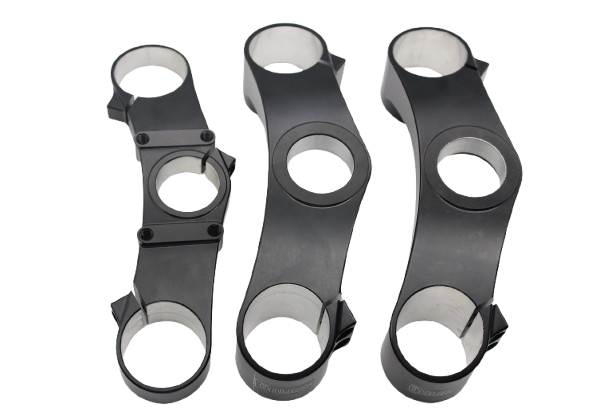
For a complete CNC component, quality is determined by more than just the turning or milling process. Heat treatment can cause dimensional changes; grinding may be required for precise fits; and surface treatments impose specific requirements regarding preparation, coating thickness, and the masking of functional surfaces. TOS integrates these steps into a single, cohesive production route from the outset.
Depending on the component, we select an appropriate CNC manufacturer and specialized partners for processes such as hardening, grinding, anodising, passivating, galvanizing, marking, or assembly. This ensures that responsibilities, intermediate inspections, and logistics are clearly defined in advance.
Are you looking for a specific machining process? Take a look at CNC turning in Poland for turned parts, or CNC milling in Poland for milled parts. This page focuses on finishing and the delivery of fully finished components as part of our production services in Poland.
A reliable quote begins with a complete technical drawing and a clear set of final requirements. Please specify the material, tolerances, surface roughness, hardness, coating thickness, color, any areas that must remain uncoated (masked), quantities, packaging, and required documentation. TOS will then assess the best stage—before, during, or after finishing—to apply and verify critical dimensions.

Submit your technical drawing, 3D file, material specifications, quantities, and quality requirements. We will assess the manufacturability and identify any missing information.

TOS evaluates the most suitable milling machines, work-holding setups, raw material forms, batch sizes, pricing, and lead times.

You will receive a clear quotation covering machining, inspections, finishing, packaging, and delivery.

For new or critical parts, we verify dimensions, fit, flatness, surface roughness, and finish before the production run is approved.

Following approval, the process moves to production, agreed-upon quality control, packaging, and transport from Poland.
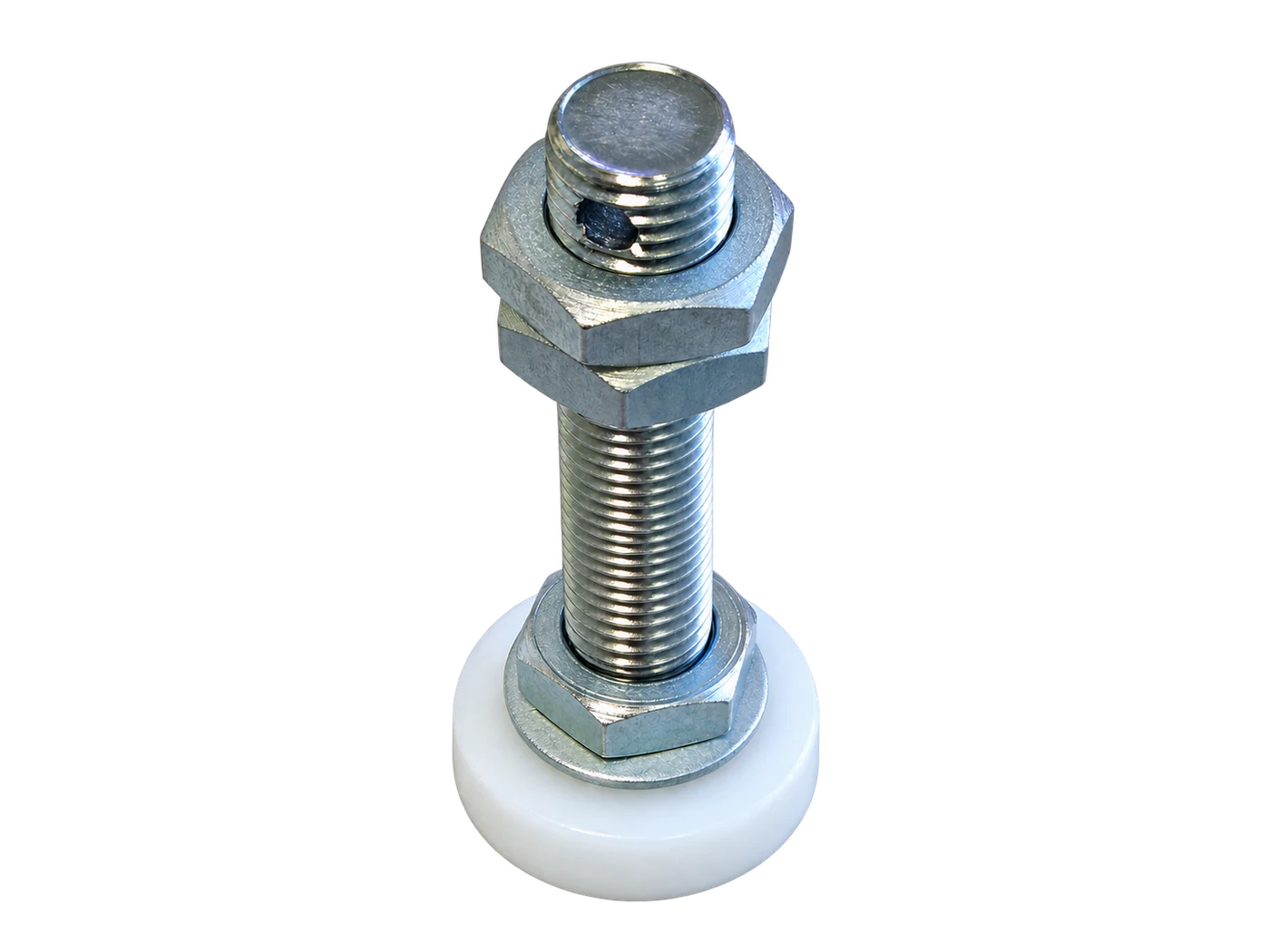
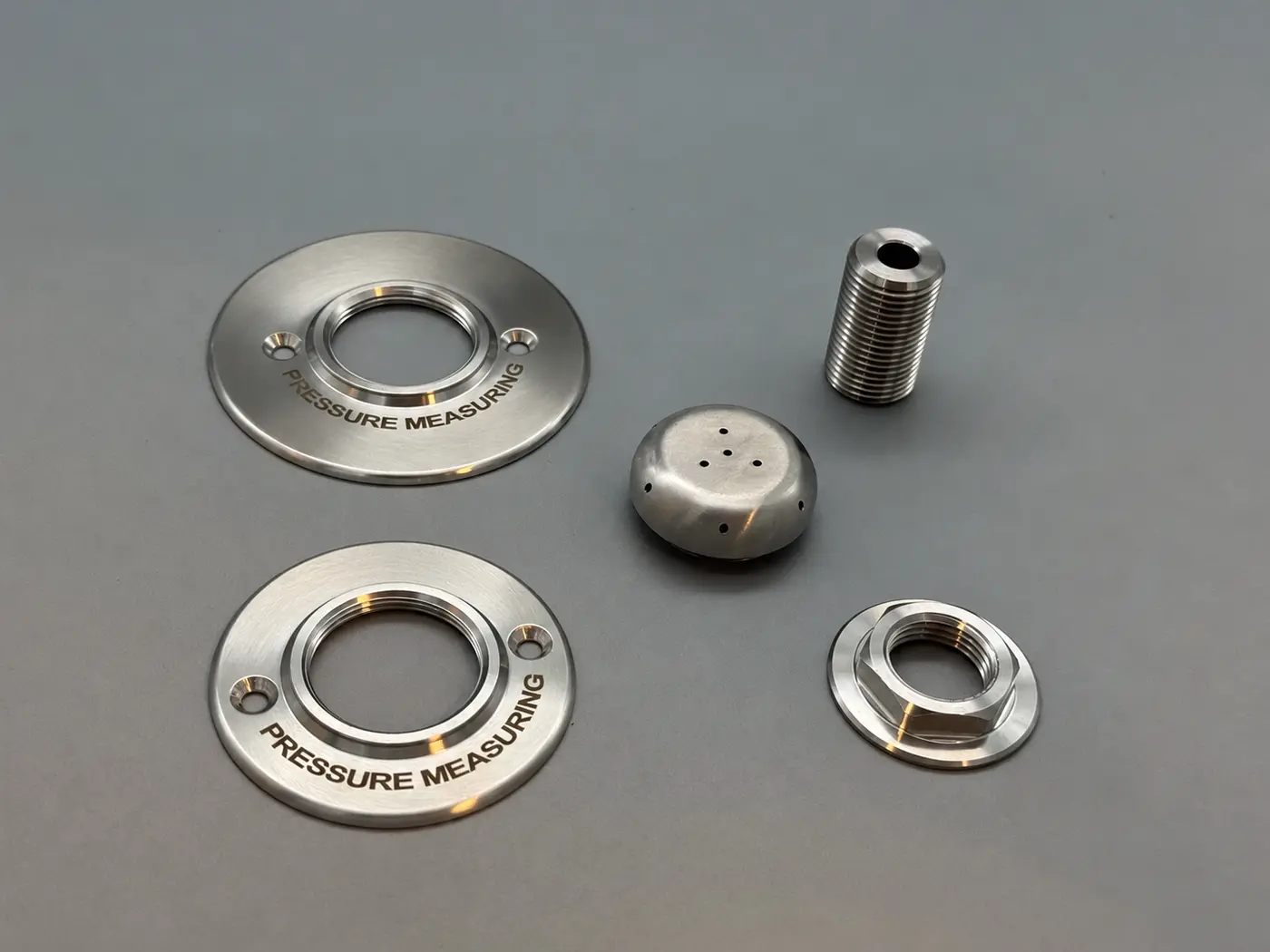
Complete CNC-machined parts can be produced from materials including structural steel, tool steel, stainless steel, aluminium, brass, bronze, and engineering plastics. The production route may encompass CNC machining, drilling, tapping, reaming, grinding, hardening, tempering, anodising, passivating, electro-galvanizing, nickel plating, polishing, engraving, and assembly.
Typical applications include shafts, bushings, flanges, machine blocks, housings, mounting plates, guides, and complex assemblies. The specific combination of material, geometry, tolerances, and final finish determines which Polish production partners are the best fit.
TOS begins by analyzing the function and final requirements of the part. We then determine which machining operations are necessary, identify which dimensions must remain within tolerance following heat or surface treatment, and establish where intermediate inspections should take place.
We coordinate technical inquiries, revisions, and handovers between the various suppliers involved.
Through appropriate quality control and a clear supply chain, we minimize the risk of dimensional deviations, damage, mix-ups, or ambiguity between process steps.
Ideally, you should provide a dimensioned PDF drawing and a STEP or STP file, supplemented with details regarding material, quantities, tolerances, surface roughness, hardness, surface finish requirements, areas to be masked, assembly, packaging, and any required documentation.
TOS assesses manufacturability and determines the logical sequence of operations—such as turning, milling, drilling, grinding, heat treatment, and surface finishing. In doing so, we also consider the risk of deformation, work-holding (clamping), material allowances, and the feasibility of inspection after each critical step.
The primary CNC partner is selected based on the material, dimensions, geometry, tolerances, and batch size. For specialized processes, we select appropriate partners and clearly define responsibilities for transport, inspection, and the transfer of parts between process stages.
The quotation specifies the raw material, CNC operations, finishing, quantities, any applicable tooling or setup costs, quality control, packaging, and delivery. This ensures a clear understanding of what constitutes a fully finished component.
For new or critical components, a first article or a small pre-production run can be manufactured. Dimensions, hardness, coating thickness, color, surface roughness, fit, and appearance are evaluated before the full-scale production route is approved.
Once approved, production begins in accordance with the current drawings, specifications, and process route.
TOS manages technical queries and revisions, ensuring that CNC programs, machining sequences, treatments, and inspection instructions are adjusted in a controlled manner.
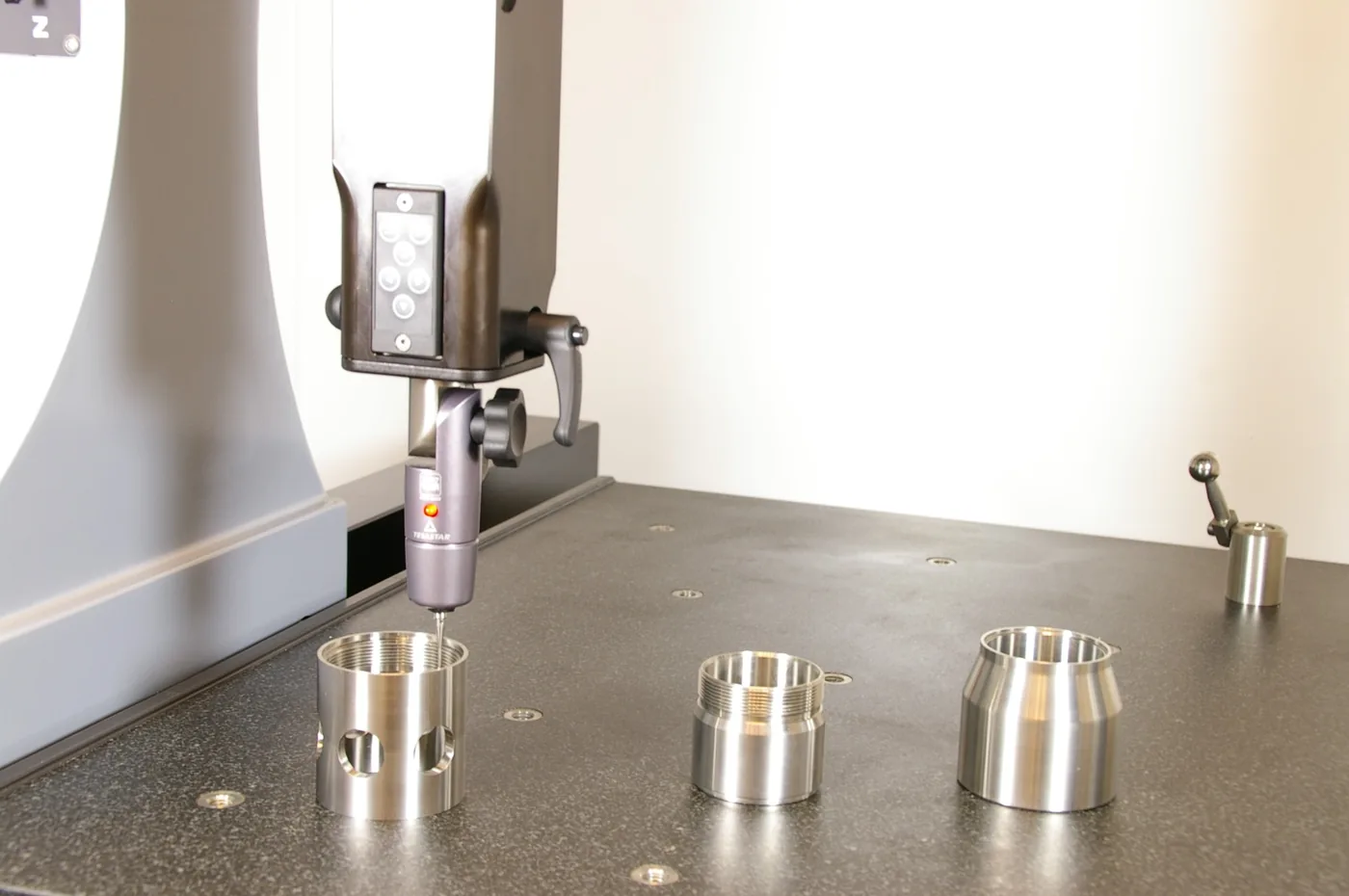
Critical dimensions can be verified both before and after heat or surface treatments. Depending on the component, we can arrange for checks using calipers or micrometers, as well as roughness, hardness, or 3D measurements, fit inspections, coating thickness measurements, photographic documentation, or formal measurement reports. Learn more about our quality control capabilities.
Depending on the material and the intended function, the process route may include grinding, hardening, tempering, passivating, anodising, electro-galvanizing, nickel plating, chrome plating, polishing, powder coating, or e-coating. Functional surfaces, threads, and critical fits are masked or post-processed as required.
Parts can be cleaned, marked, fitted with purchased components, and assembled. They are then packaged to provide protection against impacts, scratches, corrosion, and the risk of parts being mixed up. TOS tailors the packaging and transport from Poland to the specific weight, finish, and application of the parts.
Following the initial delivery, we evaluate dimensions, handling, rejection rates, assembly, packaging, and lead times. For subsequent orders, drawings, control plans, and logistics instructions are refined as necessary to ensure a stable production chain.
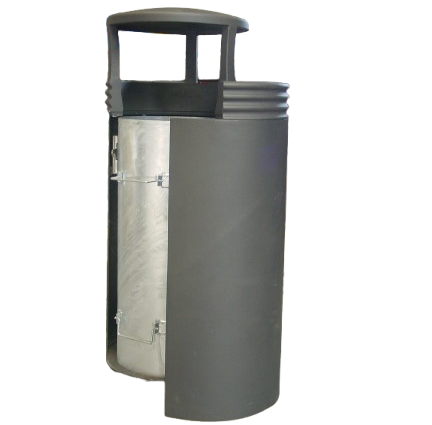
For a client who supplies street furniture to municipalities, we developed a specially designed waste bin, fully adapted to intensive....
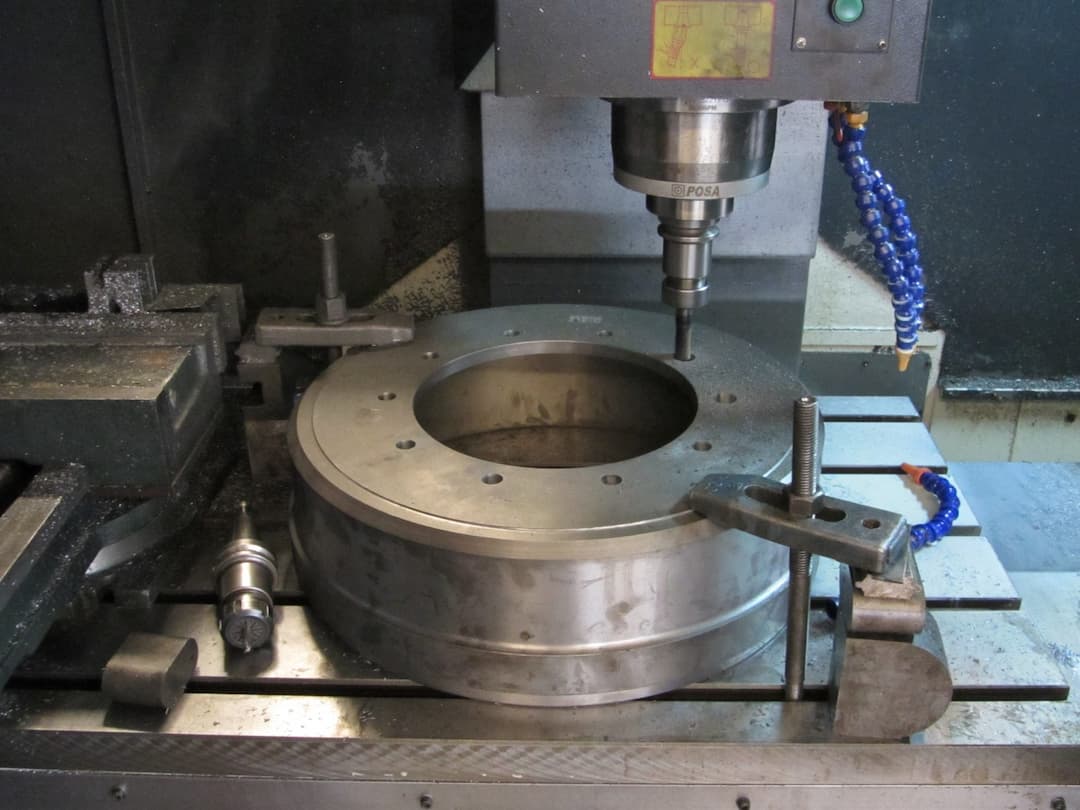
For one of our regular customers, we produced brake drums with an inner diameter of 500 mm, made entirely of....
Available finishing operations include drilling, tapping, reaming, grinding, hardening, tempering, anodising, passivating, galvanizing, nickel plating, chrome plating, polishing, engraving, cleaning, and assembly. The ideal combination depends on the material, the part’s function, and the final specifications.
Yes. TOS can coordinate between the primary CNC manufacturer and specialized partners for heat treatment, surface finishing, quality control, and assembly. Responsibilities and inspection protocols are established in advance.
This approach is particularly advantageous when multiple process steps are required, for recurring orders, or if you prefer a single point of contact for production, finishing, inspection, and delivery. For a simple, standalone part that requires no finishing, a more direct route may be more appropriate.
Critical dimensions and geometric or positional tolerances are assessed beforehand for potential changes caused by heat or the application of coatings. Where necessary, extra material allowance is provided, specific surfaces are masked, or a final grinding or CNC machining step is performed after the treatment.
Please provide a dimensioned PDF drawing, ideally accompanied by a STEP or STP file. Include details such as the material, order quantities (per batch and annually), tolerances, surface roughness, hardness, surface treatment (including color or coating thickness), any surfaces that require masking, assembly requirements, packaging, and delivery preferences. You can submit your request via the contact page.
Technical request
Upload a PDF, DWG or STEP/STP file and receive a detailed response about manufacturability, the production route and your request for quotation.