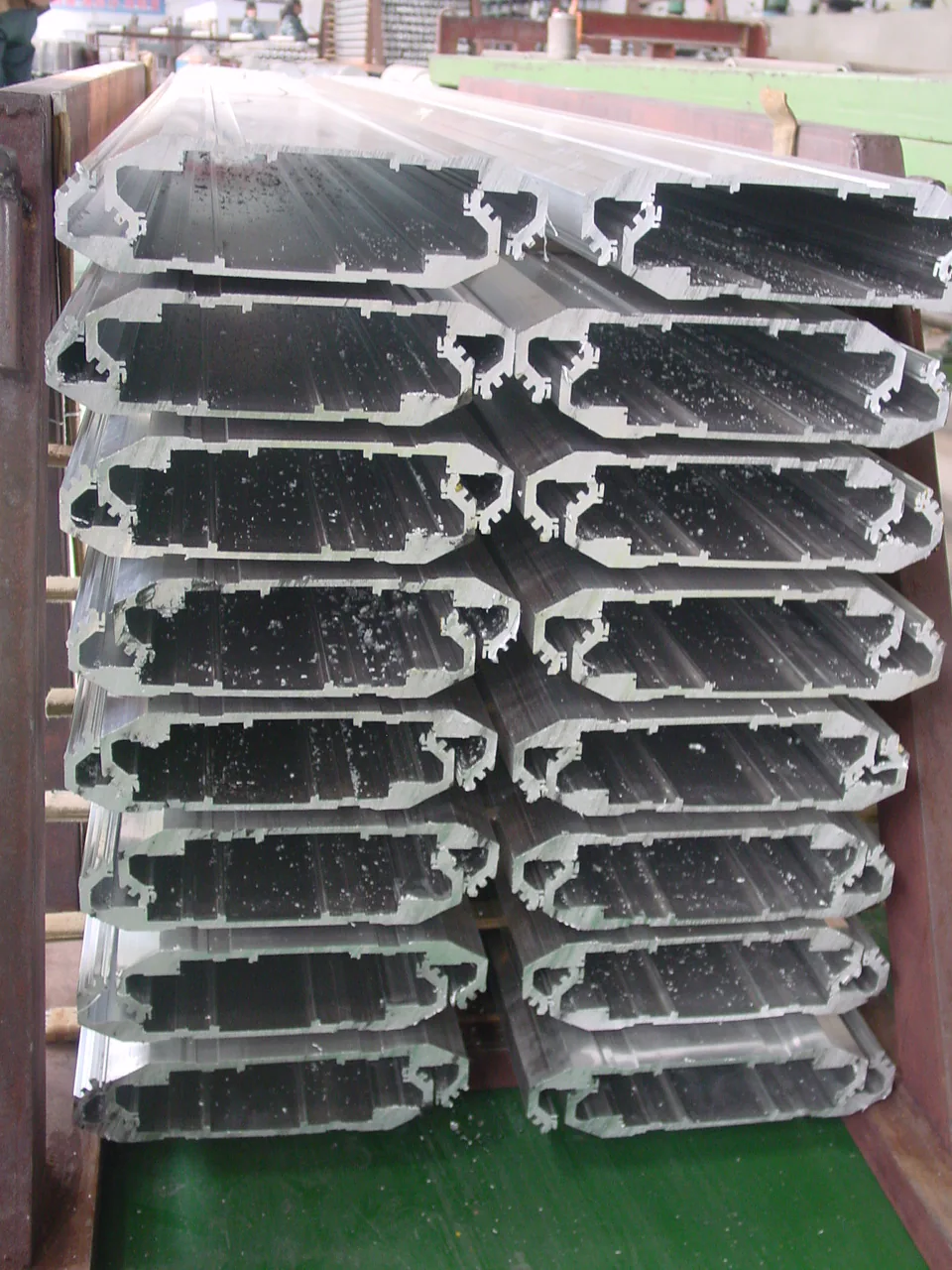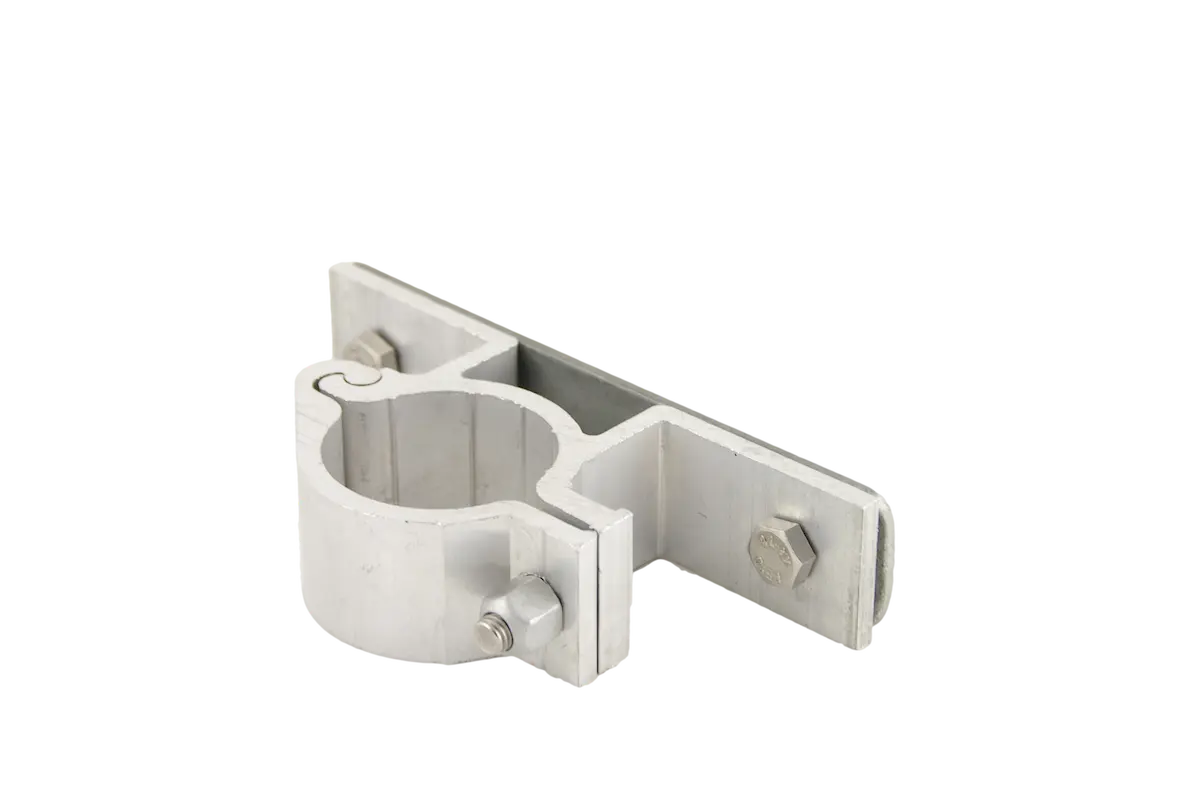

Do you want to extrude aluminium profiles in China? TOS links your profile drawing, application and annual volume to a production partner with suitable extrusion capacity. Consider custom profiles for machine construction, housings, clamps, guides and composite products.
We assess the entire route: cross-section, alloy, die, test extrusion, tolerances, surface treatment and any CNC machining. You will receive a proposal for the agreed delivery schedule and you will have one Dutch point of contact for production, inspection and logistics.

Ribs, chambers and mounting grooves can combine functions in one profile. Manufacturability is reviewed in advance with the extrusion partner.

For a new profile, we agree die costs, sample lengths, any corrections and release for series production.

Material selection and heat treatment are linked to strength, formability, finishing and desired finish.

Cross-section, straightness, twist, cut length and visible surfaces receive inspection points suited to the application.
Sawing, drilling, tapping, milling, anodizing, powder coating and assembly can be combined in one route where appropriate.
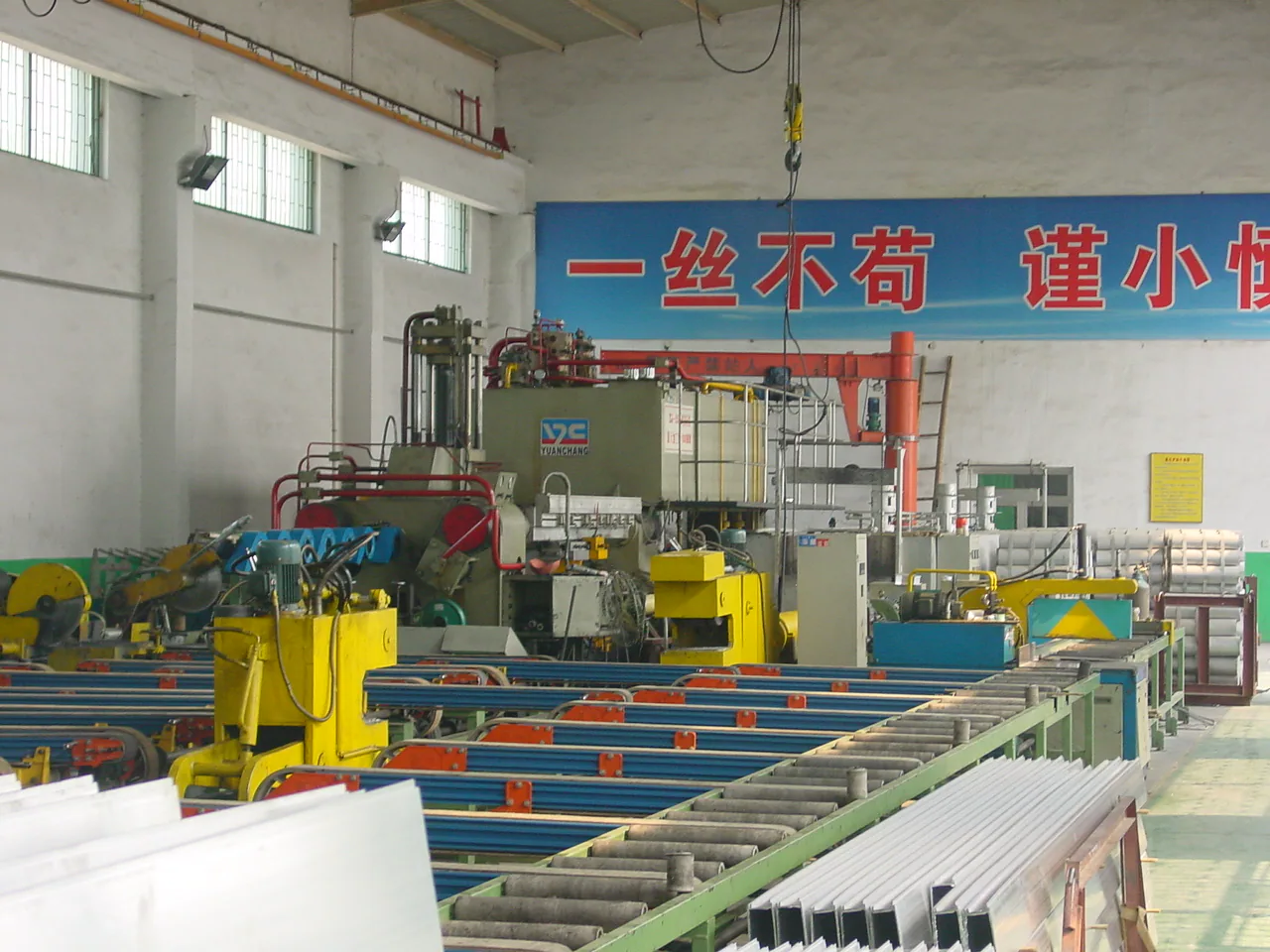
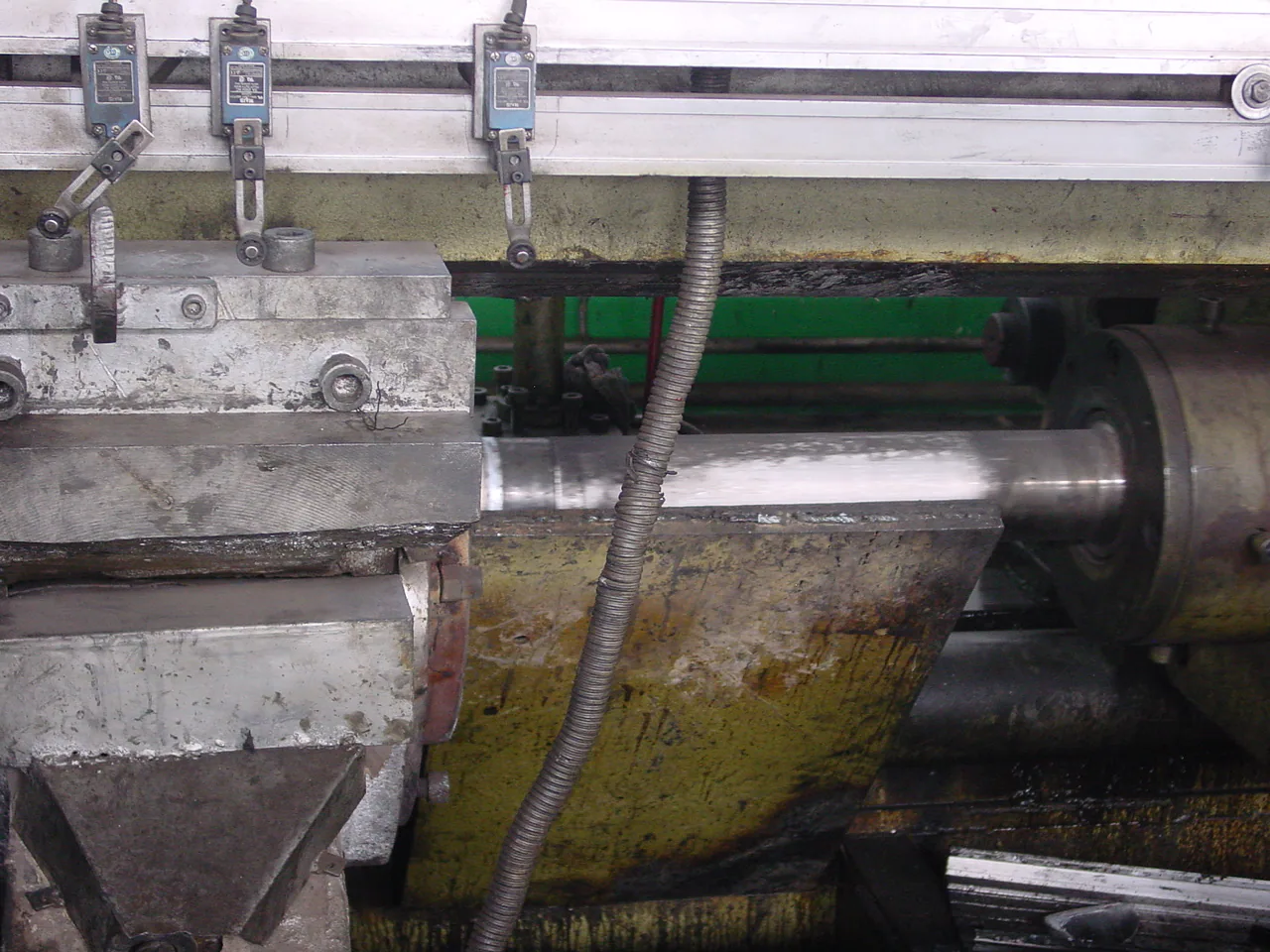
Aluminium extrusion involves pressing a heated aluminium billet through a die. This creates a long profile with a constant cross-section. Solid, semi-hollow and hollow shapes each require a suitable die concept. The profile is then cooled, aligned and sawn to length; further treatment follows from the agreed alloy and delivery condition.
The cross-section determines a large part of the feasibility. Wall thicknesses, transitions, protruding ribs, circumscribed circle and the ratio between openings and material are reviewed together. Balanced wall thicknesses and rounded transitions help keep the material flow manageable. A very thin wall or deep, narrow room is not automatically impossible, but requires a targeted assessment.
Indicate functional dimensions and visible areas on the drawing. For bores, threads, local recesses and precise connection surfaces, we look at additional CNC milling operations in China. The general options can be found on our page about aluminium extrusion.
For sawing, drilling, tapping and milling these profiles, read more about CNC machining of extrusion profiles in China.
For the tooling process, read more about extrusion molds in China. There we discuss the coordination of profile design and extrusion press, trial extrusion, corrections and agreements for repeat orders.
Aluminium extrusion in China can be interesting for recurring series and profiles with additional operations. The advantage depends on profile weight, die complexity, press utilization, batch size and delivery condition. We therefore compare the total costs, including tools, trial production, scrap, finishing, packaging and transport.
There is no fixed minimum purchase that applies to every profile. The production partner assesses the economic batch per die and alloy. For an initial request, we would like to receive a sectional drawing, STEP file if available, desired length, quantities per order and expected annual purchase.
A profile can be supplied as a commercial length, sawn part or completely finished and assembled product. An extrusion profile as a preform can save material and milling work compared to a part completely milled from solid. We assess this per geometry. Also read how TOS organizes outsourcing production to China.

We discuss load, mounting, visible surfaces, profile sizes and the desired delivery condition.

Material, geometry and pressing options are linked to the die concept and batch size.

A test piece confirms cross-section, fit and manufacturability. Corrections precede serial release.

Sawing, CNC machining and surface treatment follow the approved drawing and working order.

After the agreed inspection, profiles are protectedly packaged and transported according to the chosen delivery route.
Many used extrusion alloys come from the 6000 series. EN AW-6060 and EN AW-6063 are used, among other things, for profiles where formability and surface quality are important. For other strength requirements, for example, EN AW-6061 or EN AW-6082 can be reviewed. The right choice follows from load, profile shape, availability and delivery condition; a stronger alloy is not the best solution for every cross-section.
Extrusion tolerances differ from tolerances on CNC-machined surfaces. Therefore, determine which requirements apply to the cross-section, wall thickness, straightness, twist and length, and which dimensions must be achieved after sawing or milling. We confirm the applicable tolerance standard and any additional drawing requirements with the supplier. Close fitting dimensions may require separate finishing.
With anodizing and powder coating we agree in advance on the color, visible side, layer structure and acceptance of surfaces. Machining, deburring and any masking are tailored to this. A test sample or reference sample helps to clearly record expectations about color and appearance.
An extrusion project starts with clear agreements about the cross-section, die and acceptance of test pieces. We then coordinate production, finishing, quality inspection and transport. For repeat orders, the approved drawing and recorded delivery status remain the starting point.
You provide a sectional drawing, desired length, material, quantities and the application. Name functional dimensions, mounting points and viewing surfaces. Where necessary, TOS can help with the technical development of an existing profile.
Wall thicknesses, transitions, hollow chambers, ribs and die loading are reviewed. Adjustments to the cross-section will only be processed after technical consultation.
We compare alloy, pressing options, delivery condition and capacity of the production partner. The desired mechanical properties and finish are part of the application.
The quotation specifies the die, trial production, any corrections and the agreements regarding use, maintenance and availability for repeat orders. The economic batch and intended delivery state are also recorded.
A test extrusion shows whether the agreed cross-section and functional dimensions are achieved. Where necessary, sawing, CNC machining or an initial surface treatment on test pieces are also reviewed.
You assess the test pieces according to the agreed acceptance points. Any corrections will be processed before the series is released; changes to the design are recorded.
After release, profiles are produced, aligned and cut to length according to the agreed route. Batch identification and delivery status are linked to the order.
Borings, threads, recesses and mounting surfaces can be reworked. Deburring, anodizing, powder coating and mechanical assembly follow in an appropriate working order.
We coordinate dimensional inspection, material data and assessment of visible surfaces in advance. Reporting and material certificates are provided when agreed in the order.
Protective film, intermediate layers, bundles and packaging are tailored to length and surface. TOS organizes the agreed form of transport and can discuss a stock or call-off model for predictable purchases.
For a client in the infrastructure sector, we developed a sustainable aluminium extrusion clamp used for the installation of traffic....
Send a sectional drawing, desired lengths, alloy and delivery condition, quantities per order and expected annual purchase quantity. Also indicate critical dimensions, visible surfaces, surface treatment and any CNC machining. A STEP file and information about the application will assist in the assessment.
This varies per cross-section, die, alloy and production partner. The minimum or economically suitable batch is therefore determined per request. TOS includes mould, trial production, material, finishing and transport in the comparison.
Yes, where appropriate the route can also include sawing, drilling, tapping, milling, deburring, anodizing, powder coating and assembly. The drawing and quotation record what is delivered and in what order the operations are carried out.
That depends on the alloy, profile dimensions, shape and the chosen process. We determine the tolerance standard and additional requirements in advance. Straightness and distortion require different inspection points than a local fit; critical connection surfaces may require CNC machining.
The agreements regarding ownership, storage, maintenance, service life and availability of the die are recorded in the project. Do not assume that every supplier applies the same conditions. For repeat orders, we also confirm the drawing, alloy and desired delivery condition.
Technical request
Upload a PDF, DWG or STEP/STP file and receive a detailed response about manufacturability, the production route and your request for quotation.