



MIG/MAG and TIG Welding in Poland

MIG/MAG and TIG Welding in Poland

Looking to source MIG/MAG or TIG welding in Poland for steel, stainless steel or aluminum parts? TOS selects a suitable manufacturing partner based on the material, welding process, batch size and quality requirements. We coordinate technical clarification, production, inspection, finishing and delivery through one Dutch point of contact.

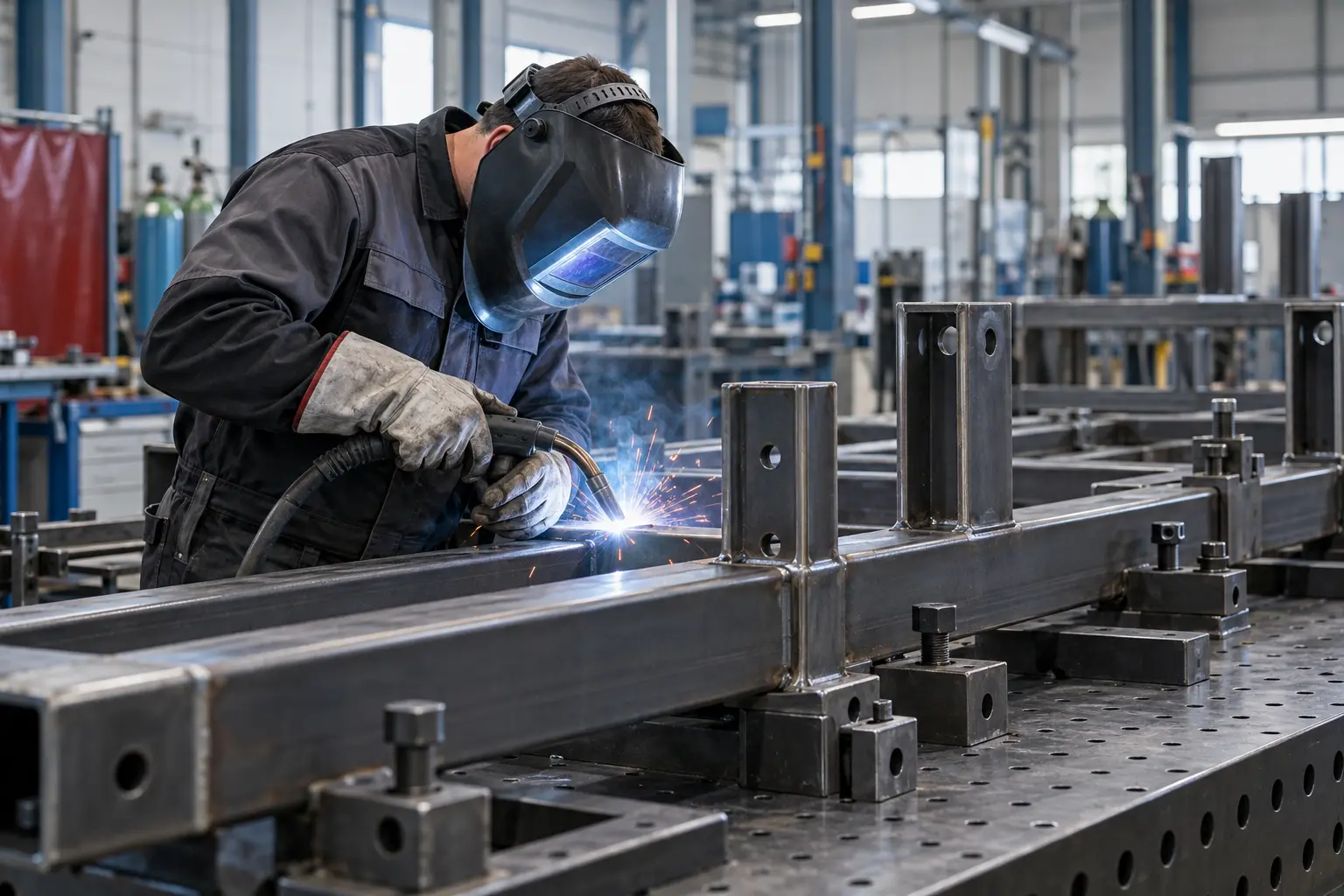
Welder performing MIG/MAG welding on a steel frame in Poland

Why Source MIG/MAG and TIG Welding from Poland with TOS?

MIG/MAG Welding for Steel and Repeat Production
TIG Welding for Stainless Steel, Aluminum and Visible Welds
Process Selection Based on Material and Joint Design
Quality Requirements and Welding Documentation
Finishing and Delivery Across Europe
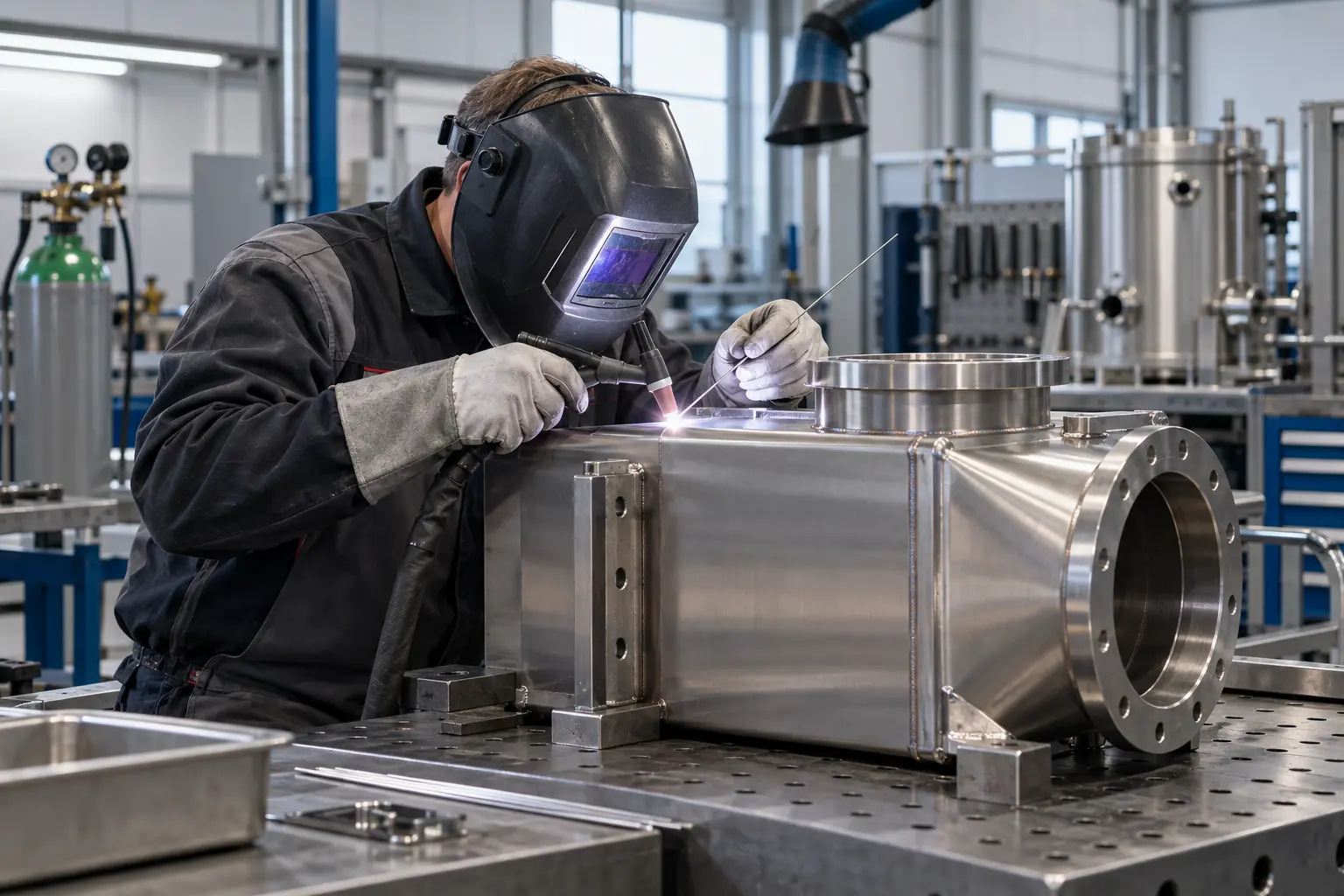
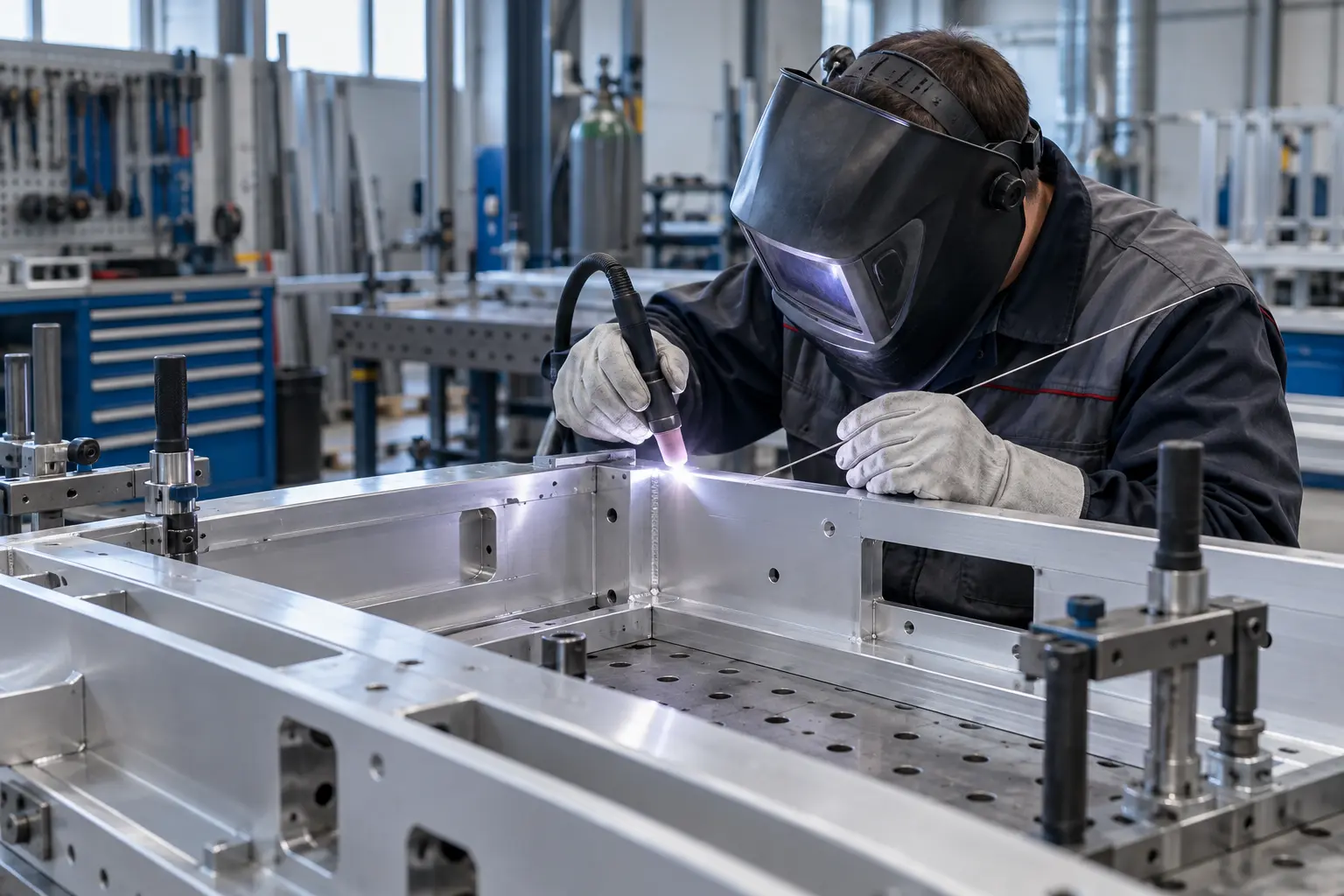
Welder performing precise TIG welding on a stainless steel fabrication in Poland

MIG/MAG or TIG: The Right Welding Process for Each Product

MAG welding is widely used for structural steel and repeat production because it combines a high deposition rate with good productivity. MIG welding uses an inert shielding gas and is commonly applied to aluminum and other non-ferrous metals. TIG welding provides precise control over heat input and the weld pool, making it suitable for stainless steel, aluminum, thin-walled parts and visible welds.

The best process depends on more than the material. Plate thickness, joint design, accessibility, tolerances, quantities and the required appearance also matter. For a broader production route, see our welded fabrication services or the overview of contract manufacturing in Poland.

A reliable weld starts before welding begins. Joint preparation, tack sequence, fixturing, heat input and welding order all influence dimensional stability and finish. TOS discusses these points with the selected manufacturing partner in advance and defines critical dimensions and acceptance criteria.

Where required, we select a partner that can work with suitable welding procedure specifications, procedure qualifications and qualified welders. This can include WPS/WPQR, welder qualifications or additional drawing requirements. Read more about our welded fabrication and quality control services.

Welder making a TIG weld on an aluminum frame in Poland

From Welding Enquiry to Delivery

Technical Enquiry

We review the drawing, material, welds, quantities, tolerances and any documentation requirements.

Process and Supplier Selection

TOS determines whether MIG, MAG or TIG is appropriate and selects a partner with relevant material and product experience.

Quotation and Quality Requirements

You receive a clear quotation covering the welding process, operations, inspections, finish and lead time.

Prototype or First Article

For new or critical parts, we first check weld appearance, dimensions, distortion and fit.

Production, Inspection and Delivery

After approval, production, agreed quality control, finishing, packaging and transport follow.
Welding Steel, Stainless Steel and Aluminum

MAG welding is often the logical choice for unalloyed and low-alloy steel. MIG welding is widely used for aluminum and other non-ferrous metals. TIG welding is versatile and offers additional control for stainless steel, aluminum, thin material and visible welds. The final process is selected according to material grade, thickness, welding position, batch size and required finish.

The production route can start with laser cutting, tube laser cutting, bending or machining. After welding, straightening, grinding, blasting, powder coating or hot-dip galvanizing can be added. Assembly, packaging and transport can also form part of the same order.

When Should You Choose MIG/MAG or TIG Welding in Poland?

How TOS Manages MIG/MAG and TIG Welding in Poland

TOS starts with the technical function of the part and only then selects the welding process and manufacturing partner. This avoids specifying MIG/MAG or TIG without considering the material, dimensions, appearance and batch size.

During production, we manage revisions, agreed inspection points and communication. Documentation, material certificates, welding records and inspection reports are arranged where required for the project and agreed with the partner in advance.

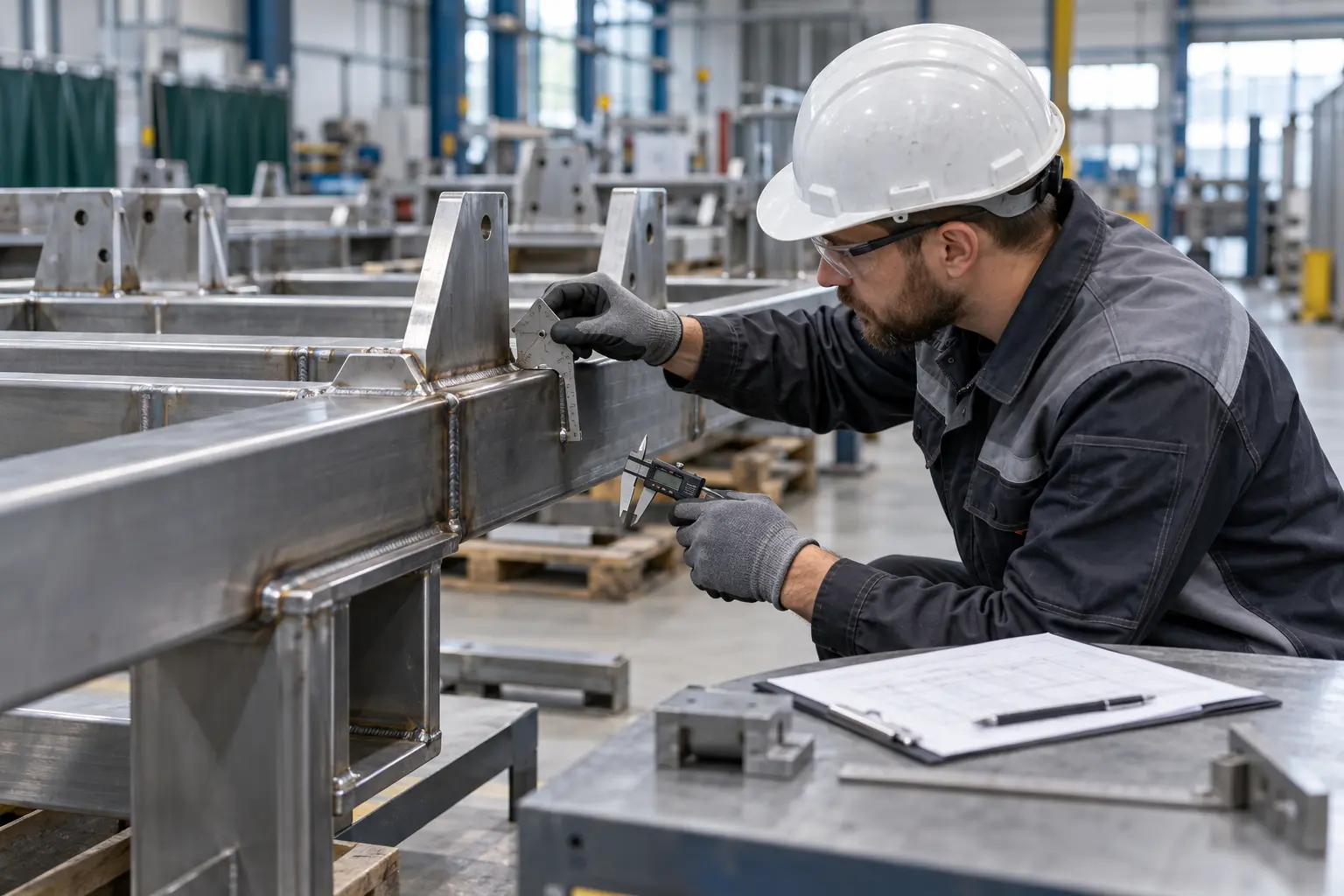
Quality inspector checking welds and dimensions of a welded frame in Poland

Please provide a PDF drawing and preferably a STEP or STP file, together with the material grade, quantities, plate or wall thickness, weld details, tolerances, visible surfaces and required finish. Include any standards or documentation requirements.

We assess weld accessibility, joint preparation, tack and welding sequence, distortion risk, fixturing and any secondary machining. Where appropriate, we discuss design changes that can make welding more stable, easier to inspect or more cost-effective.

MAG is often efficient for structural steel; MIG suits materials including aluminum; TIG offers precise control for stainless steel, aluminum, thin parts and visible welds. TOS selects a partner with relevant experience in the material, product type and batch size.

The quotation defines the material, welding process, quantities, any fixtures, secondary operations, quality inspections, packaging and delivery. Required welding documentation or certification is also stated in advance so that suppliers quote on the same basis.

For a new product, a prototype, first article or small pilot batch may be advisable. This allows us to check weld appearance, dimensions, distortion, fit and finish before a larger batch is released.

After approval, production starts to the current drawings and agreed welding parameters. TOS manages technical questions and revisions so that changes are implemented in a controlled manner rather than passed informally to the shop floor.

Depending on the product, the inspection plan may include visual weld inspection, dimensional checks, fit checks, photographic records or additional testing. Through our quality control service, inspection points are matched to the risk and function of the part.

After welding, seams can be ground, fabrications straightened and parts drilled or tapped. Blasting, powder coating, wet painting or galvanizing can be added for corrosion protection or appearance, depending on the material and application.

Welded parts and fabrications are packaged to prevent damage, distortion and contact marks. TOS coordinates stacking, protection and transport from Poland according to dimensions, weight and surface finish.

After the first delivery, we review weld appearance, dimensions, inspection points, packaging and lead time. For repeat orders, the agreements are refined to create a stable production route for recurring MIG/MAG or TIG welding.

Welding and Fabrication Projects

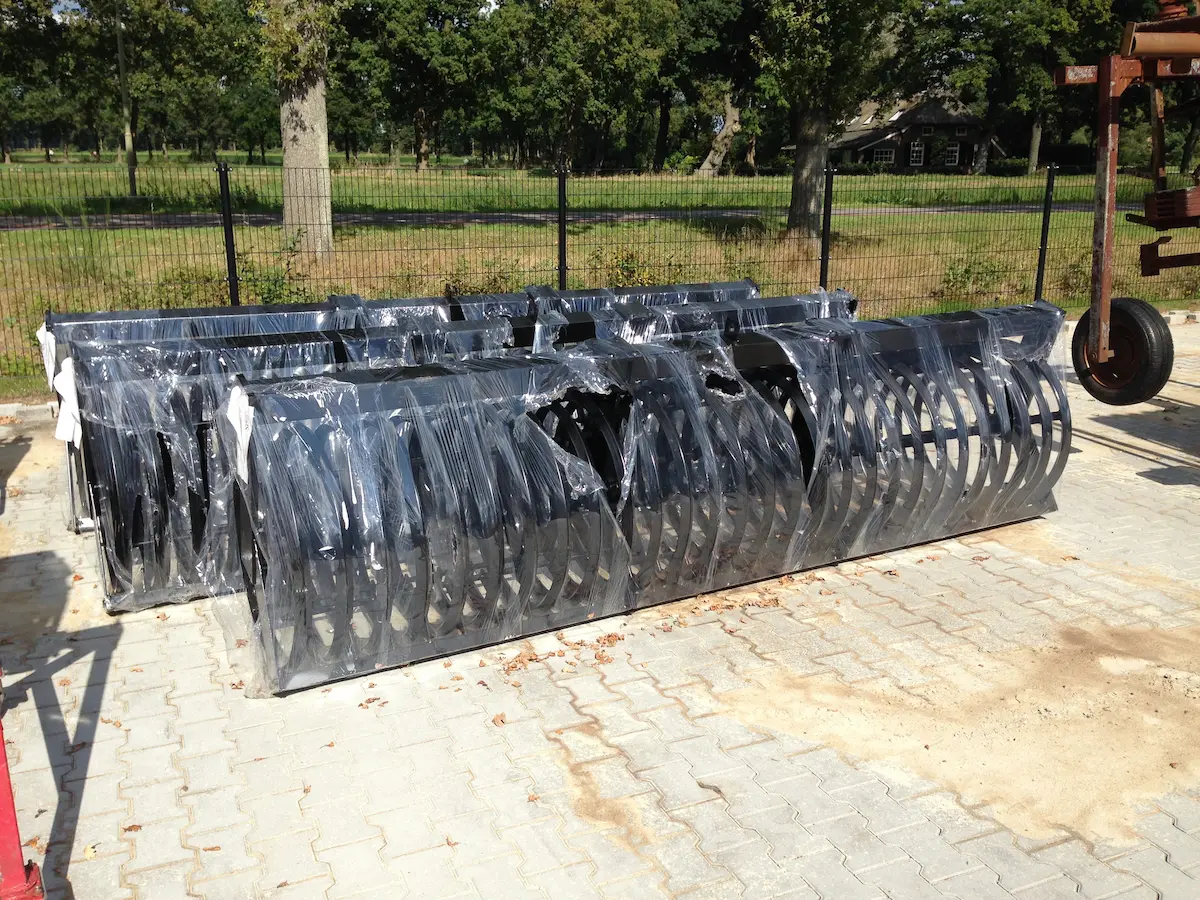
Roller Frames for Arable Farming: Designed, Built & Delivered

TOS also supplies a wide range of products to the arable farming sector: from fine machining and wear parts to....

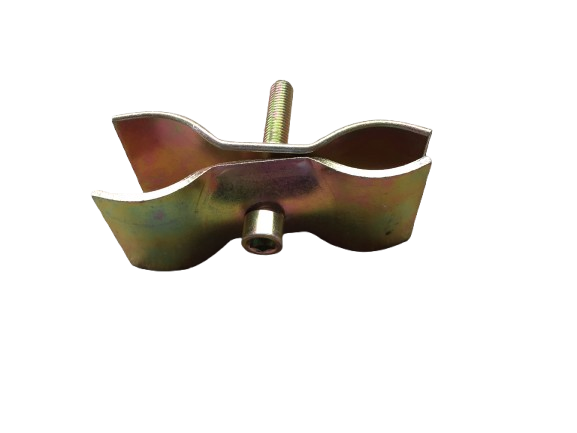
Construction Fence Clamps in All Sizes: Stamped, Welded, Galvanized, and Ready to Use

For a client who supplies construction fences, we produce a wide range of construction fence clamps in various sizes and....

Frequently Asked Questions About MIG/MAG and TIG Welding in Poland

What Is the Difference Between MIG, MAG and TIG Welding?

MAG welding uses an active shielding gas, while MIG welding uses an inert gas. MAG is widely used for steel; MIG is commonly used for aluminum. TIG uses a non-consumable tungsten electrode and provides precise control, which is beneficial for stainless steel, aluminum, thin material and visible welds.

MAG welding is mainly used for unalloyed and low-alloy steel. MIG welding is applied to aluminum and other non-ferrous metals. TIG welding can be used for stainless steel, steel and aluminum, depending on the alloy, thickness and product requirements.

Yes. Where the project requires it, TOS selects a partner with suitable welding procedure qualifications, qualified welders and relevant certification. The exact requirements must follow from the drawing, standard or application; they are not automatically the same for every order.

Poland can be suitable for prototypes, small and medium-sized batches and recurring labor-intensive welding. Technical feasibility and cost advantages depend on the material, welding hours, product dimensions, finishing and transport.

Send a PDF drawing and preferably a STEP or STP file. Include the material, quantities, thicknesses, weld details, tolerances, visible surfaces, any WPS or certification requirements, surface treatment and delivery requirements. Files can be attached directly to our technical enquiry.