
Do you need cast iron, steel or aluminium parts sand-cast in China? TOS selects a foundry suited to the material, dimensions, quantities and required finishing. Your drawing forms the basis for the pattern, cores, casting allowances and inspection points.
Where required, we arrange heat treatment, blasting, CNC machining and surface treatment. You receive one all-in price for the agreed production route, including inspection, packaging and transport to your location, with one Dutch point of contact throughout. Read more about the process on our general sand casting page.

We review geometry, wall thicknesses, draft angles, cores, tolerances and the required batch size from your enquiry.

The Chinese foundry is selected based on material experience, melting capacity, part weight and available process control.

Pattern plates, loose patterns and core boxes are matched to the quantities, complexity and expected repeat orders.

Dimension-critical faces, bores and fits receive sufficient casting and machining allowance for subsequent CNC machining.

Casting, agreed finishing, inspection, packaging and transport are combined in one delivered price.
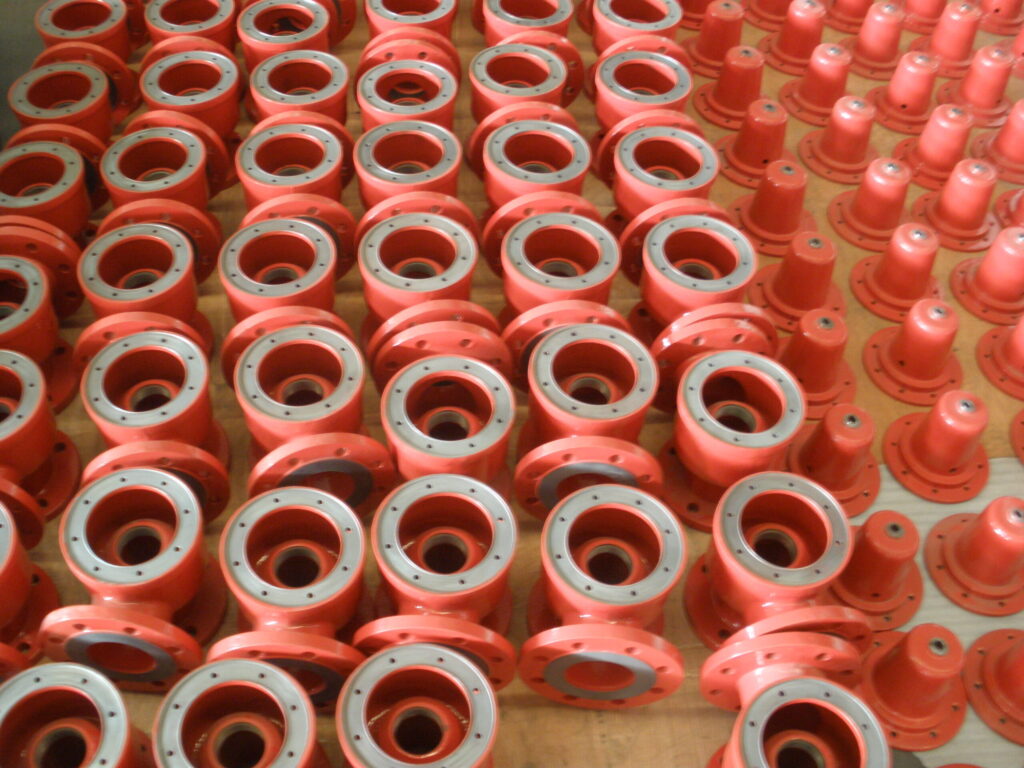
Sand casting costs involve more than a price per kilogram. Pattern making, cores, casting yield, material losses, finishing, heat treatment, inspection and packaging all contribute. An inexpensive rough casting can still prove costly when excessive material must be machined or scrap is not properly controlled.
TOS therefore assesses the complete route to a usable part. We compare foundries by material experience and part weight, and include the agreed quality control, finishing and delivery in the quotation.
Sand casting in China is especially suitable for repeat production, larger castings and products where pattern costs can be spread across multiple parts. China may also be attractive for technically complex components when pattern making, casting and CNC machining are combined in one managed route.
For a single small urgent part, production closer to home may be more practical. We therefore assess batch size, tooling, lead time and transport in advance. Our all-in quotation covers the agreed production, inspection, packaging, transport and import handling, so you know the delivered cost at your location.

Material, dimensions, quantities, critical dimensions and the required delivery condition form the basis of the enquiry.

We choose from our network based on material experience, part weight, dimensions, process control and available finishing.

Pattern design, core boxes, casting allowances, gating and risers are prepared for a stable casting process.

For a new part, we inspect the agreed dimensions, material data and visible casting quality before releasing series production.

Casting, heat treatment, blasting, CNC machining, inspection, packaging and transport are planned as one route.
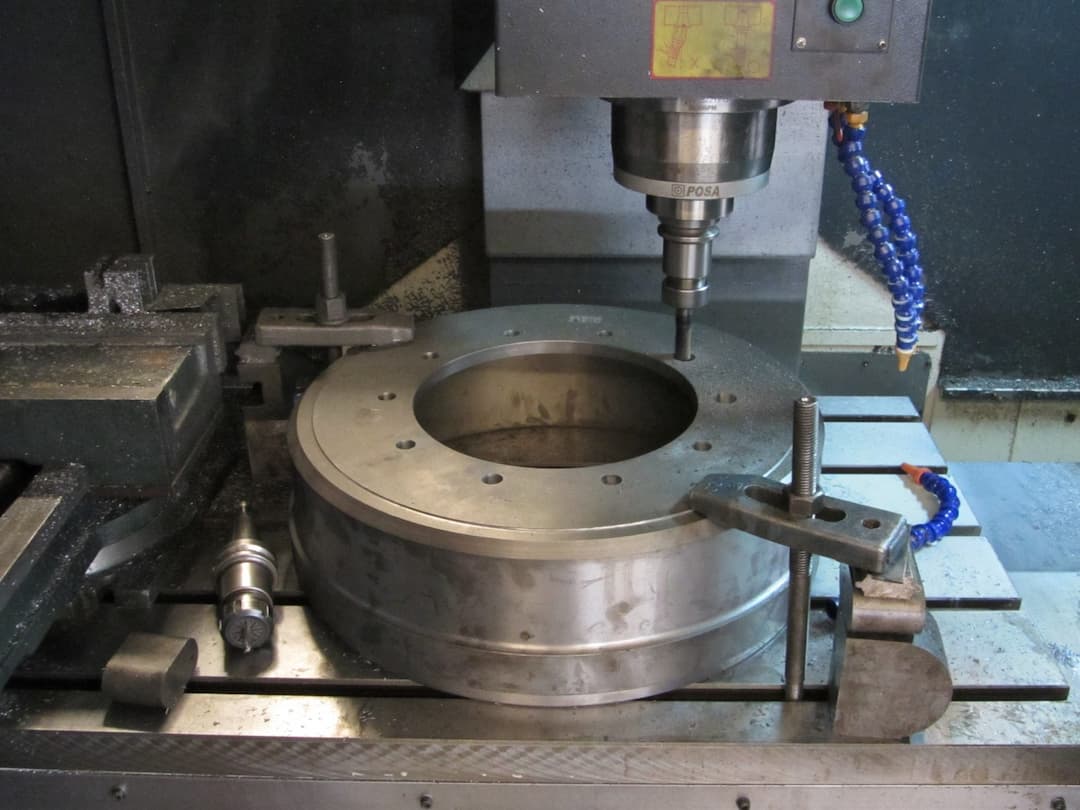
Sand casting suits a wide range of alloys, including cast iron, steel, aluminium and copper alloys. Material selection follows the application and is checked against the Chinese foundry’s experience and melting capacity. Where documentation is required, we define in advance which material certificates must accompany the delivery.
After casting, parts can be cleaned, blasted, ground and heat-treated. Dimension-critical faces, bores, threads and fits can then be produced by CNC machining. Corrosion protection, painting, coating and simple assembly can also be included in the delivery route.
The customer drawing remains the governing document. TOS coordinates the machining sequence with the foundry and any specialist partners, aligning casting allowances, clamping, dimensions and finishing. You receive a complete, inspected part when that is what the application requires.
The customer drawing, required material, quantities, part weight and necessary finishing form the basis. We then select a suitable Chinese foundry and coordinate pattern making, trial casting, inspection, packaging and international logistics and delivery as one production route.
Provide a fully dimensioned customer drawing, quantities and required delivery condition. A STEP file helps us assess geometry, cores and draft directions; the drawing remains the governing document for material, tolerances and inspection.
If no usable drawings are available, TOS can 3D-scan and reverse-engineer an existing part, sample or model. We then produce a manufacturing-ready drawing and 3D model for your approval before pattern making and production begin. Read more about 3D design.
Specify the required material grade or standard and any relevant requirements for strength, hardness, heat treatment and operating environment. We verify that the foundry controls this material and confirm which documentation is available.
We select a Chinese foundry based on material, part weight, maximum dimensions, batch size, core complexity and available quality control. The right partner differs for each casting.
The pattern and any core boxes are matched to quantities and geometry. Shrinkage, draft angles, machining allowances and parting lines are considered before the tooling is released.
Gating, risers and venting affect mould filling and solidification. The foundry assesses risks such as shrinkage cavities, inclusions and porosity and incorporates suitable measures into the casting plan.
For a new product, a trial casting or first article is inspected first. We agree in advance which dimensions, material data and visual characteristics must be checked before series production starts.
After casting, cleaning, blasting, grinding and heat treatment may be required. Dimension-critical faces and holes are then machined; the sequence is aligned with the final dimensions.
Critical dimensions are checked against the drawing. Material certificates, measurement reports and additional non-destructive testing—such as ultrasonic, magnetic particle, dye penetrant or radiographic inspection—are arranged when technically necessary and agreed in advance.
Machined faces and sensitive edges are protected against corrosion and transport damage. We coordinate packaging, sea or air freight, import handling and delivery and include the agreed route in our all-in price.
For repeat orders, the approved tooling is managed and maintained. The current customer drawing remains the basis for production; revisions are technically reviewed before a new order.
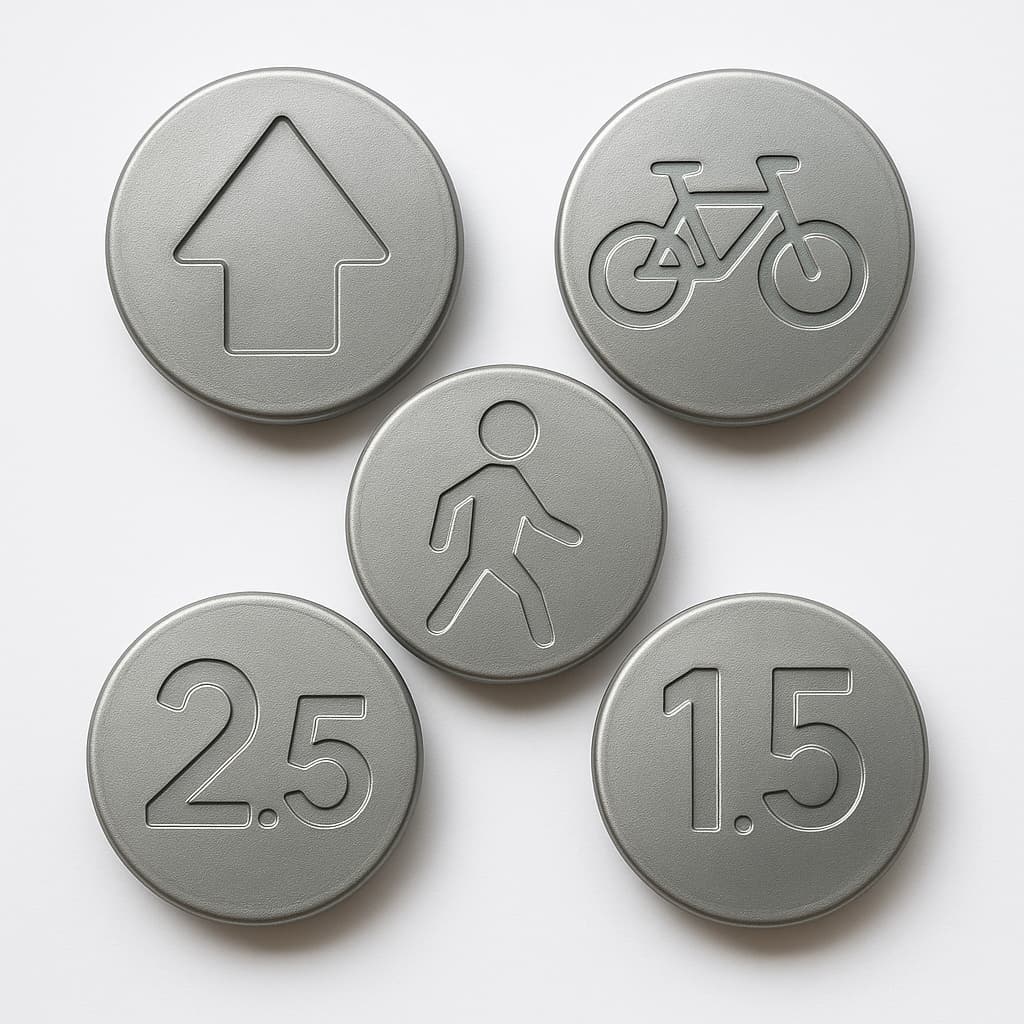
For a regular customer, we produced a series of stainless steel road nails used to mark walking and cycling routes.....
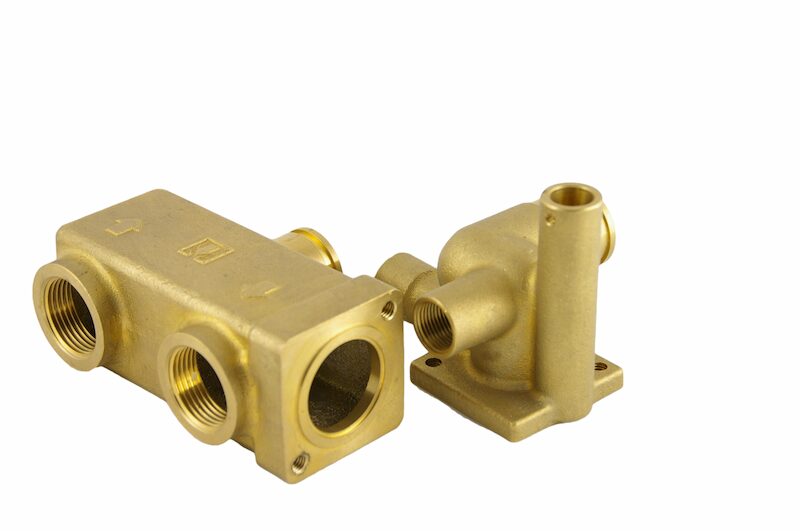
For a client in the heating technology industry, we produce high-quality brass castings for use in technical installations. These components....
Depending on the selected foundry, cast iron, steel, aluminum and copper alloys are possible. The exact alloy, material standard and any heat treatment will be confirmed per request.
Yes, especially when a simple pattern can be used or repeat orders are expected. With very small quantities, pattern costs and transport weigh relatively heavily, so we always compare the total cost per delivered part.
CNC machining is required when fits, bearing seats, sealing faces, bores, threads or other dimension-critical features cannot be produced directly by the casting process.
Options include visual inspection, dimensional inspection, material certificates, hardness testing and additional non-destructive testing. Required inspections and reports are defined in advance and are not automatically included in every quotation. Read more about our quality control.
Send the customer drawing, preferably a STEP file, material type, quantities and desired delivery condition. Also indicate which surfaces are being machined, which dimensions are critical and which certificates or checks are required.
Technical request
Upload a PDF, DWG or STEP/STP file and receive a detailed response about manufacturability, the production route and your request for quotation.