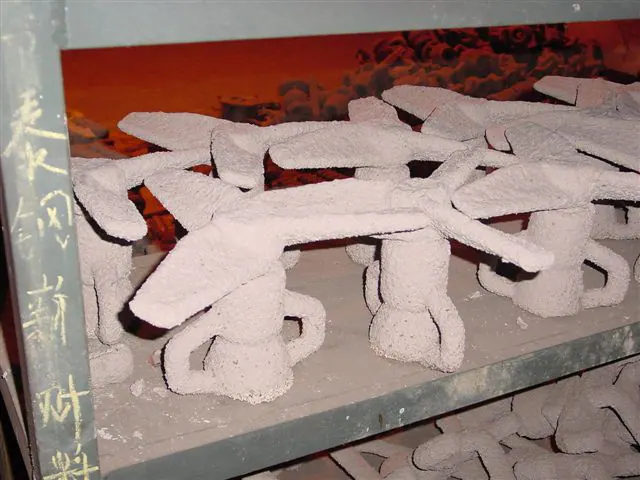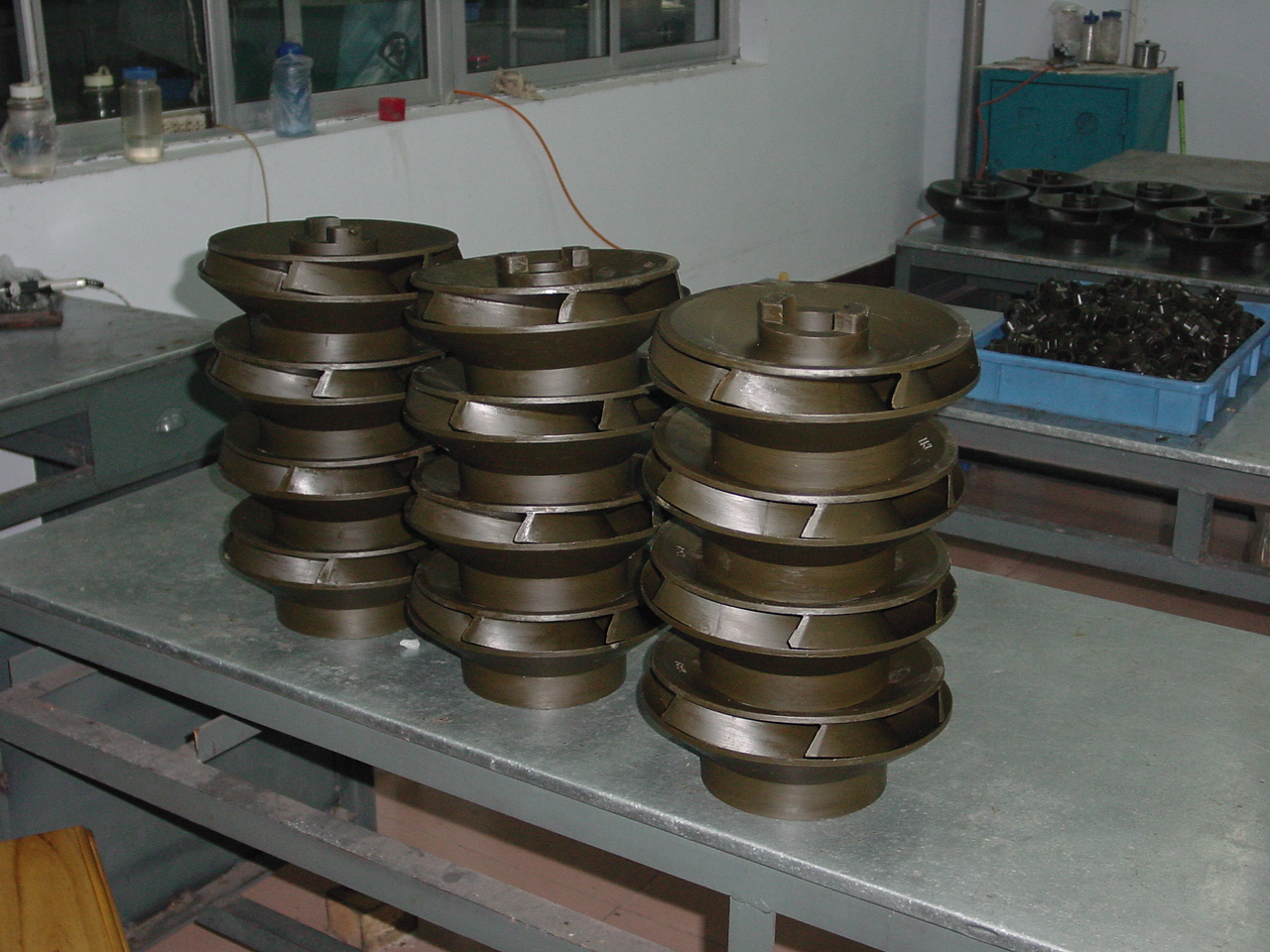

Would you like to have complex metal parts with fine details investment casting in China? This investment casting method makes shapes possible that are difficult or expensive with other casting techniques or machining. TOS selects a Chinese foundry based on alloy, part weight, dimensions, surface quality and batch size.
We organize the process from tooling and wax pattern to ceramic shell, casting, heat treatment and any CNC machining. The customer drawing remains the governing document and you will receive one all-in price for production, inspection, packaging and delivery. Also read our general explanation about verloren-was-gieten.

Wall thicknesses, radii, dimensional references and characteristics are reviewed for direct casting or subsequent machining.

The foundry is selected based on experience with steel, stainless steel or special alloys and the requested material condition.

Tooling, wax injection and dimensional compensation are matched to quantities, shrinkage and repeatability.

Tree layout, shell build and gating determine mould filling, yield and consistent quality.

Tooling, casting, finishing, inspection, packaging and transport form one delivery route.
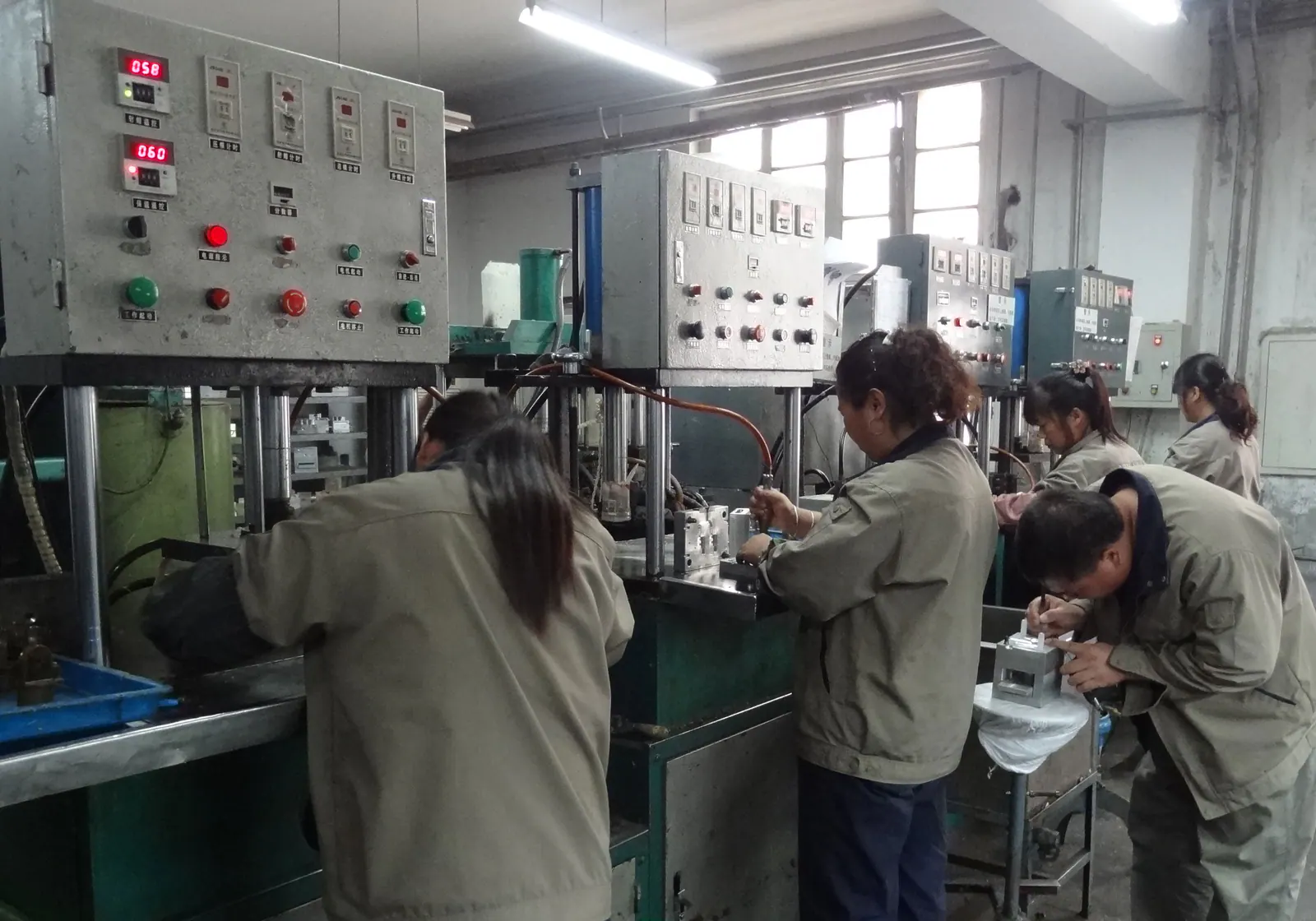
The cost price consists of more than the metal weight. The tooling for the wax pattern, the number of parts per casting tree, the ceramic shell, the casting efficiency, cutting, grinding and heat treatment also count. The technique can be advantageous when complex shapes are largely created in one casting step.
TOS assesses the complete part, including quality control, CNC machining and finishing up to the agreed delivery condition.
Lost wax casting in China is especially interesting for recurring series of relatively complex parts. The investment in tooling and process preparation can then be distributed, while fine details and a neat surface come directly from the casting process.
For large, simple parts, sand casting may make more sense; For very high numbers of aluminium parts, high-pressure casting may be a better fit. That is why we assess geometry, material, quantities and total delivery costs. The all-in quote also includes packaging, transport and import handling.

Material, critical dimensions, quantities and desired delivery condition form the technical basis.

We choose based on alloy, part weight, size range, scaling process and available finishing.

Tools, shrinkage compensation, sprues and placement on the casting tree are coordinated.

The first article is reviewed for dimensions, material, surface and machined features.

Casting, heat treatment, finishing, inspection, packaging and transportation are planned.
A wax pattern receives multiple ceramic layers. After removing the wax, a precise bowl is created into which the metal is poured. This allows fine contours, logos and difficult-to-reach shapes to be produced close to the final shape. The technique is used for steel, stainless steel and special alloys. After casting, sprues are removed and parts can be blasted, ground, heat treated, polished or coated. Fitting surfaces, bores and threads can then be applied via CNC machining.
The customer drawing remains the basis for production and control. We record certificates and additional examinations in advance.
For new or complex cast parts, a physical prototype can first be made to assess the shape, fit and assembly. With prototyping and 3D printing design choices can be inspected early, before investing in tools for the wax patterns.
The customer drawing, alloy, quantities, critical dimensions and desired finish form the basis. We then select a suitable Chinese precision foundry and coordinate mould, wax patterns, ceramic shell, test casting, control and international delivery as one route.
Supply the measured customer drawing, quantities and desired delivery condition. A STEP file helps with complex shapes; the drawing remains leading.
Is there no usable production drawing, but there is an existing part, model or example? Then TOS can provide the necessary engineering. We can measure or 3D scan the part and develop it into a production-suitable CAD model and a dimensioned drawing. For investment casting, we take into account, among other things, casting shrinkage, releases, subsequent CNC machining and the structure of the casting tool. You approve the detailed product data before production preparation starts.
Record material standard, condition, heat treatment and certificates. We test whether the foundry has mastered the alloy.
We select based on alloy, part weight, size range, scaling process, batch size and available finishing.
The tooling for the wax pattern is compensated for shrinkage. Sprucing and ejection are adjusted for dimensional stability.
wax patterns are placed on a casting tree. Position, sprues and ceramic layers determine filling and efficiency.
The wax is removed and the ceramic tooling is fired and preheated for a clean, dimensionally stable mould.
After pouring and cooling, the shell is removed. The parts remain on the casting tree for further processing.
Parts are cut off, ground and where necessary heat treated, blasted, polished or CNC machined.
Critical dimensions and material data are inspected. Reports and NDT are carried out when agreed in advance.
We coordinate protection, packaging, transport and import. Tools are managed for repeat orders.
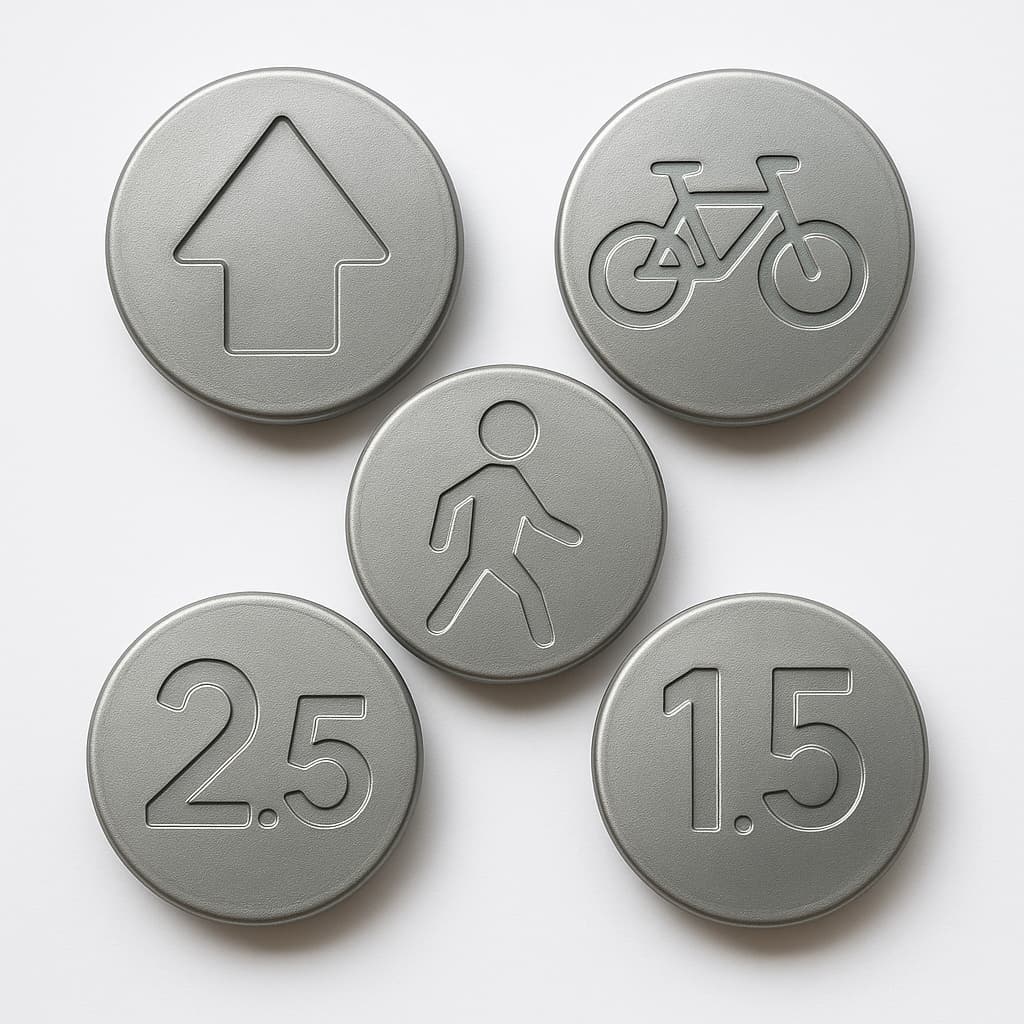
For a regular customer, we produced a series of stainless steel road nails used to mark walking and cycling routes.....
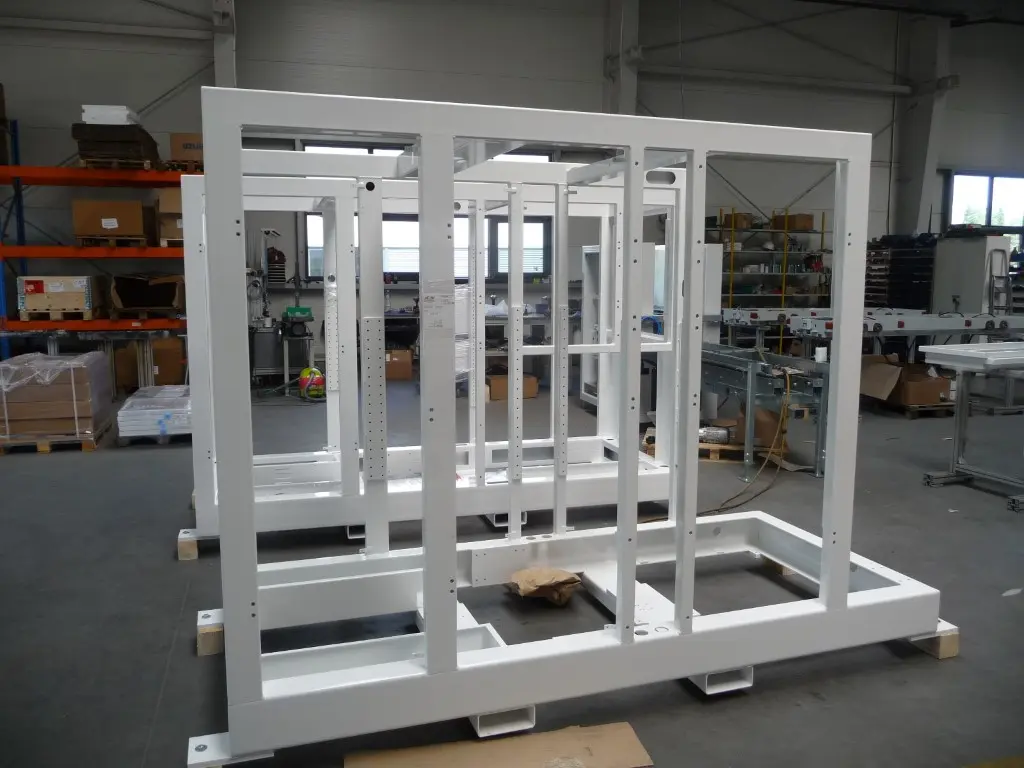
For a client in the packaging industry, we produce complete, custom-made machine frames that serve as the foundation for high-quality....
Commonly used materials are steel, stainless steel and special alloys. The exact alloy and heat treatment will be confirmed per request.
The method can be interesting for smaller series due to its complex form, but is best suited for recurring numbers.
The accuracy and surface quality are generally better than with sand casting. The achievable level depends on geometry, dimensions and alloy.
CNC machining is often required for bearing seats, sealing surfaces, precise bores, threads and critical fits.
Send drawing, STEP file, material, quantities and delivery condition and indicate critical dimensions, finishing and checks.
Technical request
Upload a PDF, DWG or STEP/STP file and receive a detailed response about manufacturability, the production route and your request for quotation.