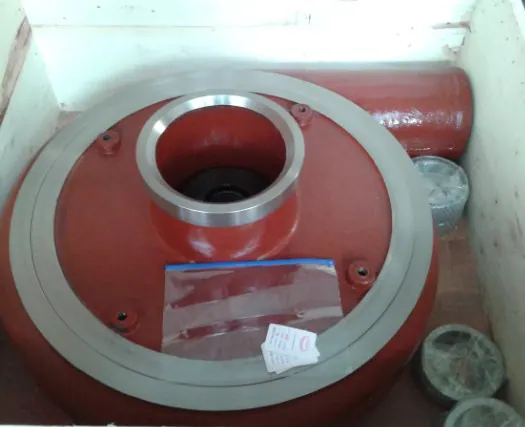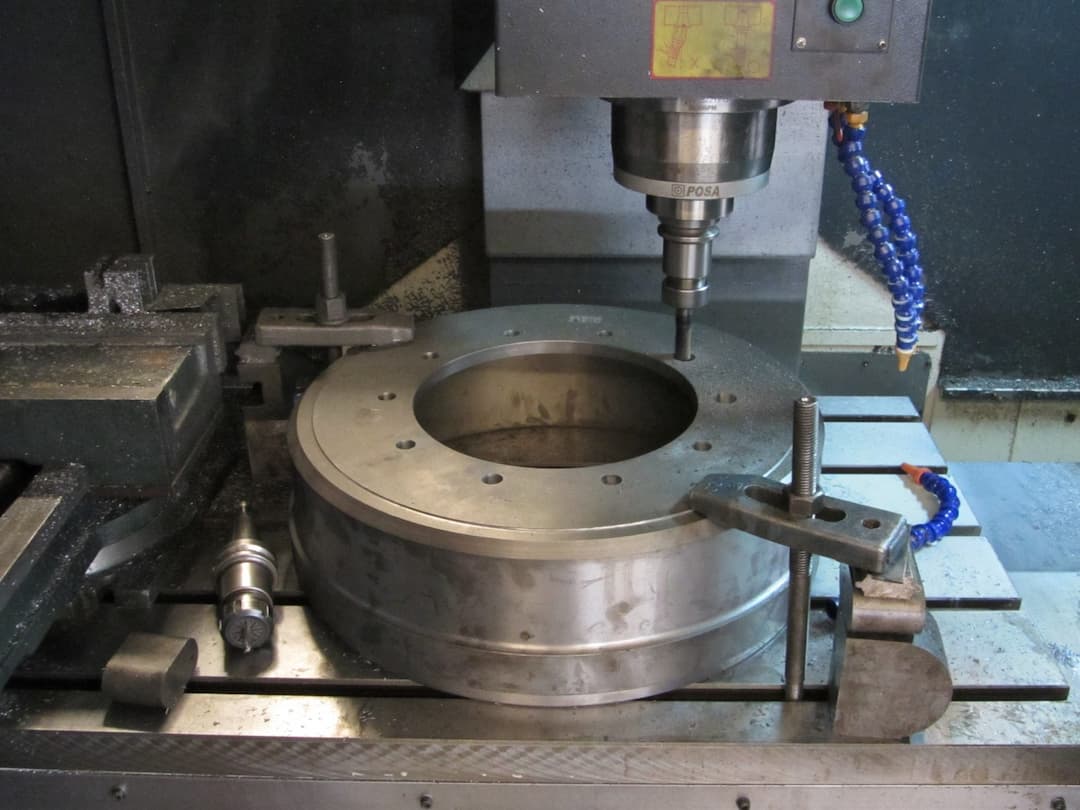

A cast part often only achieves its precise fit during finishing. TOS organizes CNC machining of castings in China as part of one production route. We coordinate casting allowances, clamping, dimensional references and control with the foundry and machining partner.
This is possible for sand casting, lost-wax casting, high-pressure castings and mold castings. Bores, bearing seats, sealing surfaces, threads and mounting surfaces are machined according to the customer drawing. Also view our general options for CNC machining.

We define the casting and machined surfaces from which critical dimensions are referenced.

The casting design must include enough material to machine all dimension-critical faces cleanly after clamping.

Mould, cores and parting lines are reviewed for stable clamping and tool access.

Casting quality and visible imperfections are considered for turned or milled faces.
Casting, CNC machining, cleaning, inspection, protection, packaging and transport form one delivery route.
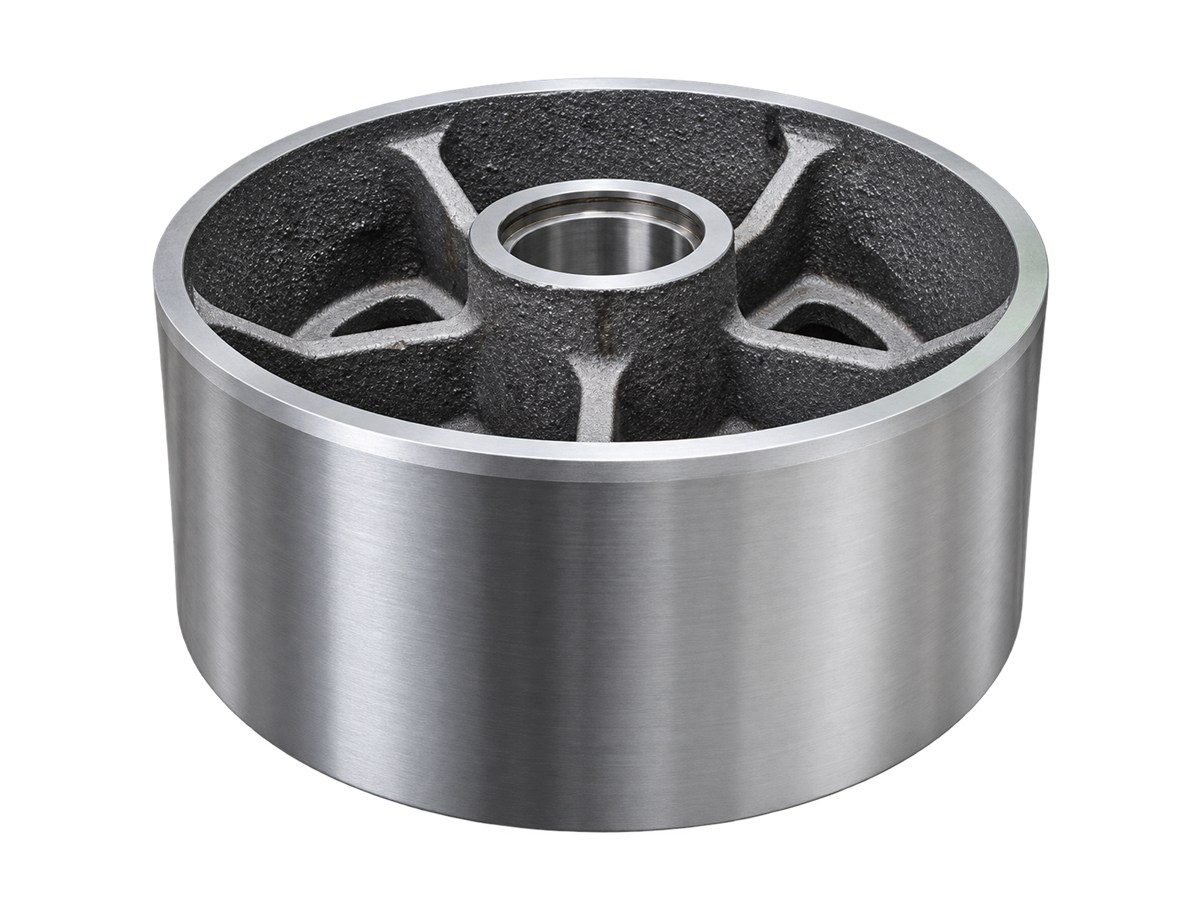
An unfavorable reference, too small allowance or unstable fixture can cause additional machining passes and scraps. Material hardness, interrupted cuts, tool wear and the number of fixtures also determine the costs. That is why we do not assess casting and machining as separate steps.
TOS tailors the casting to the later CNC route and includes the agreed dimensional control, cleaning, protection and delivery.
China can be interesting when casting and CNC machining are combined in recurring series. The rough casting part is then produced close to the final shape, while only functional surfaces and features are accurately machined.
The best route differs per product. Sometimes one foundry can do both casting and machining; sometimes we select a specialized machinist. In both cases you will receive one all-in price and one Dutch contact person.

Fittings, bores, sealing surfaces, threads and mounting surfaces are named from the drawing.

We choose based on casting method, material, part size, machine range and measuring options.

Machining allowance, dates, clamp points and machining sequence are reviewed before production.

The first processed casting part is inspected for agreed dimensions and functional characteristics.

Casting, machining, cleaning, inspection, protecting, packaging and transport are planned.
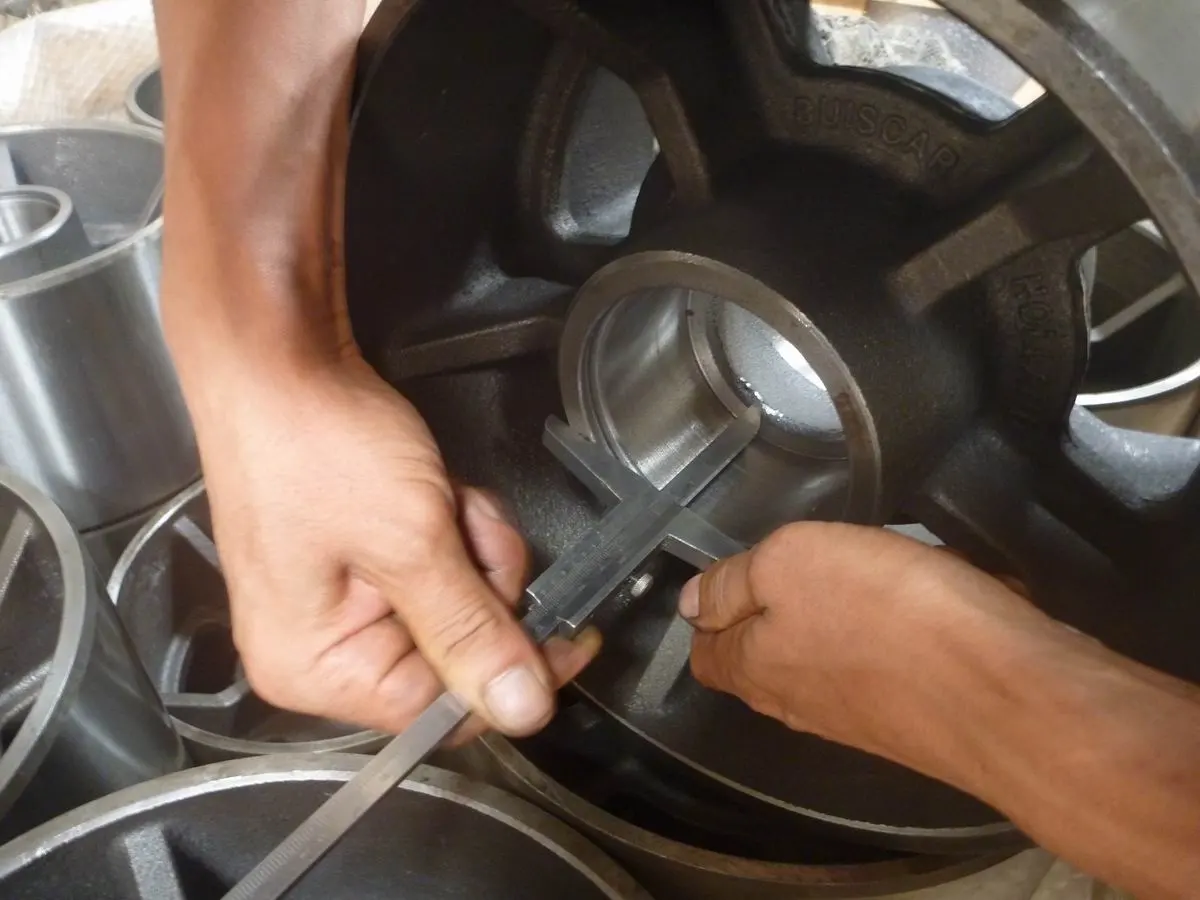
Casting makes complex volumes and hollow shapes possible; CNC machining then applies local accuracy. By properly combining both processes, less material can be removed than when completely machining solid material. Clear dates and sufficient allowance on machined surfaces are important. The fixture must be able to accommodate casting variation without critical features shifting relative to each other. Where necessary, partners use product-specific molds or fixtures.
After processing, parts can be deburred, cleaned, preserved, coated and mounted. The customer drawing remains the governing document for the final inspection.
The customer drawing, the rough casting model, material, quantities and critical dimensions form the basis. We then coordinate the foundry, machining partner, fixture, measurement plan, protection and delivery as one route.
We compare the rough casting model with the final drawing and determine which surfaces, holes and contours will be processed after casting.
Even without a complete customer drawing, we can start when an existing casting part, example or model is available. TOS can 3D scan, record and develop the part with clear dates, fits and processed surfaces. After your approval, this development forms the basis for casting, clamping and CNC machining. Read more about 3D designs.
Dates, fittings, position requirements and mutual relationships are clearly recorded. The customer drawing remains the governing document.
We check whether sufficient material is available and whether heat treatment or straightening can influence the dimensions before CNC.
The partner is chosen based on material, dimensions, weight, machine capacity, tools and measuring equipment.
Clamping points, reference surfaces, number of fixtures and tool range are reviewed in advance.
A first casting is clamped and machined. This practically confirms allowances, accessibility and process choices.
The first article is measured for agreed characteristics. A measurement report will be provided if this has been agreed in advance.
During the series, tool wear, clamping and critical dimensions are monitored according to the control plan.
After machining, chips and coolant are removed. Parts can be preserved, coated, marked or mounted.
Worked surfaces are protected. Packaging, transport, import handling and delivery are included in the all-in route.
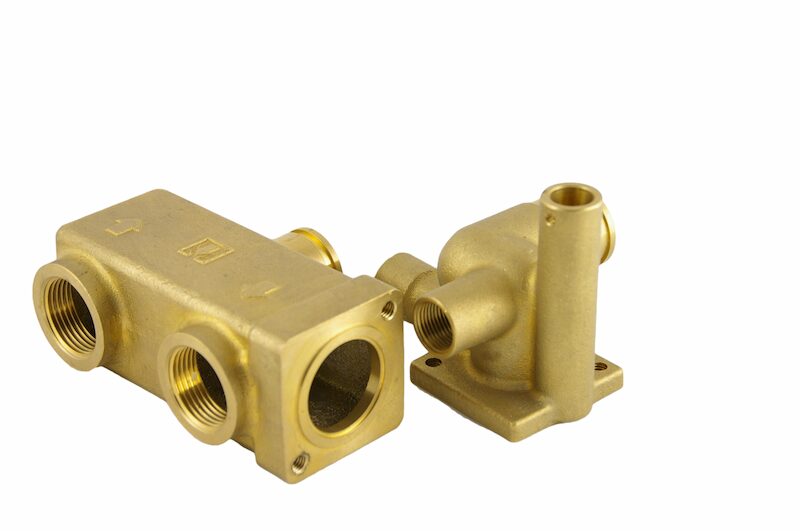
For a client in the heating technology industry, we produce high-quality brass castings for use in technical installations. These components....
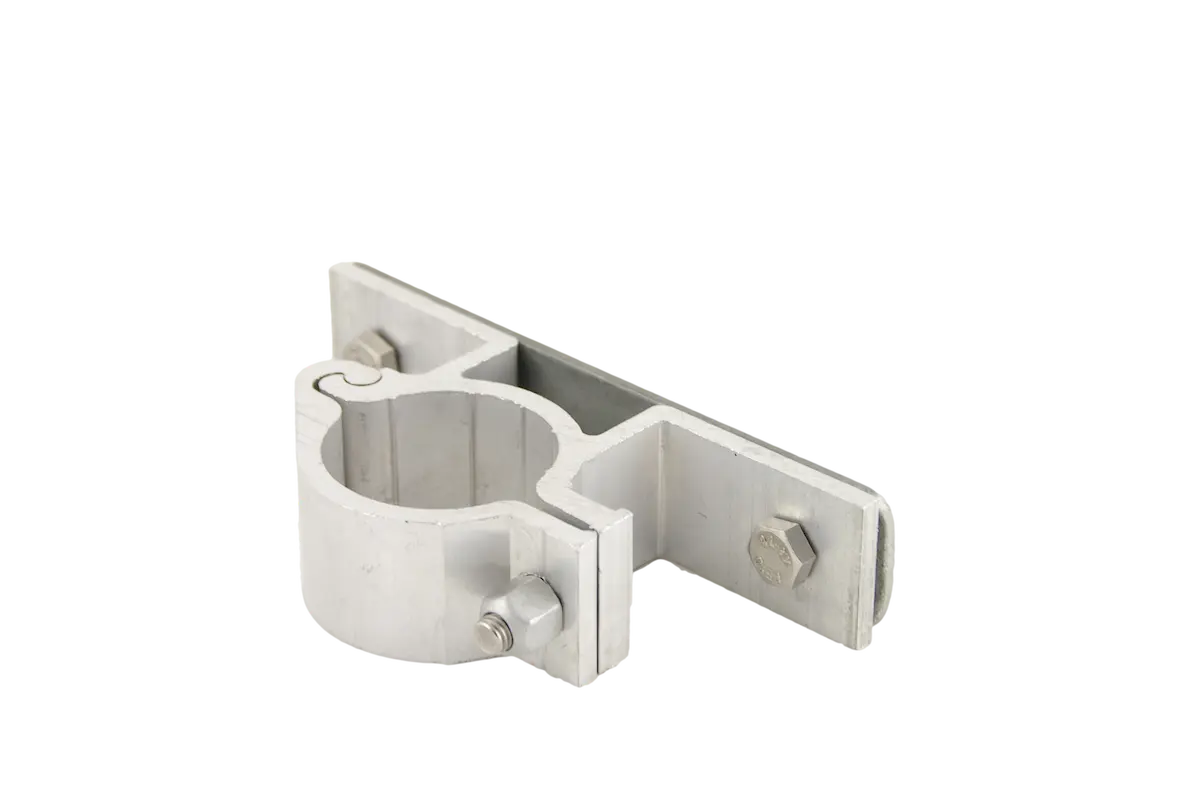
For a client in the infrastructure sector, we developed a sustainable aluminium extrusion clamp used for the installation of traffic....
Sand castings, precision castings, high-pressure castings and mold castings can be post-processed, depending on material, dimensions and required accuracy.
The required allowance depends on casting method, part size, plane, material and process variation. This is technically determined per product.
Sometimes yes. When a specialized CNC partner is a better fit, TOS organizes both suppliers within one production route.
Critical dimensions are inspected according to the customer drawing with appropriate measuring equipment. Measurement reports and additional documentation are agreed in advance.
Send final drawing, rough casting model or STEP file, material, quantities and critical dimensions, plus desired finish and inspection.
Technical request
Upload a PDF, DWG or STEP/STP file and receive a detailed response about manufacturability, the production route and your request for quotation.