
Keep the manufacturing advantage through to your warehouse

Transport from Bulgaria: plan, consolidate and deliver

A competitive manufacturing price only has value when your parts are available at the right time. For transport from Bulgaria, TOS therefore reviews the full delivery pattern: what can leave together, how much stock is needed and how much loading space does the shipment require? We match the logistics of your manufacturing order to your consumption in Western Europe, from compact batches of parts to larger assemblies and machines.

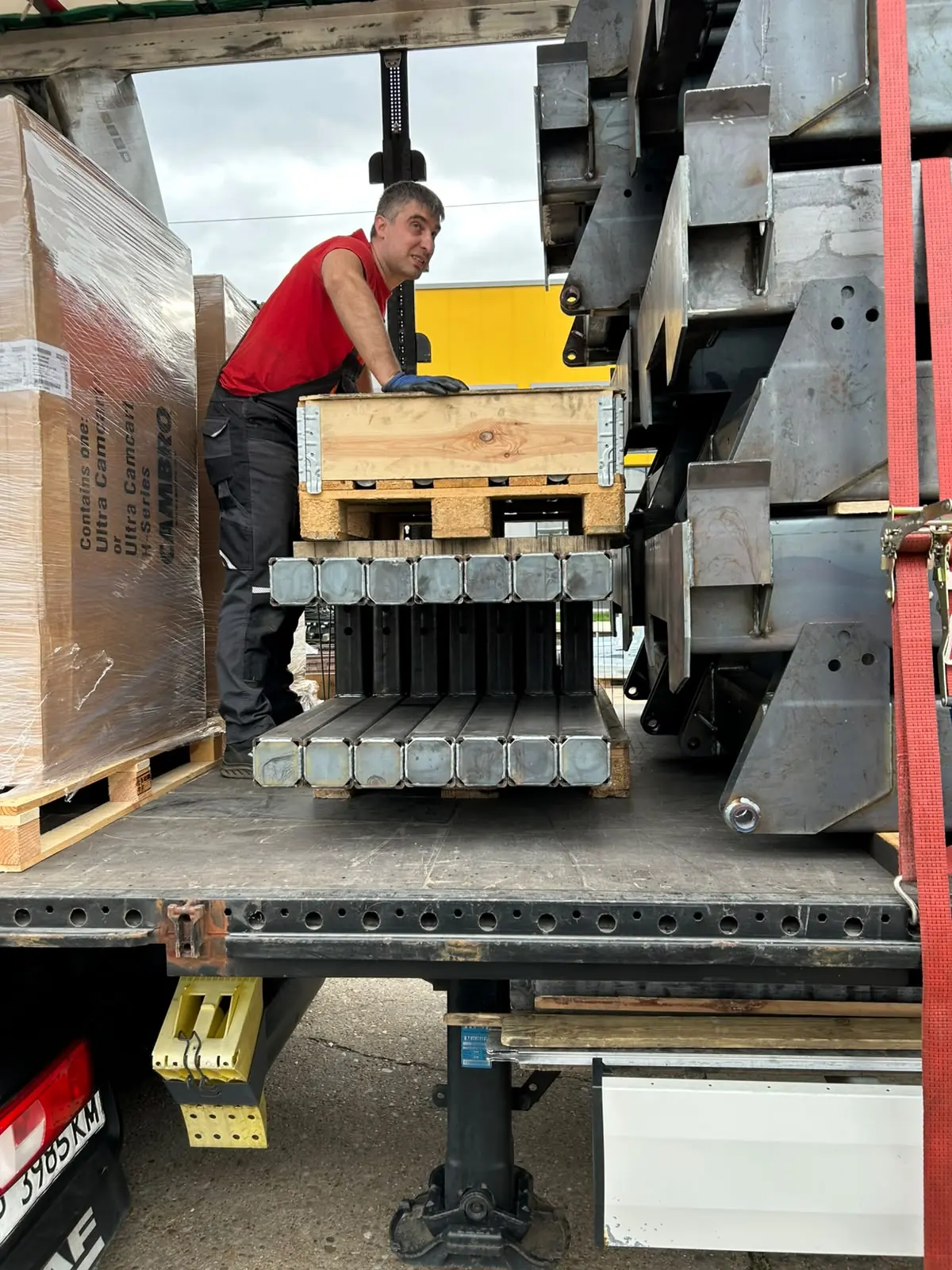
Stalen frameonderdelen en kokerprofielen laden in een vrachtwagen voor transport vanuit Bulgarije

Five choices that keep delivery manageable

Use call-offs as the starting point

Match the shipping rhythm to your actual consumption.

Assess loading space

Include packed dimensions and stackability in the quotation.

Consolidate deliberately

Balance freight savings against waiting time and extra stock.

Release before collection

Complete inspection, quantities and packaging before the trip.

Prepare receipt

Agree unloading equipment, time window and identification in advance.
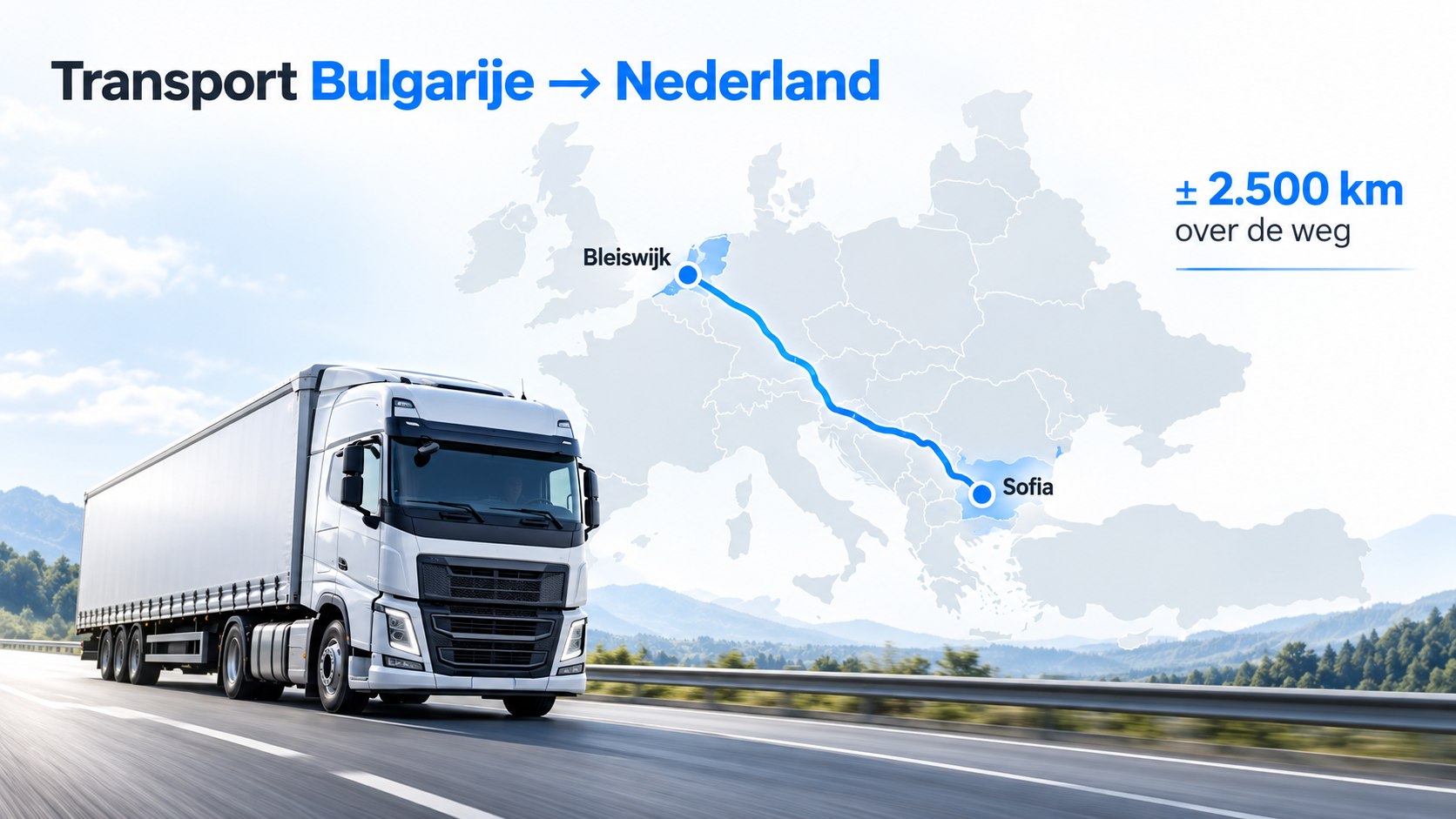
Vrachtwagen met routekaart van Sofia in Bulgarije naar Bleiswijk in Nederland, circa 2.500 kilometer over de weg

The delivery rhythm starts with your consumption

For manufacturing in Bulgaria, the shipping plan deserves attention from the quotation stage. A larger production batch does not have to arrive at your warehouse all at once. We discuss call-offs, space at the manufacturer and the desired receiving stock so production and delivery quantities are aligned deliberately.

Consolidation can reduce freight cost per part but requires sufficient time and reliable readiness reporting. Holding a shipment for one missing item can disrupt your schedule. We therefore define which parts must arrive together and when a separate delivery is sensible.

The road from Bulgaria to Western Europe is generally longer than from Poland. Extra loading space, urgent trips or many small shipments can therefore have a greater impact on total cost. Labour-intensive manufacturing may still offer an advantage, but that must emerge from the combination of production, packaging, transport and stock.

For short call-off cycles, transport from Poland may fit better. In comparison with China, mode of transport, inbound lead time and buffer stock also matter. The country comparison therefore starts with your complete delivery need, not a single freight price.

Gelaste stalen constructie tijdens productie in Bulgarije met technische tekening

From production plan to a workable shipment

1. Translate consumption into demand

Map required quantities and receiving dates.

2. Build delivery batches

Determine which products should leave together or separately.

3. Confirm packaging

Record outer dimensions, weight and protection.

4. Release collection

Align readiness reporting and transport.

5. Adjust the next call-off

Use delivery experience for the next production order.
Match packaging to part, frame or machine

For finished CNC parts, compartmentalisation, clearly identified sets and protection of fitting surfaces can be important. With sheet metal assemblies, we assess whether interlayers and support prevent contact damage or distortion.

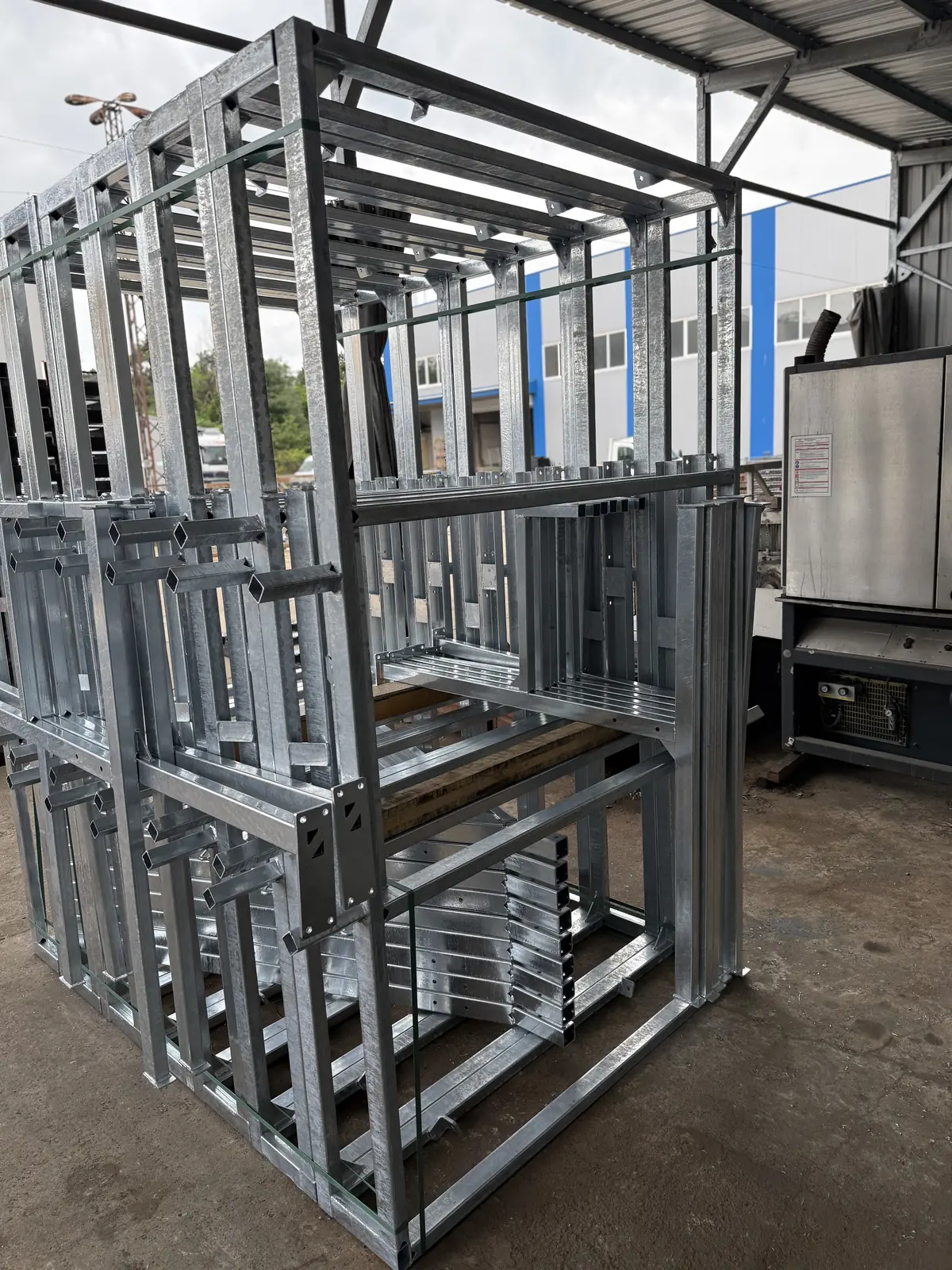
Welded frames often take up more space than their weight suggests. Stacking, nesting or using a transport frame is only possible if the product allows it. For machines and assemblies, we discuss transport position, removable parts and accessible lifting points. Packed outer dimensions form the basis of the transport enquiry.

When does the Bulgarian delivery route fit?

Ten agreements before departure from Bulgaria

The carrier can only plan correctly when quantities, packaging and readiness information are accurate. TOS links these data to the agreed quality control before shipping. The agreements below help prevent a rejected, incomplete or incorrectly packed batch from being collected.

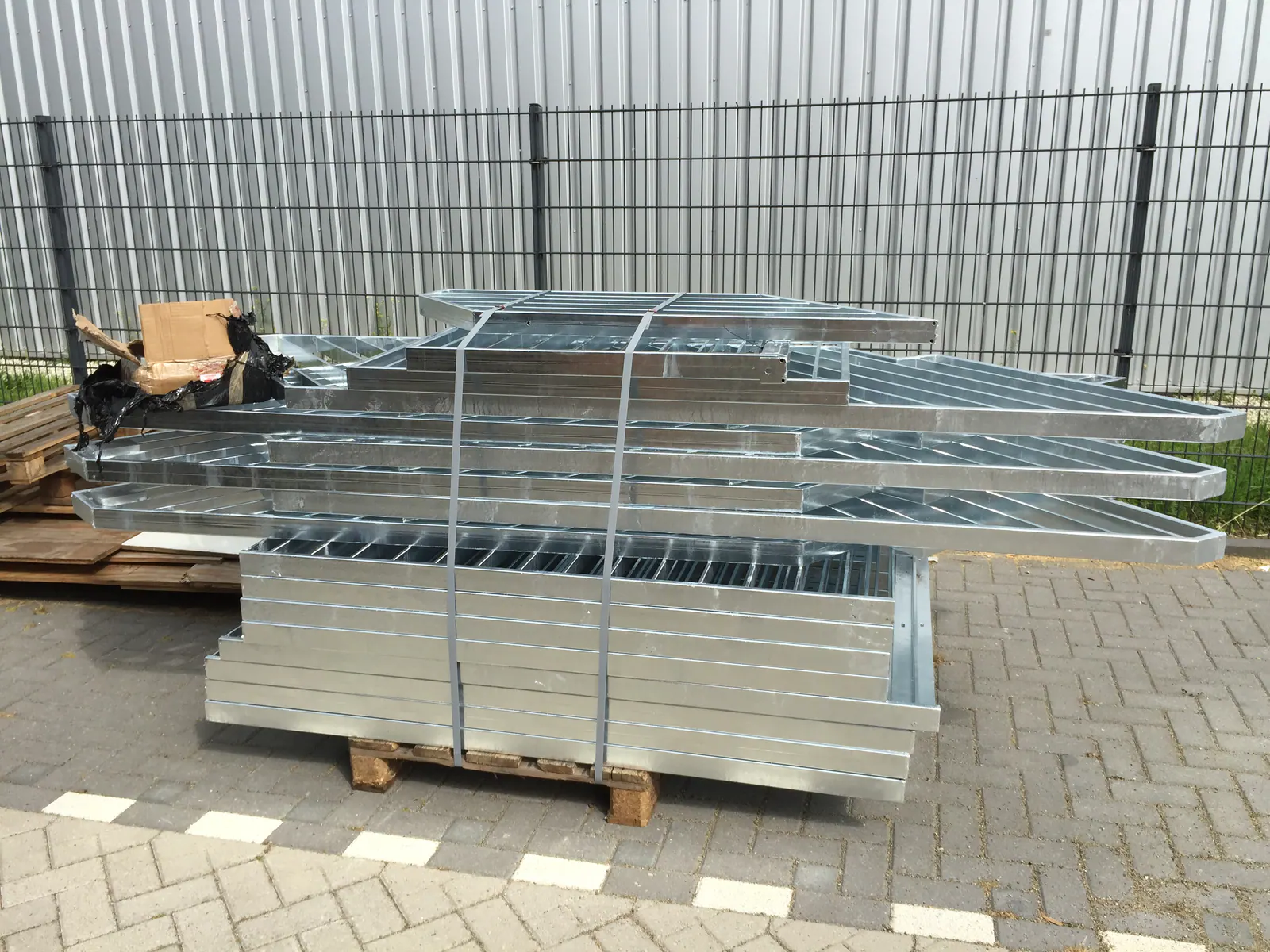
Gebundelde verzinkte stalen frames gereed voor transport vanuit Bulgarije

Discuss how many parts you use per period and what buffer is workable. Include storage space and the consequences of a delayed delivery.

Define the quantities produced in one series and the quantities shipped together. Agree where finished goods may remain and who tracks the stock.

For each packing unit, record outer dimensions, gross weight, quantity and stackability. State protruding parts and handling restrictions.

Match packaging to contact damage, distortion and planned handling in transit. Assess whether crates, interlayers or a special carrier are needed.

Discuss whether batches can wait for each other without affecting your production. Balance the benefit of combined transport against stock, waiting time and any extra handling.

Have the agreed inspections, quantities and identification confirmed before collection is finalised. A finished product is not automatically ready for shipment.

Define where and how the goods can be loaded. Discuss available equipment and unusual dimensions with the parties involved before the trip.

Confirm who is responsible for packaging, loading, transport and unloading. Any additional agreements on cover or special handling are made explicit in advance.

Ensure the recipient knows what is arriving and has suitable unloading equipment. Inspect the shipment on receipt and report deviations using clear data and photographs.

Use experience with loading, protection and call-offs to adjust future orders. Changed packaging or product execution may require a new transport assessment.

Examples from our manufacturing projects

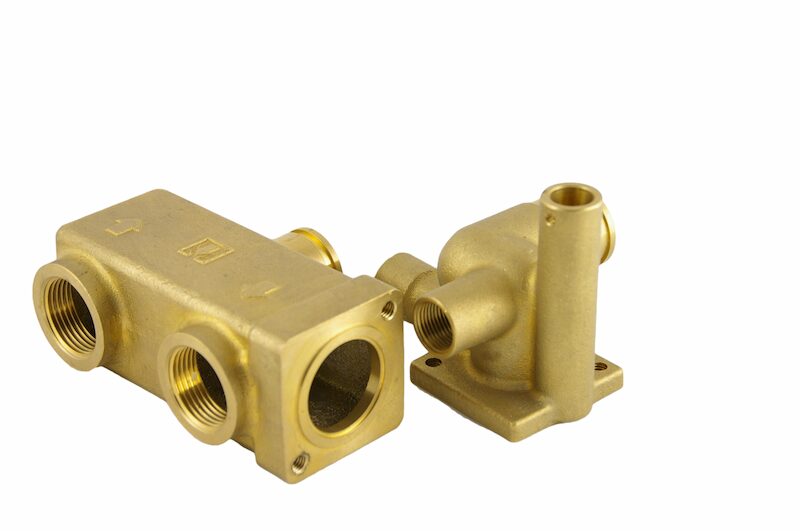
Brass Cast Parts for Heating Technology

For a client in the heating technology industry, we produce high-quality brass castings for use in technical installations. These components....

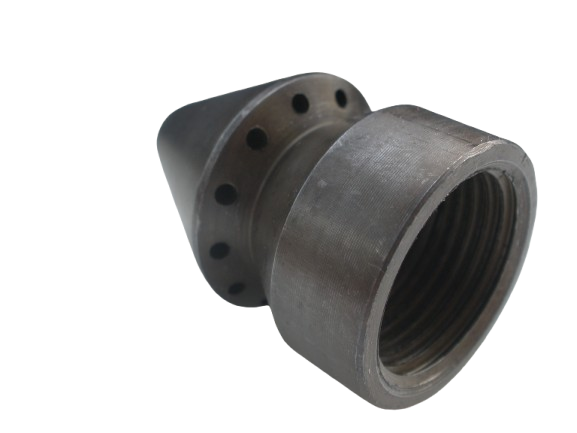
Hardened Nozzles for Self-Propelled Sprayers: Wear-Resistant, Premium Custom Engineering

For a client specializing in self-propelled sprayers, we manufacture special spray nozzles that must withstand high pressure, chemical loads, and....

Questions about transport from Bulgaria

Is transport from Bulgaria more expensive than from Poland?

The greater distance to Western Europe can result in higher freight costs. The actual outcome depends on loading space, addresses, loading and delivery rhythm. Compare production and logistics together, per delivered unit.

This is assessed per order. Products must be available at a suitable time and transportable together. Coordination between locations or extra transhipment can reduce the benefit of consolidation.

There is no fixed lead time for every shipment. Readiness, route, mode of transport and required delivery are agreed per order. Treat production time, release and transport as separate parts of your planning.

We assess whether a partial delivery is possible and what additional freight and handling it requires. Define in advance which parts are critical to your schedule and when separate shipping is justified.

This requires an assessment of packed dimensions, weight, transport position and loading and unloading options. Shipping in modules may be more practical. Special loads are agreed separately; standard transport is not assumed automatically.