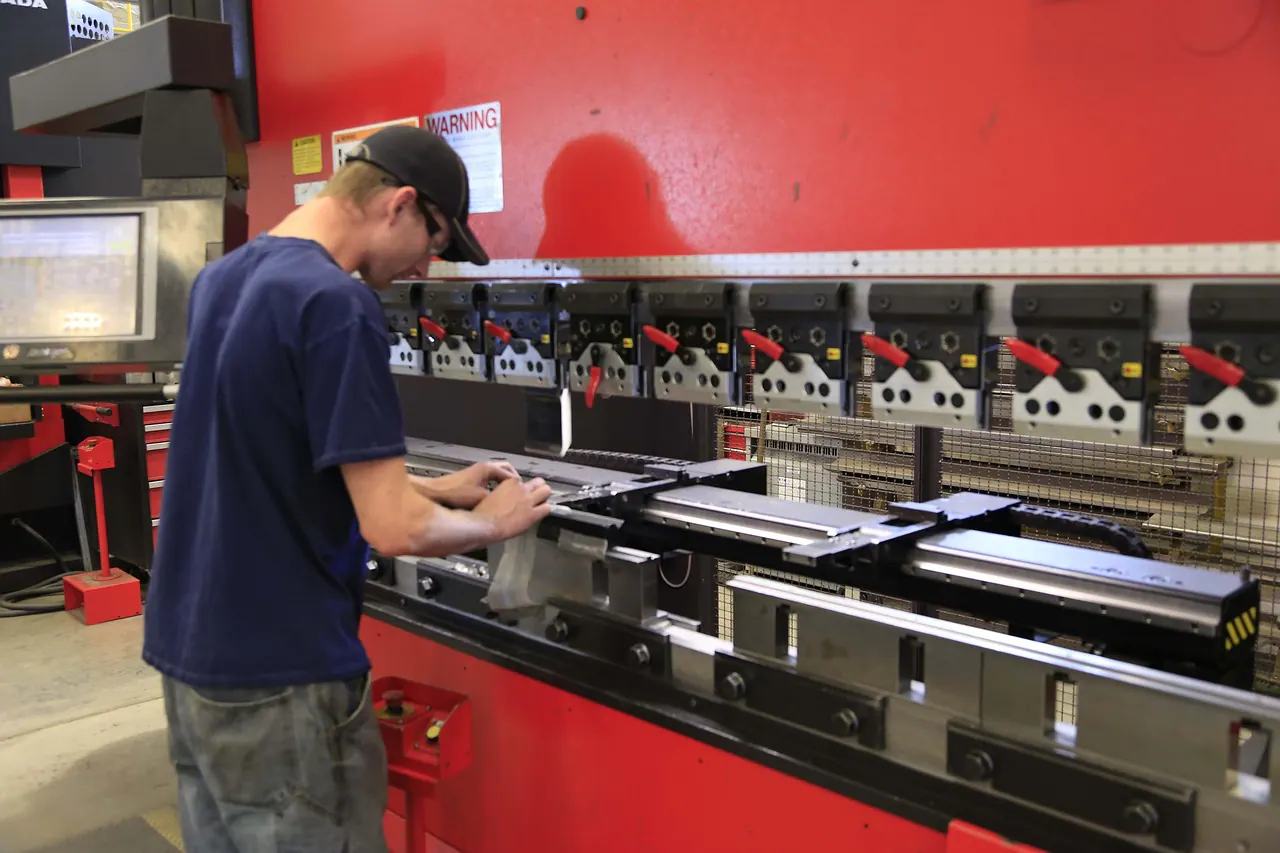

Looking to have sheet metal parts bent in Bulgaria? TOS selects a manufacturing partner from its Bulgarian network based on material, sheet thickness, bend length, part dimensions, quantities and required follow-up processes. Your drawing remains authoritative; a 3D model supports the review of the final geometry and bend accessibility.
Parts can be produced in steel, stainless steel and aluminium, among other materials. Press brake bending can be combined with laser cutting, drilling, welding, surface treatment and assembly. You receive one total price for the agreed route, including inspection, packaging and transport, with one central point of contact.

We review dimensions, angles, flanges, radii and mating surfaces from your drawing and an available 3D model.

Sheet thickness, material grade, rolling direction and springback are considered in the selected manufacturing route.

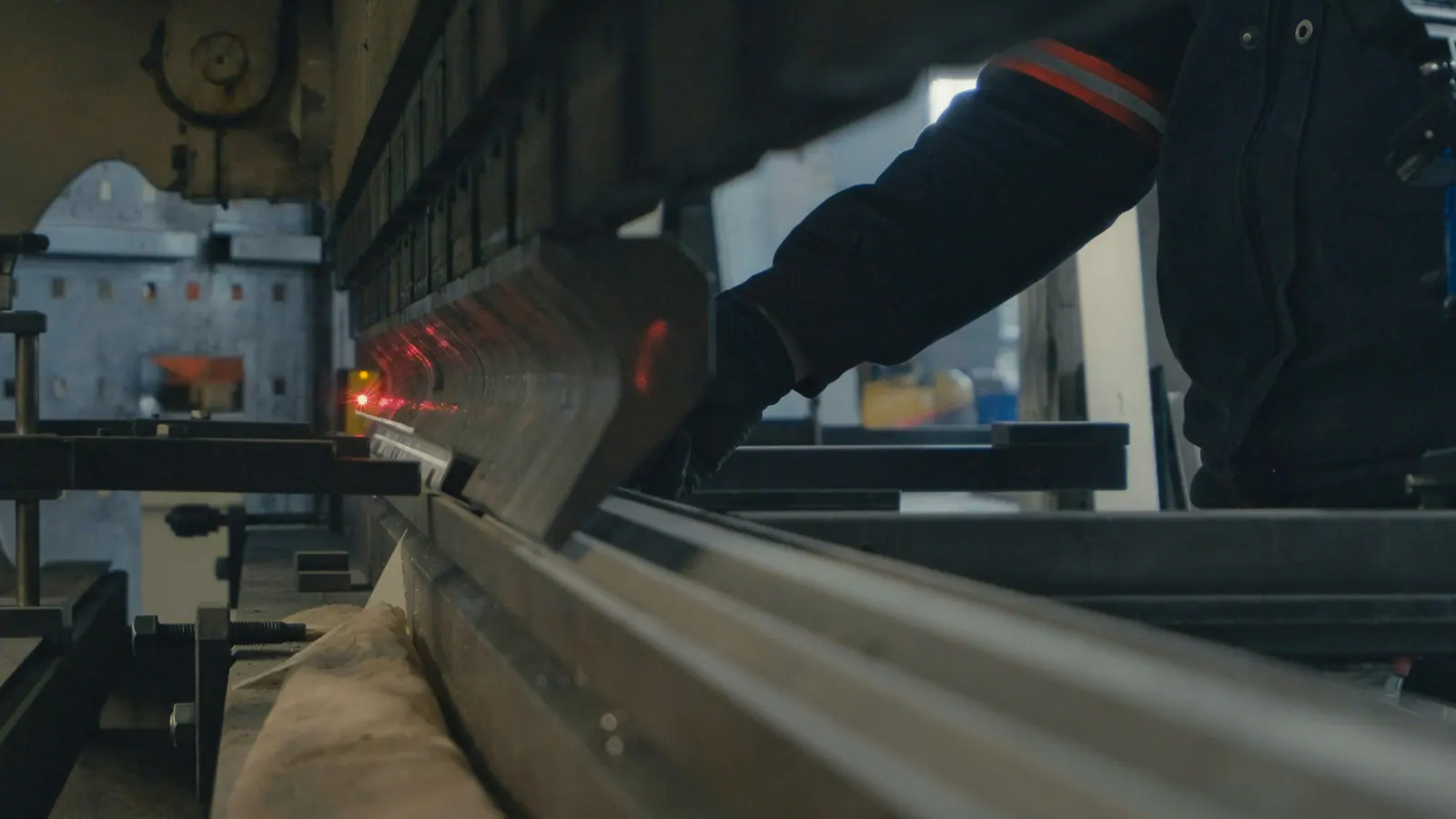
Accessibility, press brake tooling and the order of bends determine whether the final geometry can be produced without collisions.

Inspection focuses on angles, distances and interface dimensions that matter for assembly or further processing.
Protection, stacking, packaging and transport are matched to the geometry of the bent part.
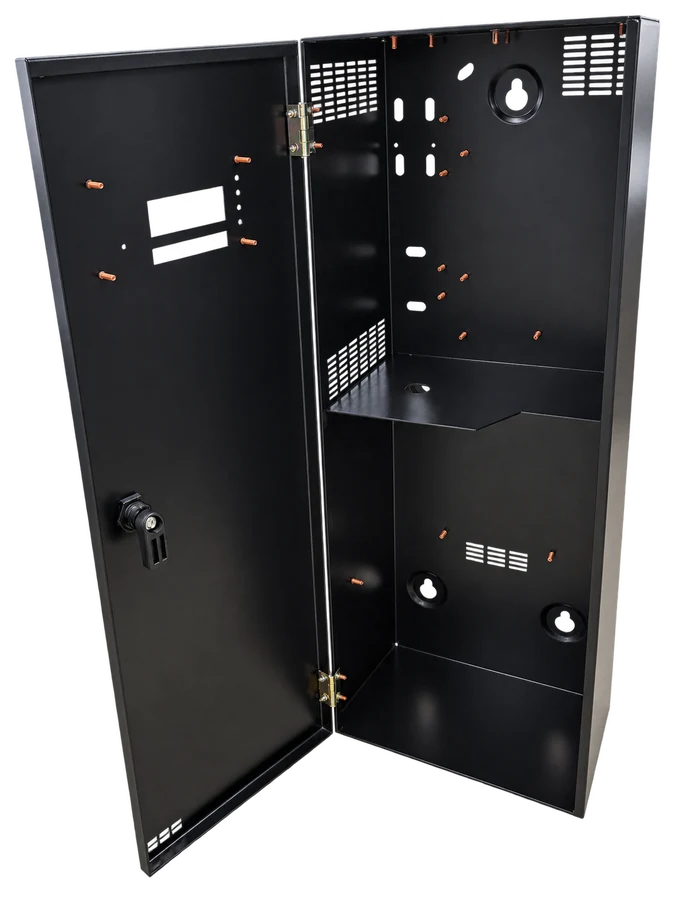
On a part with several flanges, every bend affects access for the next operation. Short flanges, deep shapes or closed profiles may require different tooling or an adjusted bend sequence. We therefore assess the entire part geometry, not just each individual angle.
Springback also varies by material and sheet thickness. The Bulgarian partner adapts the programme, tooling and process accordingly. The customer drawing remains authoritative for the dimensions and angles of the delivered bent part.
A bent part often needs more loading space than the flat blank. Stackability, vulnerable flanges and scratch protection are therefore considered in the quotation. Manufacturing in Bulgaria can be attractive for planned series where setup, turning, inspection and follow-up operations account for a meaningful share of labour.
TOS compares the complete route. The total price includes the agreed cutting and bending, any follow-up processes, inspection, packaging and transport to your site.

Material, sheet thickness, quantities, radii, angles and interface dimensions form the basis of the quotation.

We select by press brake capacity, tooling, material expertise, follow-up processes and available capacity.

Cut geometry, bend lines, tooling and accessibility are prepared as one coherent route.

For a new product, we agree which angles, distances and interface dimensions are checked before the series starts.

Stacking, interlayers, labels, packaging and transport are matched to your receiving and assembly process.
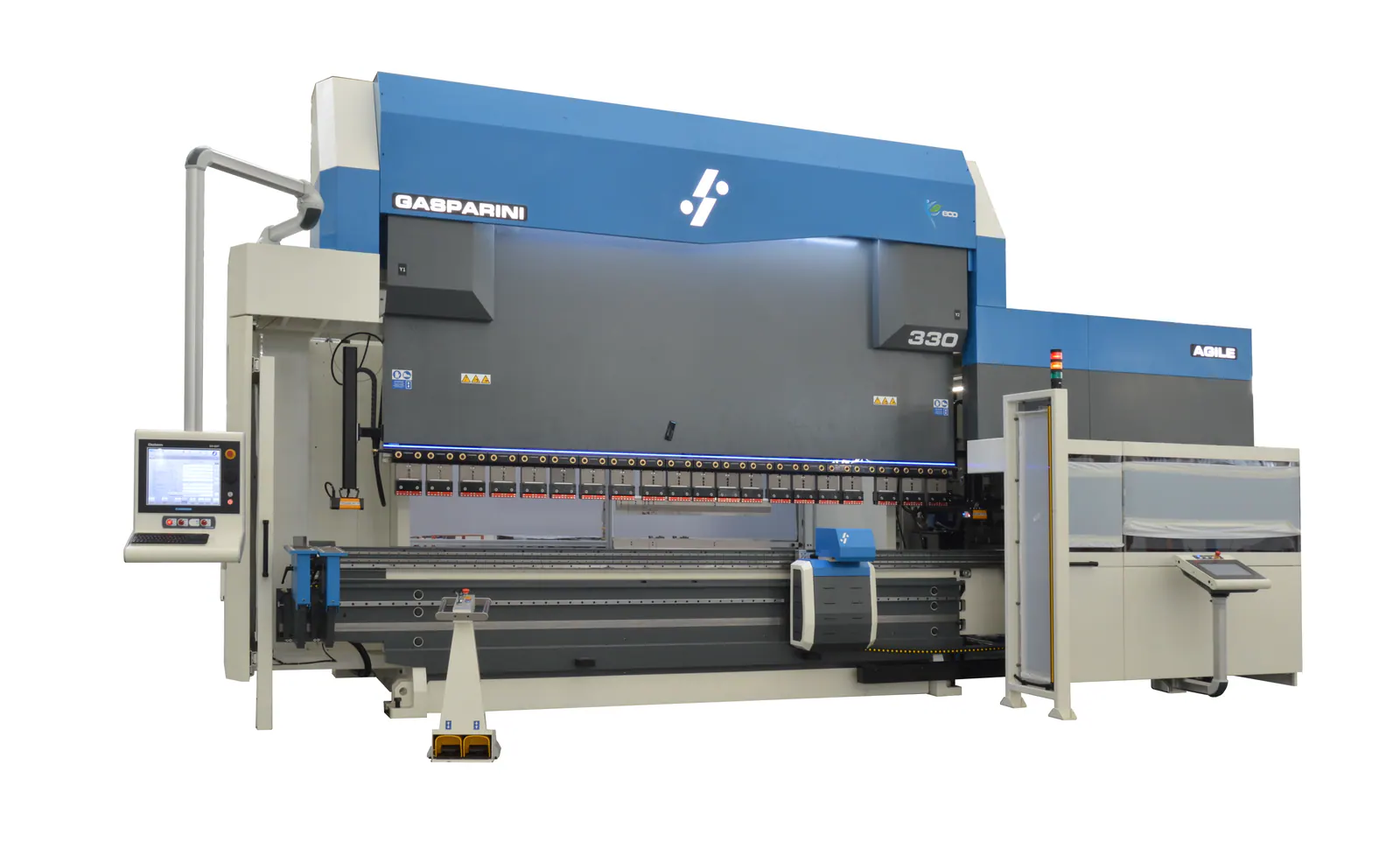
Bent parts start with the correct flat pattern. Holes and slots must account for bend lines, radii and possible deformation. We therefore align the preceding laser cutting in Bulgaria with the bending process and tooling.
After bending, drilling, tapping, welding or surface treatment can follow. Functional surfaces and fits are protected or, where necessary, finish-machined after treatment. For products with several sheet metal parts and processing steps, read more about complete sheet metal parts from Bulgaria.
For every enquiry, TOS selects a suitable partner for steel, stainless steel or aluminium and coordinates the full route with manufacturability, inspection and delivery in mind.
Customer drawing, 3D model, material, sheet thickness, quantities and required delivery condition form the starting point. TOS combines cutting, bending, possible follow-up processes, inspection, packaging and transport from Bulgaria into an executable route.
We assess quantities, order frequency and variation for each bent part. A mix of many different shapes requires a different setup from one regularly repeated component.
Provide a dimensioned customer drawing and, where possible, a 3D model of the final geometry. Mark functional faces, angles and interface dimensions that are critical to assembly.
Material, sheet thickness, required radius and rolling direction affect bending behaviour. The manufacturing partner determines how springback is compensated within the process.
The combination of press brake, tooling and bend sequence must keep every bend accessible. Short flanges, deep shapes and previously formed sides are also assessed.
The flat pattern is matched to the material, radius, tooling and required final geometry. Cutting and bending are therefore prepared as consecutive manufacturing steps.
For a new product, we agree which first bent parts are inspected. The focus is on angles, distances between flanges and interfaces with other components.
During the series, the functional features that matter for fit and assembly are monitored. Inspection frequency is agreed per product and order.
Visible surfaces and edges may need additional protection. If welding, coating or assembly follows, we define which surfaces and dimensions must be preserved.
Bent parts may be nested if this does not cause scratches, jamming or deformed flanges. Interlayers and bundle sizes are selected accordingly.
For repeat orders, we verify that the customer drawing, material, quantities and delivery agreements are unchanged. Any changes are reassessed before production.
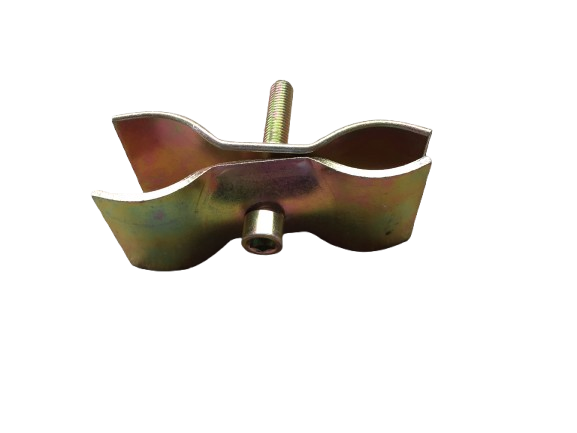
For a client who supplies construction fences, we produce a wide range of construction fence clamps in various sizes and....
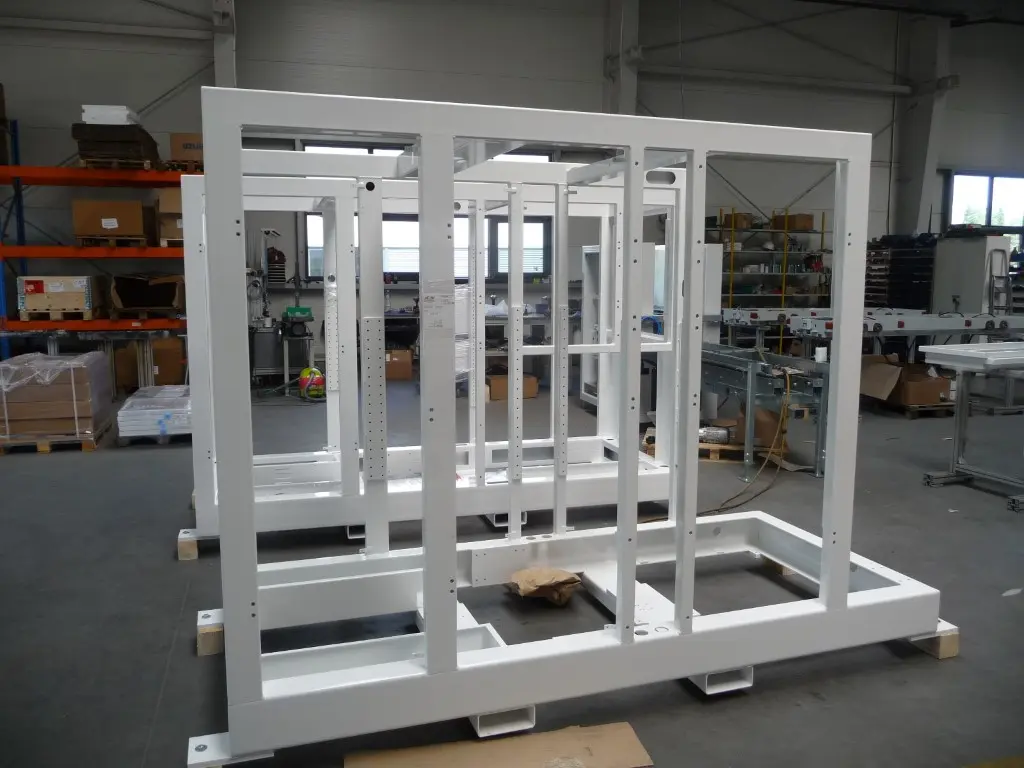
For a client in the packaging industry, we produce complete, custom-made machine frames that serve as the foundation for high-quality....
Bulgaria can be attractive for planned series with several bends, inspections and follow-up processes. The benefit depends on part complexity, quantities, material, setup work, packaging and transport.
Each geometry may require a different programme, tool and inspection plan. With many different products, preparation costs are spread over smaller quantities, which affects the price per part.
Not without technical review. The Bulgarian partner checks whether the flat pattern matches the material, radius, tooling and required final geometry. The customer drawing of the formed part remains authoritative.
The customer drawing is the basis for every order. If material, sheet thickness or geometry changes, we reassess the effect on flat pattern, tooling, bend sequence and inspection.
Yes. Bent sheet metal can require more loading space than flat blanks. Stackability, protection, units per package and transport are therefore included in the all-in quotation.
Technical request
Upload a PDF, DWG or STEP/STP file and receive a detailed response about manufacturability, the production route and your request for quotation.