
At TOS – Technical Outsource Solutions, we support companies in developing and producing high-quality castings. Sand casting is a versatile and flexible production technique that is ideal for both small series and larger components in various alloys.
We advise on design , material selection, and tolerances, and support you with prototyping and 3D drawings where needed. Thanks to our international network of specialized foundries, we can offer competitive prices, reliable delivery times, and a wide range of options. With TOS, you choose a single partner who manages the entire sand casting process – from design to post-processing and finishing.
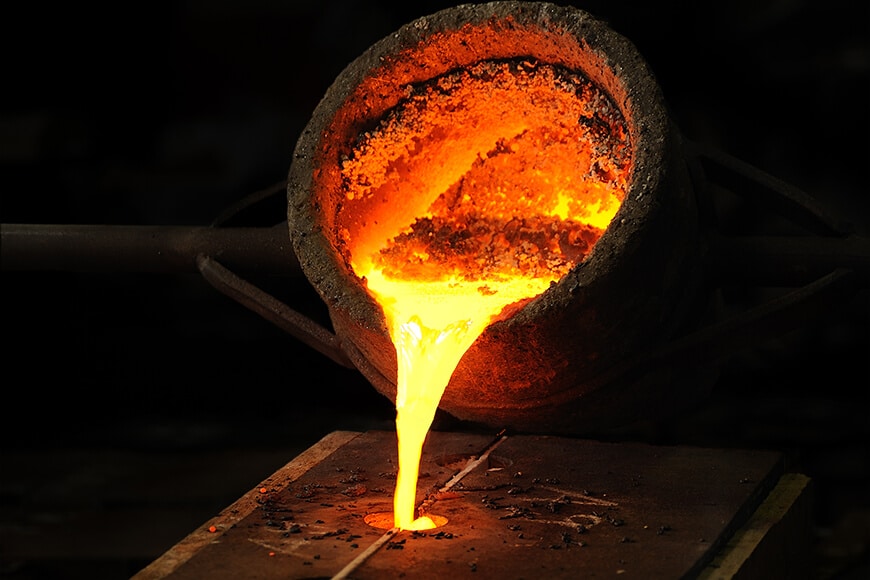





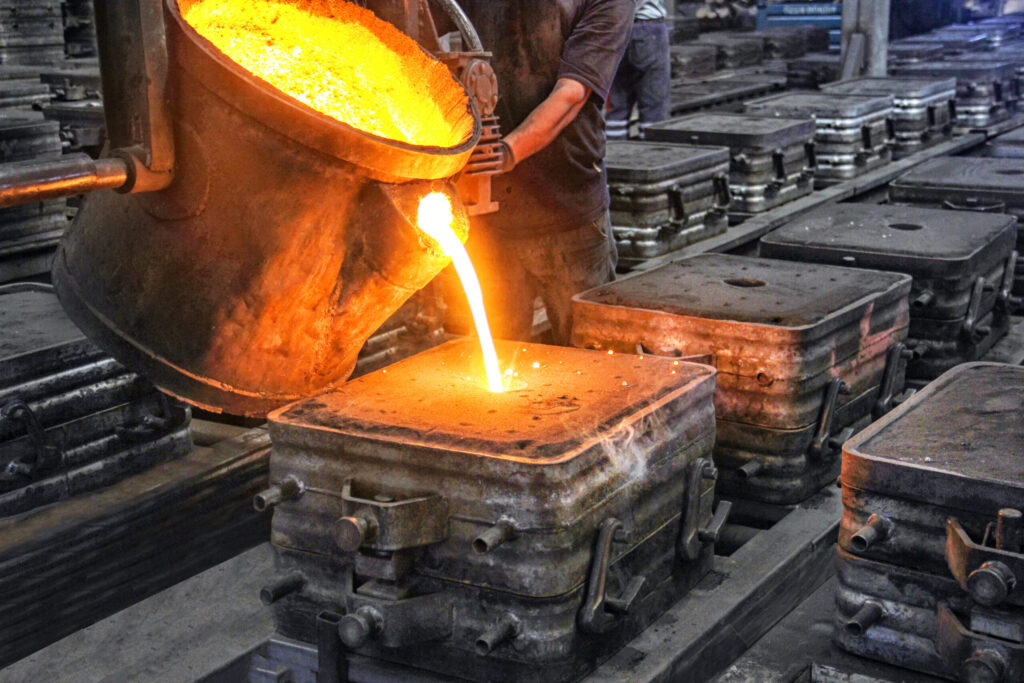
Sand casting is one of the oldest and most widely used casting techniques in the world. This process involves pressing a model into a sand mold, which is then filled with liquid metal. Once the metal has solidified, the sand mold is removed, leaving the cast part. Sand casting is highly flexible and suitable for a wide range of products: from small, complex parts to large castings weighing tens of kilograms.
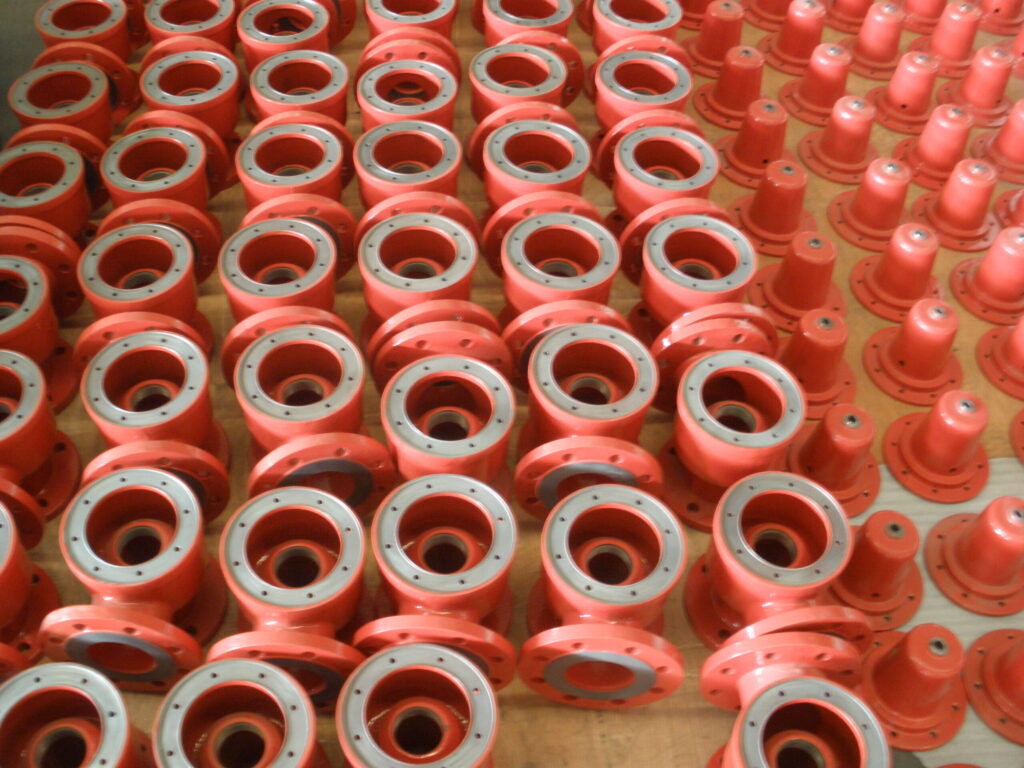
A key advantage of sand casting is its relatively low tooling costs. This makes this casting process attractive for both small and medium-sized production runs. Furthermore, various metals and alloys can be used, such as aluminum, cast iron, and steel. This versatility makes sand casting widely applicable in sectors such as mechanical engineering, automotive, pumps, and construction.
At TOS, we provide custom sand casting solutions. Depending on the application, we recommend the right alloy, molding technique, and tolerances. After casting, components can be further refined with CNC machining such as milling, drilling, or turning, ensuring each product perfectly matches its intended use.
We also offer additional surface treatments, such as wet painting , hot-dip galvanizing , electroplating , or E-coating , to enhance the durability and appearance of castings. Our integrated approach—from design and mold to sand casting, post-processing, and logistics—guarantees a reliable, efficient, and complete production process.

During this conversation we will briefly explain what we can do for you and answer your questions.

Based on your product and requirements, we request prices and delivery times from various suppliers.

We will then prepare a clear quote. Prices are quoted based on your terms and conditions.

Once you have approved our proposal, we will start making a prototype.

After approval of the prototype, the assignment will begin.
| Alloy | Properties | Strength | Corrosion resistance | Applications |
|---|---|---|---|---|
|
AlSi12 (Aluminium) |
Excellent castability, lightweight, good machinability |
Middle |
Good |
Automotive, machine parts, housings |
|
EN-GJL-250 (Cast iron) |
High compressive strength, wear-resistant, good damping |
High |
Moderate |
The pump, the engine block, the machine frames |
|
EN-GJS-400 (Spheroidal cast iron) |
Good tensile strength, toughness and fatigue resistance |
High |
Moderate–Good |
Valves, gears, structural parts |
|
Steel (various qualities) |
Very high strength, suitable for heavy loads |
Very high |
Depending on alloy |
Constructions, heavy machinery, lifting components |
|
Bronze (copper alloy) |
Wear-resistant, good sliding properties, corrosion-resistant |
Middle |
Good |
Bearing housings, marine, pump parts |
At TOS, we employ a clear and efficient step-by-step plan for sand casting. From intake and design to series production and delivery, we guide our clients through every phase. Thanks to our experience in model making, casting techniques, and post-processing, we deliver high-quality castings in various metals and alloys, with short lead times and reliable quality .
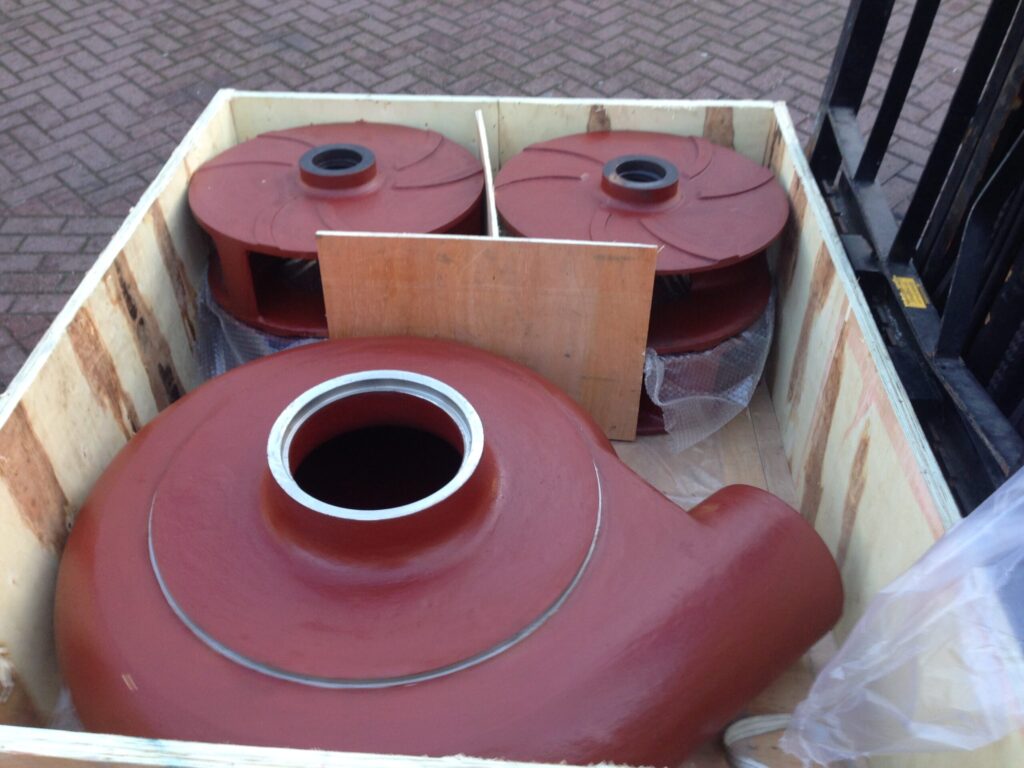
In sand casting, a smart design is essential. With DFM (Design for Manufacturing) advice, we optimize the model for castability, wall thicknesses, and tolerances. We also advise on the right alloy, such as aluminum, cast iron, or steel. These choices determine the quality, cost, and durability of the castings and make the process cost-efficient.
After the initial consultation and design optimization, the client receives a transparent quote. This quote details the costs for model and mold production, as well as the unit price for sand casting. We also create a clear schedule , so the client knows exactly what the lead time is and which milestones will be achieved along the way.
Although sand casting delivers excellent dimensional accuracy, post-processing is often required. This includes CNC milling , drilling, or turning for fit and functionality. At TOS, we efficiently coordinate these operations, ensuring that the sand castings fully meet the technical requirements and are immediately ready for assembly or end-use.
For added protection and appearance, we offer various surface treatments after sand casting. Depending on the application, castings can be blasted , powder coated , galvanized , or e-coated . This not only increases corrosion resistance but also gives the components a high-quality appearance that meets the customer’s requirements.
In the final step, the sand castings undergo visual and dimensional inspections . We also provide certificates and reports upon request. We then take care of customer-specific packaging and export preparation of the products. Thanks to our logistics services , including inventory management and customs clearance, we guarantee reliable and efficient delivery worldwide. In addition to production and processing, TOS also handles the assembly of components into complete modules. We then arrange customer-specific packaging, export documentation, and customs clearance. If desired, we keep products in stock and deliver just-in-time to you or your customer. By combining production, processing, assembly, and logistics, we take care of the entire process for you and guarantee an efficient and reliable process.
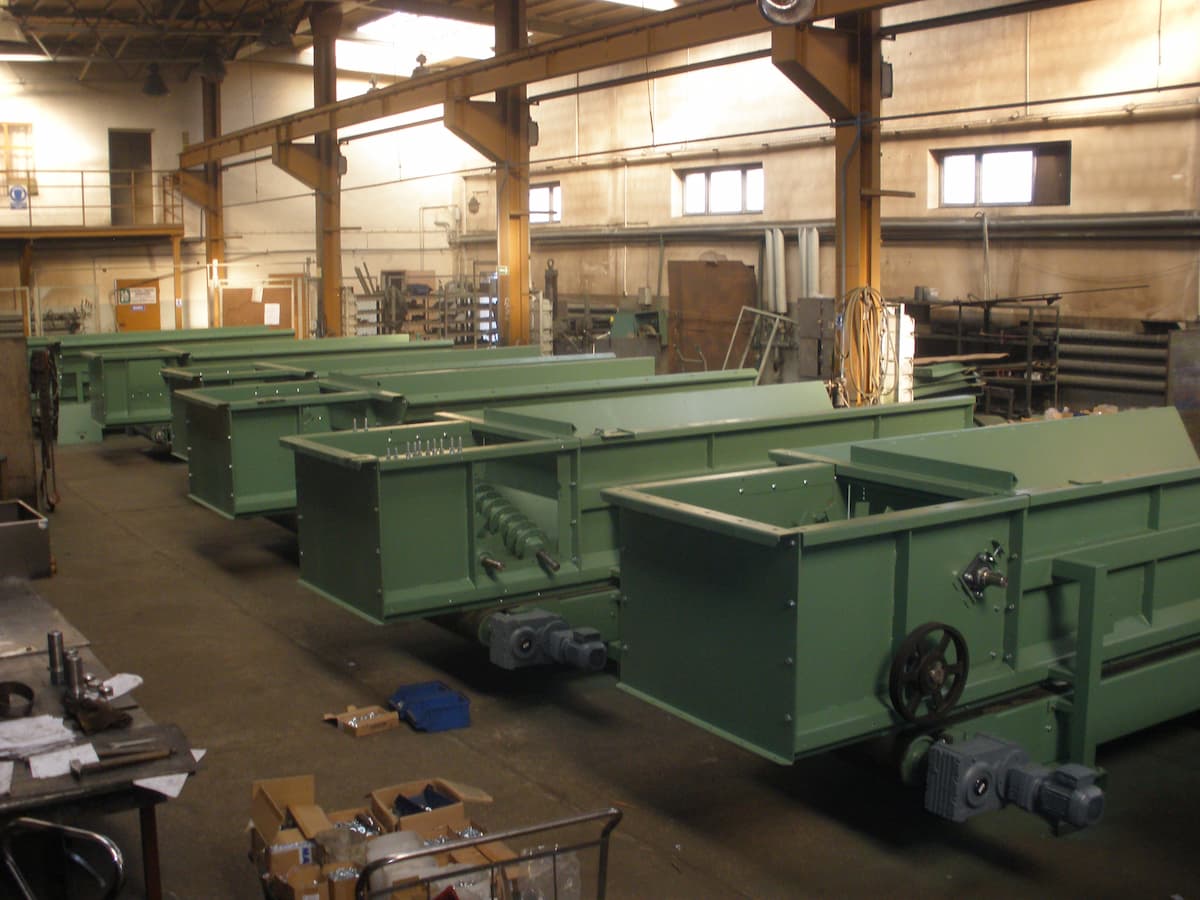
For a client in the agricultural and industrial sectors, we manufacture complete ground storage bunkers, constructed entirely of high-quality steel.....
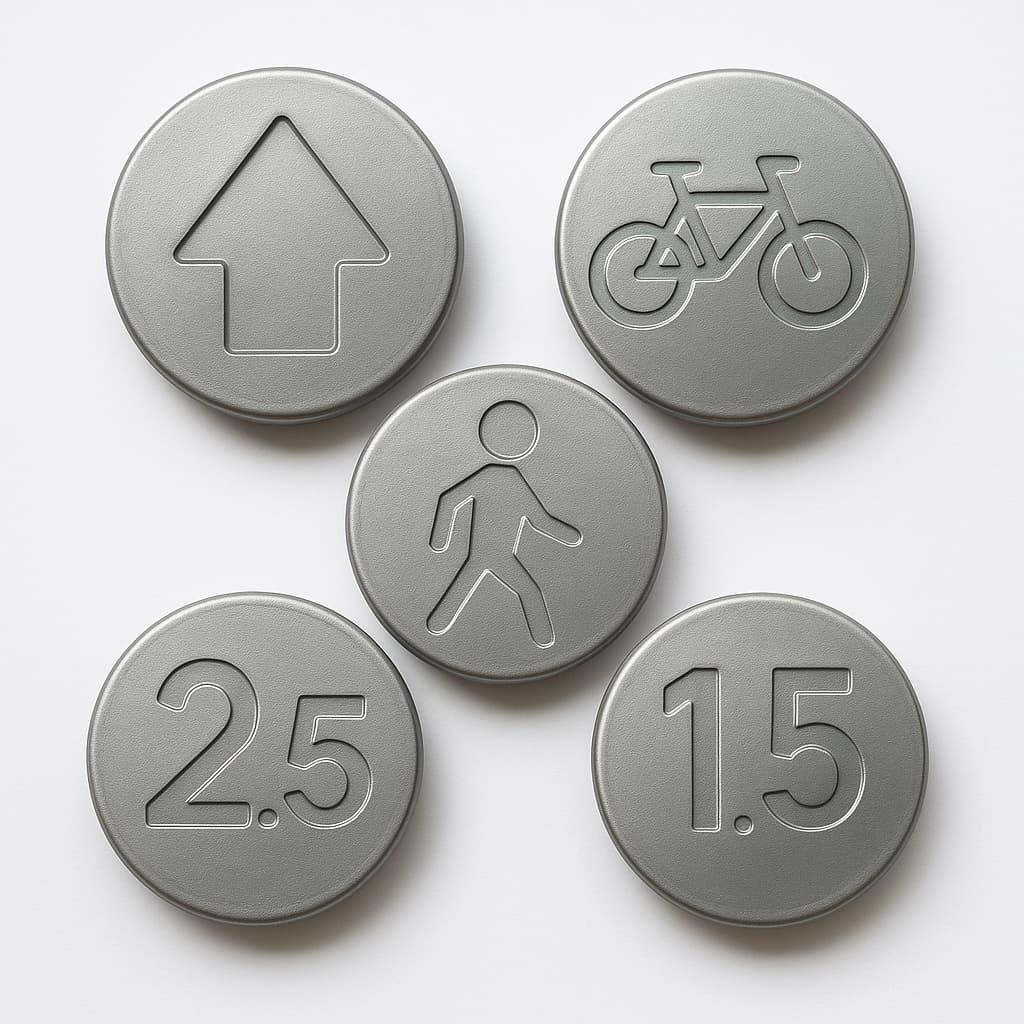
For a regular customer, we produced a series of stainless steel road nails used to mark walking and cycling routes.....
Because the mold costs of sand casting are relatively low, this process is particularly attractive for short runs and medium-sized series. It is therefore a cost-effective solution for customers who do not want to have expensive permanent molds made ( gravity die casting and high-pressure die casting ), but still require high-quality castings. Sand casting therefore offers an ideal balance between flexibility, quality, and price.
Yes, castings produced via sand casting can be perfectly post-processed using CNC techniques . Consider milling, turning, drilling, or tapping to achieve the correct dimensional accuracy and fit. At TOS, we ensure that the parts fully meet the required specifications after sand casting, so they are immediately ready for assembly or end use.
TOS is your complete production partner for sand casting. We manage the entire process: from model development and mold production to casting, CNC post-processing, surface treatments, and logistics . Thanks to our international network of foundries and processing partners, you benefit from competitive prices and reliable delivery times. With TOS, you have a single point of contact, clear communication, and guaranteed quality in every sand casting project.