
At TOS – Technical Outsource Solutions, we support companies in the production of high-quality castings using gravity die casting. This casting method allows for the creation of precise and strong components in aluminum and other non-ferrous metals. Due to the higher dimensional accuracy and smooth surfaces, less post-processing is often required than with sand casting .
We advise you at every stage: from design, material selection, and tolerances to series production and finishing. Thanks to our international network of specialized foundries, you benefit from competitive prices, short delivery times, and flexible production runs. TOS is your complete partner for mold design, production, and surface treatment.
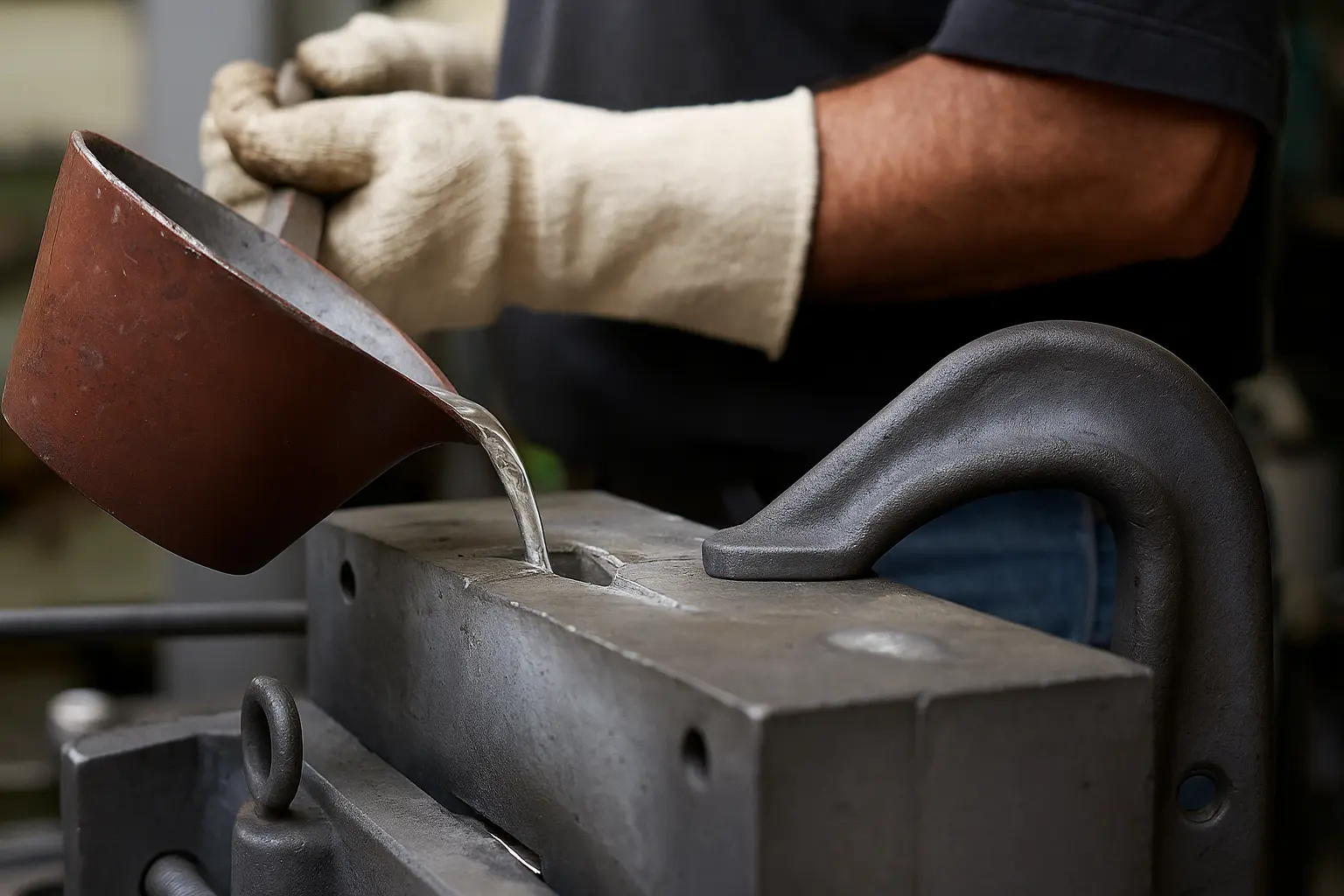





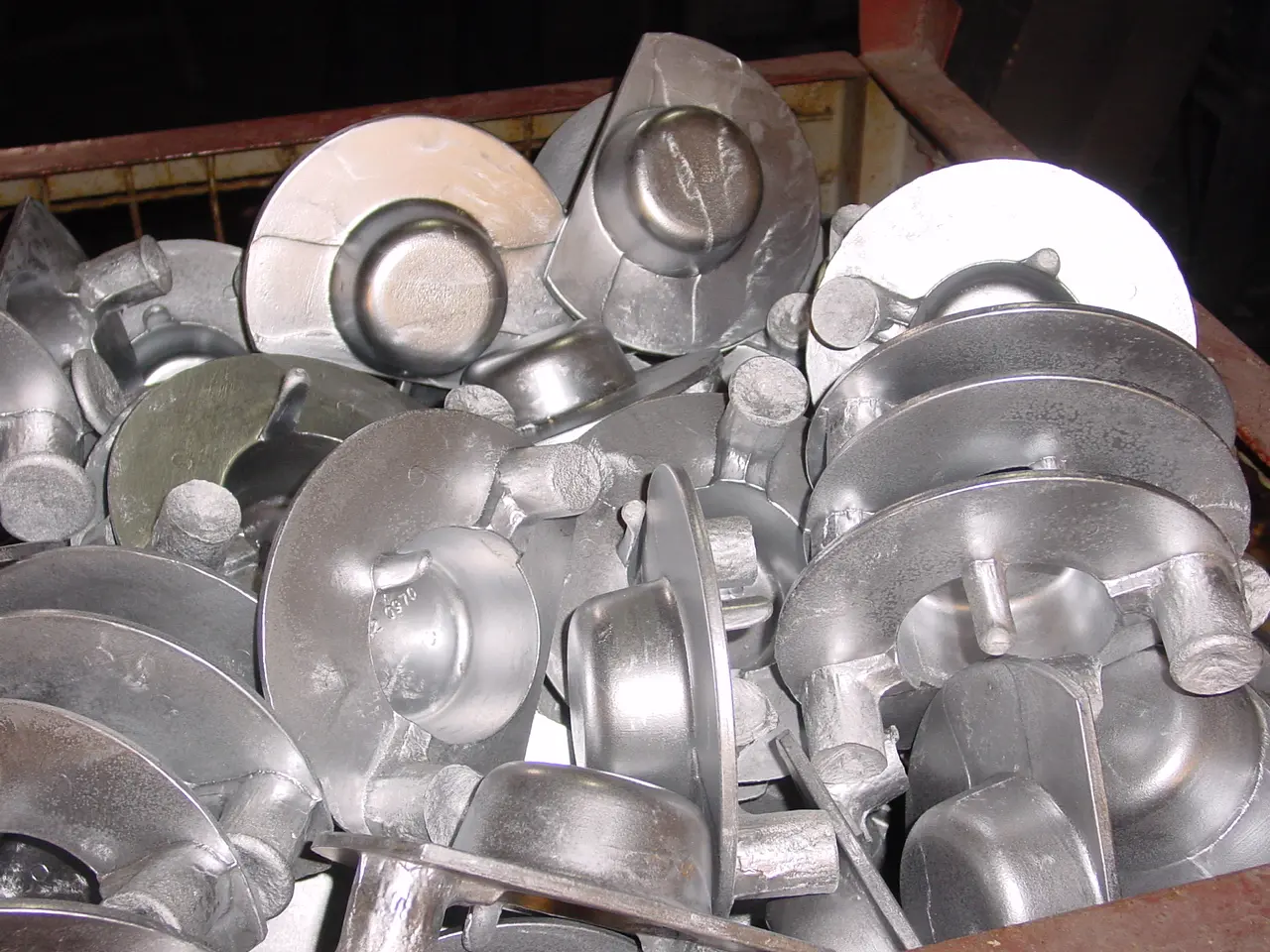
At TOS, we support our customers in material selection and ensure a design that optimally aligns with the casting process. After casting, the parts can be further refined, if necessary, with CNC post-processing , such as milling, turning, or drilling. For added protection and appearance, we also offer various surface treatments, including blasting , anodizing , and powder coating .
With our integrated approach—from design and mold production to casting, post-processing, and logistics —you have a single point of contact and a complete production process under one roof. This means you benefit from efficient lead times, reliable quality, and competitive prices. TOS is your partner for high-quality castings using gravity die casting.

During this conversation we will briefly explain what we can do for you and answer your questions.

Based on your product and requirements, we request prices and delivery times from various suppliers.

We will then prepare a clear quote. Prices are quoted based on your terms and conditions.

Once you have approved our proposal, we will start making a prototype.

After approval of the prototype, the assignment will begin.
Gravity die casting offers many possibilities in terms of materials and alloys. The process is often used for aluminum alloys due to their favorable strength-to-weight ratio, good machinability, and high corrosion resistance. Copper alloys, such as bronze and brass, are also suitable for gravity die casting. These materials yield castings with excellent wear resistance, thermal conductivity, and mechanical properties. The use of a metal mold creates a fine grain structure and a smooth surface, ensuring high-quality and precise products. TOS advises you on selecting the right alloy and combines this with an efficient casting process for durable and reliable results.
| Alloy | Properties | Strength | Corrosion resistance | Applications |
|---|---|---|---|---|
|
AlSi7Mg |
Good castability, corrosion resistant |
Middle |
Good |
Automotive, mechanical engineering |
|
AlSi10Mg |
Constructions, transport, aviation |
High |
Good |
Heavy constructions, tools |
|
Copper alloy (bronze) |
Copper alloy (bronze) |
Middle |
Good |
Bearing housings, pump parts |
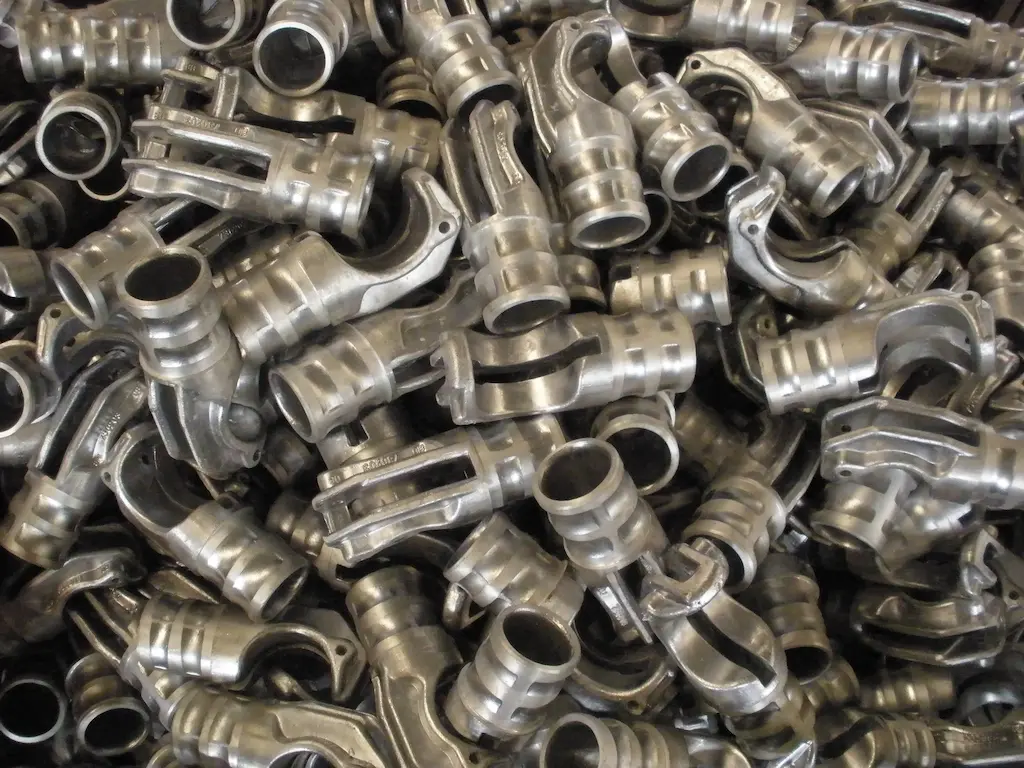
At TOS, we always critically examine the design before starting gravity die casting. Using DFM (Design for Manufacturing), we advise on optimizations in wall thickness, draft angles, and detail level. We also support the selection of the right alloy, such as AlSi7Mg or AlSi10Mg. A smart combination of design and material selection ensures lower production costs, a shorter lead time, and high-quality castings.
After the intake and DFM consultation, the customer receives a transparent quote for gravity die casting. This quote clearly details both the mold production costs and the unit prices. We also provide an indicative schedule for the entire process: from the design of the gravity die to series production. This way, the customer knows exactly what to expect, both technically and financially.
A successful series in gravity die casting starts with a good mold design. Our engineers develop the permanent metal mold with an eye for detail, cooling, and release. Thanks to our international network of foundries and mold makers, we can respond quickly and offer competitive prices. Once the design is approved, the mold is produced and tested, so it is immediately ready for trial casting. Often, before the mold is started, we 3D print models that we offer for review.
Although gravity die casting often achieves high dimensional accuracy, post-processing is often necessary, such as milling, turning, tapping, or drilling, to achieve the correct fit and functionality. At TOS, we have the right partners and techniques to perform CNC post-processing efficiently and cost-effectively. This allows the castings to be fully finished to size and immediately ready for assembly or mounting.
For added protection and appearance, castings can be surface-treated after gravity die casting. Depending on the application, we offer various options, such as anodizing for aluminum and powder coating for a durable finish. These treatments not only improve corrosion resistance but also give the products a high-quality appearance that complements the customer’s application.
In the final step, we ensure that the castings fully meet the specified requirements. Each component undergoes a visual and dimensional quality inspection , with certificates and reports available upon request. We then package the components entirely according to customer specifications and prepare them for export. Thanks to our logistics solutions , including inventory management and customs clearance, TOS can deliver quickly and reliably – directly to the customer or anywhere worldwide.
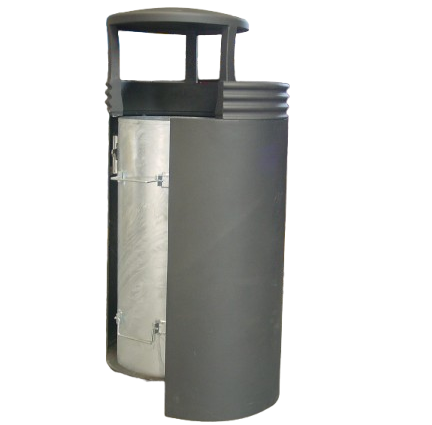
For a client who supplies street furniture to municipalities, we developed a specially designed waste bin, fully adapted to intensive....
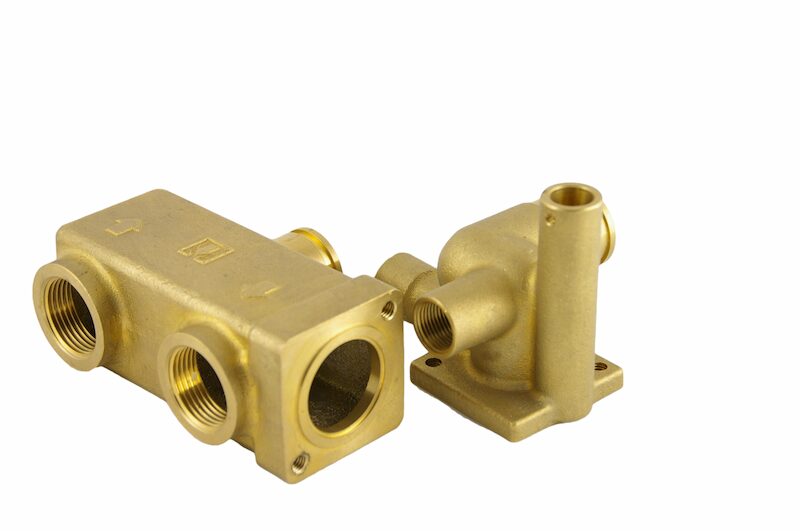
For a client in the heating technology industry, we produce high-quality brass castings for use in technical installations. These components....
Gravity die casting is a casting process in which liquid metal is poured into a permanent metal mold, also called a die. Because the metal solidifies in a hard mold, a casting is created with high dimensional accuracy and a smooth surface. Gravity die casting is ideal for parts that require greater strength and precision than sand casting, but where the volume requirements do not justify a high-pressure die . At TOS, we use gravity die casting for a wide range of applications, from machine components to structural profiles.
Although gravity die casting already ensures high precision, many products undergo further processing after casting. At TOS, we offer CNC post-processing services such as milling, turning, tapping, and drilling, ensuring parts meet exact specifications. In addition, castings can be finished after gravity die casting with surface treatments such as anodizing, powder coating, or galvanizing. This not only enhances the functionality and lifespan but also the aesthetics of the final product.
TOS is your complete production partner for gravity die casting. We support customers from the initial consultation and design phase to the production of the gravity die, trial castings, series production, and all post-processing. Thanks to our international network of specialized foundries, we can guarantee competitive prices and short lead times. We also offer additional services such as logistics, inventory management , and quality control . With TOS, you choose a single point of contact, clear communication, and reliable quality for every gravity die casting project.