
At TOS – Technical Outsource Solutions, we support companies in developing and producing high-quality castings using investment casting (lost wax casting). This technique enables the creation of highly complex and precise shapes with excellent surface quality.
We advise on material selection, tolerances, and finishes, and support customers from design and prototyping to series production. Thanks to our international network of specialized foundries, we offer competitive prices, short delivery times, and flexible production options. With TOS, you choose a single partner who manages the entire process – from design to post-processing and assembly .
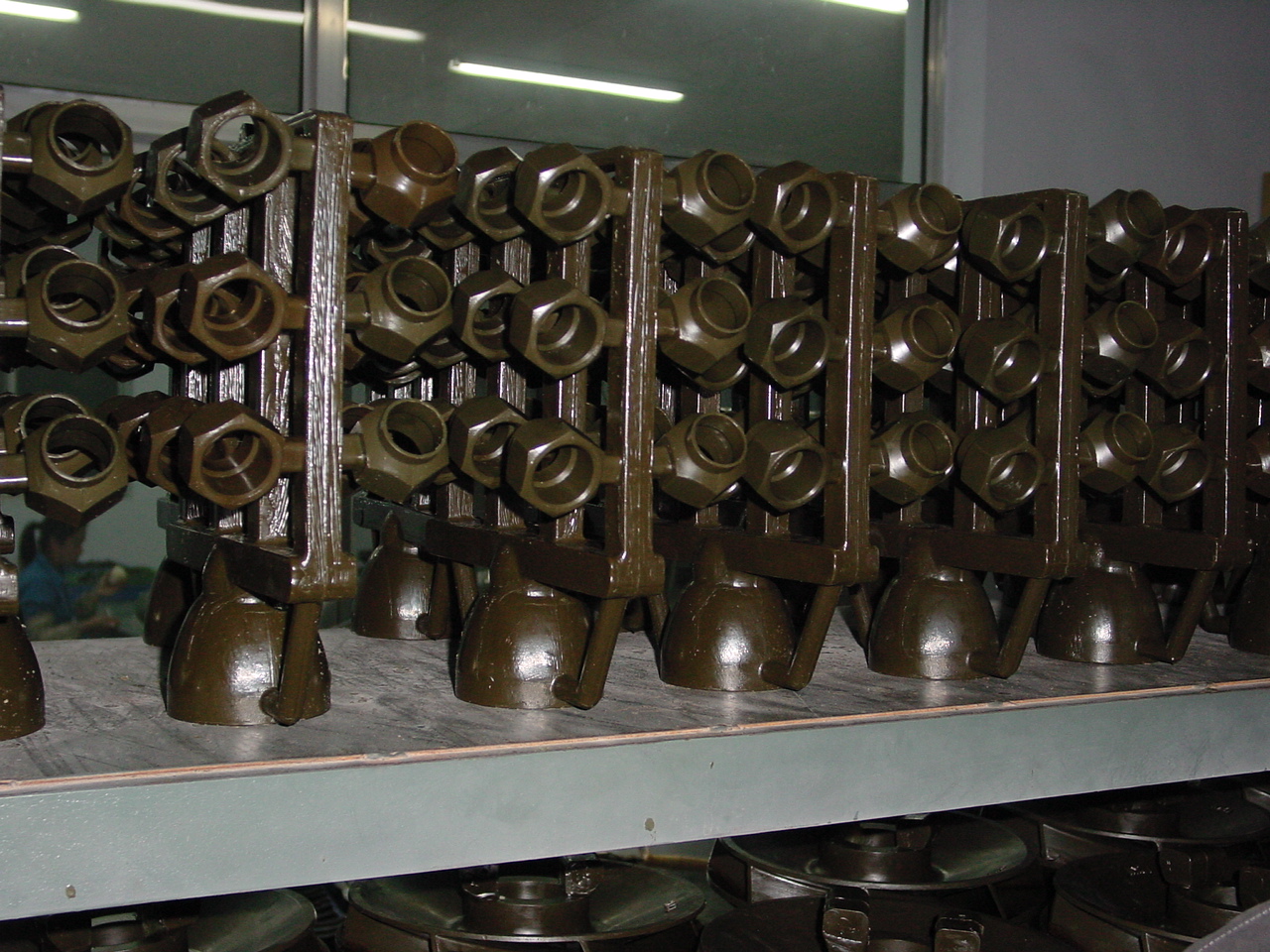





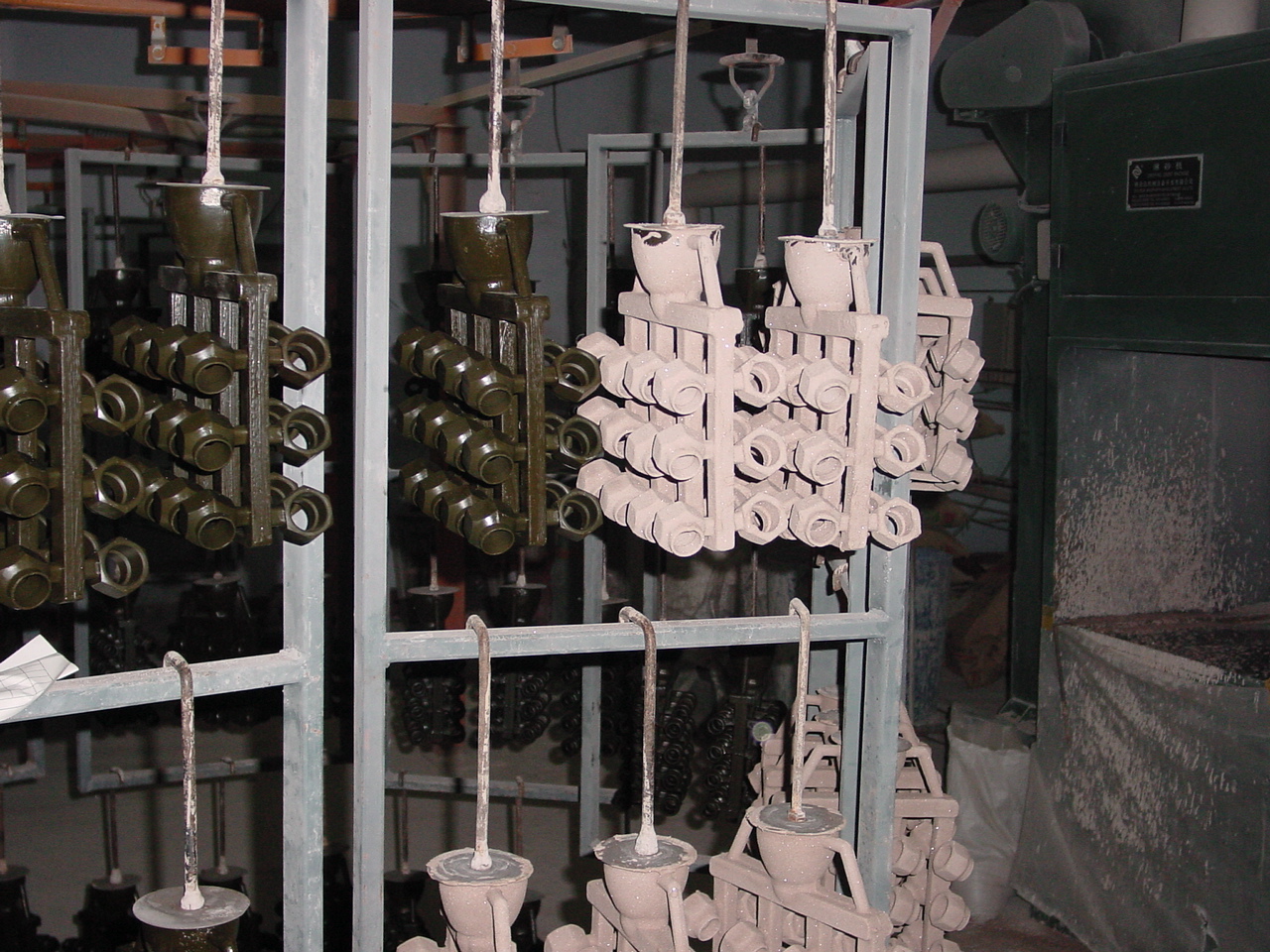
Lost-wax casting is a casting process in which a model is made of wax and then coated with ceramic or water glass. After heating, the wax melts away, creating a precise mold that is then filled with molten metal. The result is castings with high dimensional accuracy, thin walls, and a smooth surface.
Within lost wax casting there are two commonly used variations:
At TOS, we support customers with both methods. We advise you on the best technique for your application and ensure the right balance between quality, cost, and delivery time. After casting, we offer CNC machining and surface treatments such as chemical or mechanical polishing , powder coating , or galvanizing . This way, we deliver a complete and customer-focused production process.

During this conversation we will briefly explain what we can do for you and answer your questions.

Based on your product and requirements, we request prices and delivery times from various suppliers.

We will then prepare a clear quote. Prices are quoted based on your terms and conditions.

Once you have approved our proposal, we will start making a prototype.

After approval of the prototype, the assignment will begin.
Lost-wax casting can be applied to a wide range of materials. Steel and stainless steel are the most commonly used due to their high strength and corrosion resistance. Copper alloys and aluminum are also possible, depending on the application.
At TOS we help you choose the right alloy, tailored to functionality, strength and finish.
| Alloy | Properties | Strength | Corrosion resistance | Applications |
|---|---|---|---|---|
|
Steel (C-steel) |
Corrosion resistant, wear resistant |
High |
Bad |
Mechanical engineering, constructions |
|
Stainless steel (e.g. 304/316) |
High strength, wear resistant |
High |
Excellent |
Food, maritime, chemical |
|
The aluminum alloy |
Lightweight, good castability |
Middle |
Good |
Automotive, housings |
|
Copper alloys |
Good conductivity, wear resistant |
Middle |
Good |
Electronics, fixtures |
At TOS, we employ a structured approach to every investment casting project. From initial consultation to final delivery, we ensure an efficient process with a focus on quality, cost-effectiveness, and turnaround time. Thanks to our expertise in wax models, ceramic molds, and controlled casting processes, we can create complex and intricately detailed parts with high precision.
Below you will find the 10 steps we follow to successfully and reliably produce castings using lost wax casting.
Our team provides Design for Manufacturing advice to optimize the design . We consider wall thicknesses, tolerances, and the level of detail. We also advise on the right alloy so the casting can be produced sustainably and cost-efficiently using the investment casting process.
Using precise wax models, we build the foundation of the casting. These models are then encased in ceramic or waterglass layers, which harden to form a strong mold. This forms the core of the investment casting process and allows for highly complex shapes. Often, before the wax molds are started , we 3D print models, which we offer for inspection.
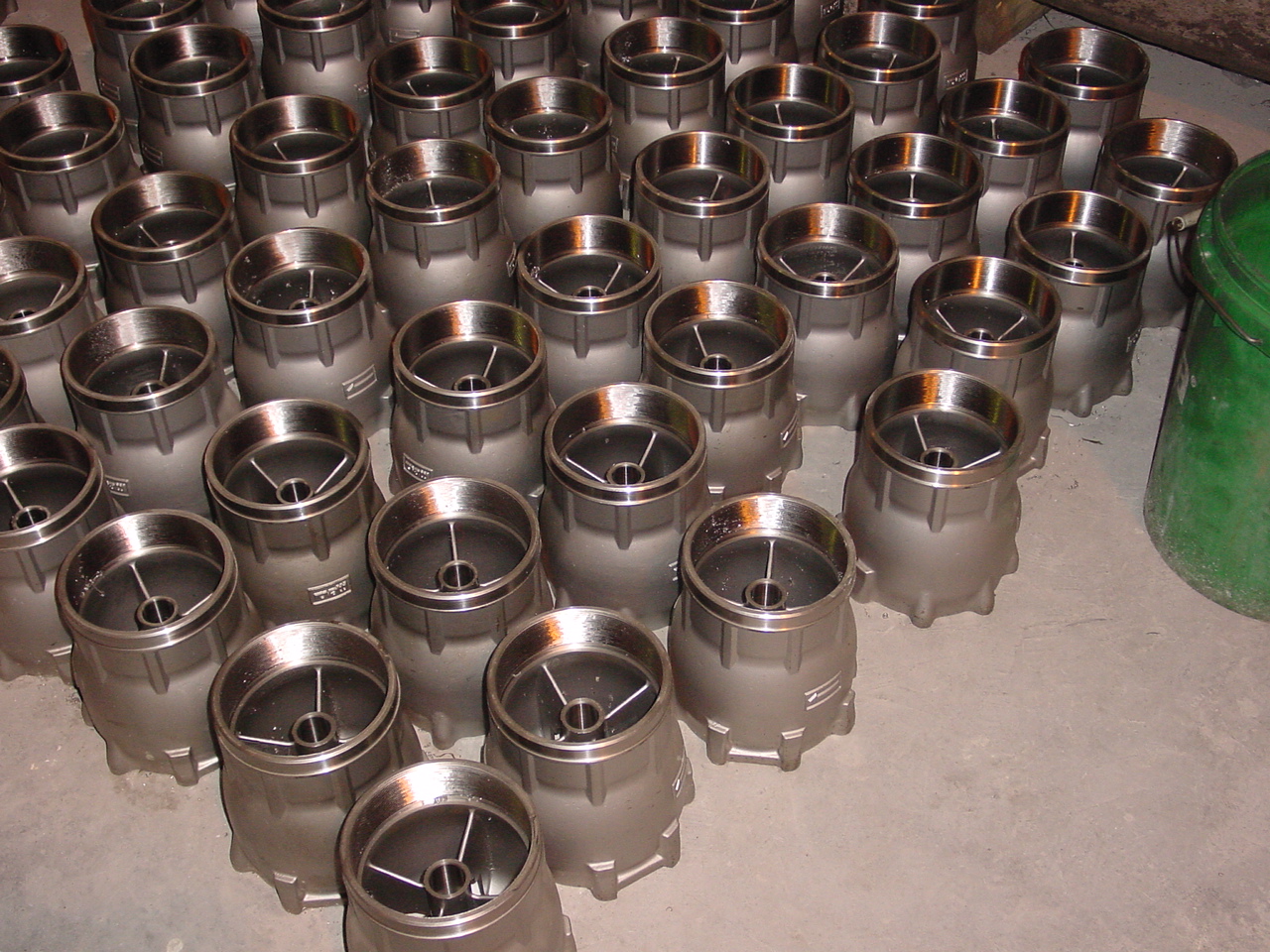
Many components require additional post-processing, such as CNC milling , turning, drilling, or tapping. By combining these processes directly with the casting process, we deliver a complete, ready-to-assemble end product.
Depending on the application, the casting can also be surface-treated. Options include galvanizing , powder coating , mechanical and chemical polishing , or E-coating . This improves the corrosion resistance and appearance of the cast part.
Before shipping, each casting undergoes a thorough quality inspection . We can provide certificates and test reports upon request. Finally, we ensure secure packaging and reliable logistics , ensuring your products are ready for immediate use.
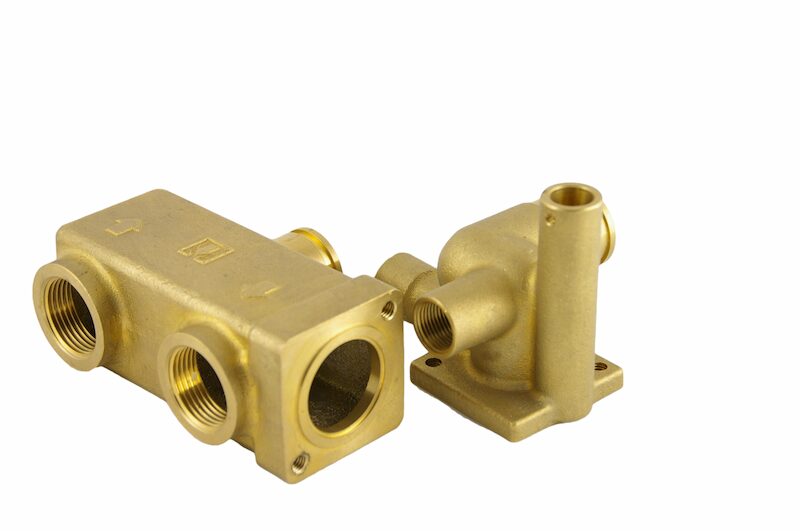
For a client in the heating technology industry, we produce high-quality brass castings for use in technical installations. These components....
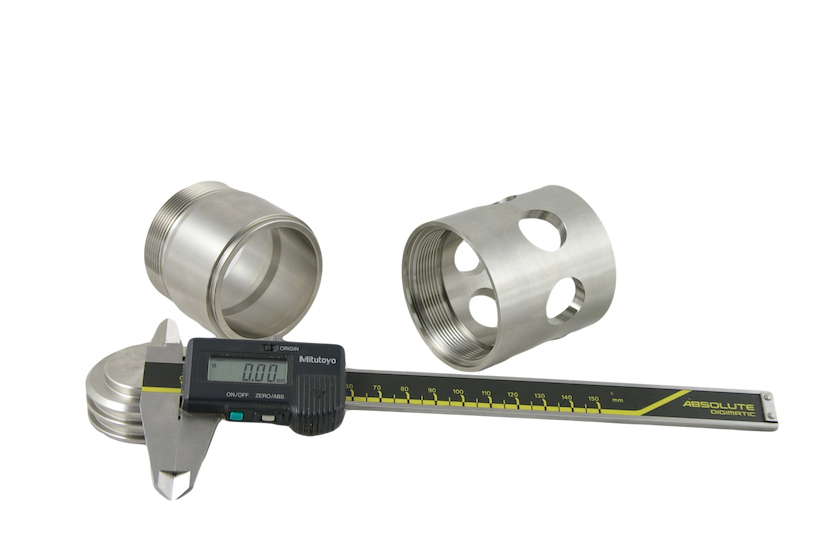
For a client in the cryogenics industry, we produce high-quality machined parts that must meet strict safety and temperature requirements.....
After casting, TOS can provide various finishes. These include galvanizing for corrosion protection, powder coating for color and durability, or polishing or chrome plating for a high-quality appearance. This ensures that the castings are optimally tailored to your application, both functionally and aesthetically.
We handle the entire process: from design and wax models to casting, CNC post-processing, and logistics . This gives you a single point of contact and guaranteed quality.