
At TOS – Technical Outsource Solutions, we support companies in the production of high-quality forgings. Forging is a production technique in which metal is formed into the desired shape under high pressure and often at elevated temperatures. This results in parts with excellent strength and wear resistance.
We advise on material selection, tolerances, and machining, and support you from design to series production. Thanks to our network of reliable forges, we can offer competitive prices, short delivery times, and flexible production volumes. With TOS, you choose a single partner who manages the entire forging process – from engineering to post-processing and surface treatment.
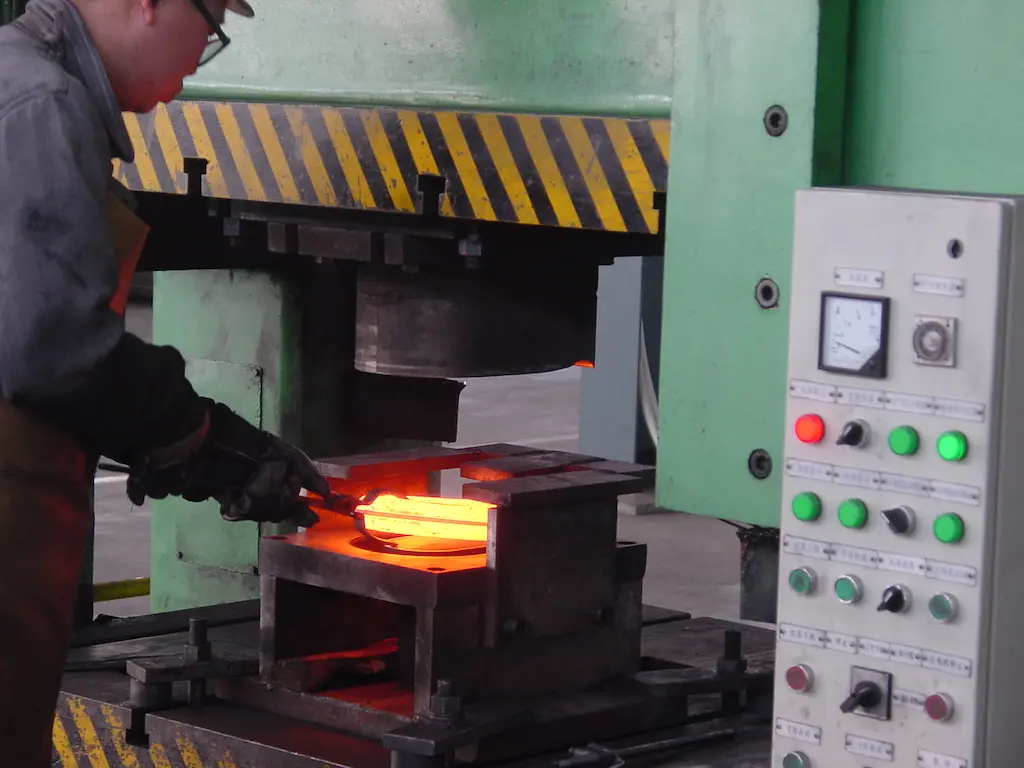





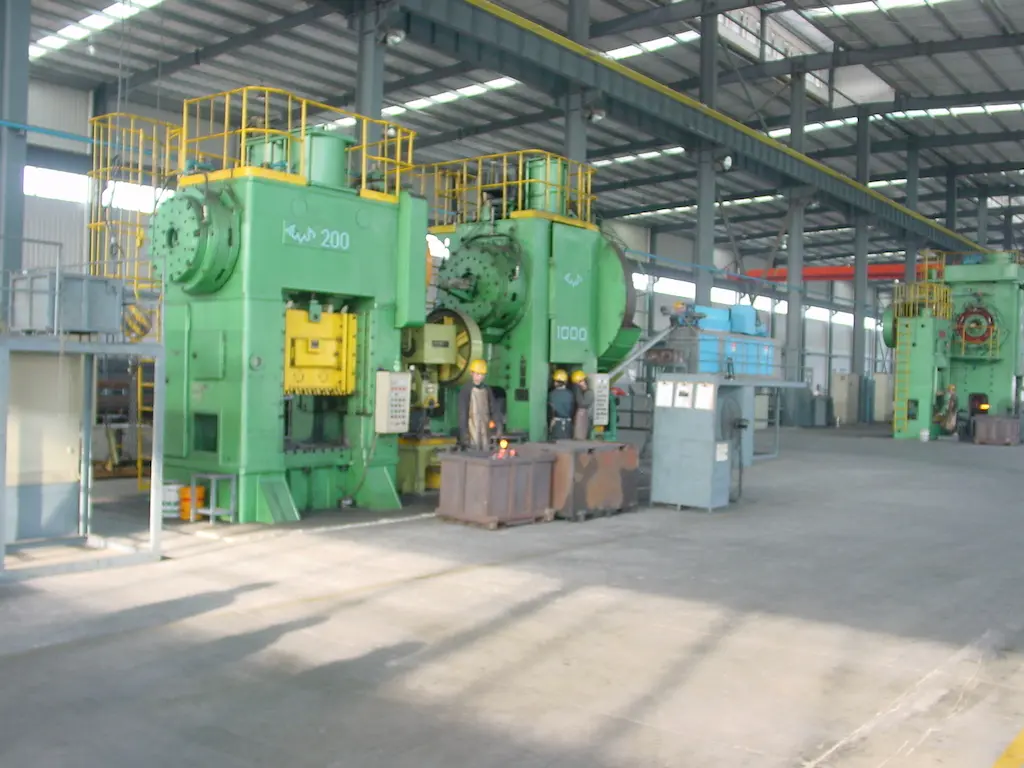
Forging is a process in which metal is plastically deformed by compressive or impact forces. The result is components with high material density and excellent mechanical properties. Forging is primarily used for steel products, but aluminum and stainless steel are also suitable, depending on the application.
There are two main forms:
At TOS, we help you choose the right forging process. Our engineers advise on materials, tolerances, and machining methods. After forging, we also perform CNC finishing operations such as turning or milling. Heat treatments (annealing, normalizing, hardening) are often required after forging. In addition, common surface treatments such as galvanizing or powder coating can be applied. This ensures you get parts that meet both technical and aesthetic requirements.

During this conversation we will briefly explain what we can do for you and answer your questions.

Based on your product and requirements, we request prices and delivery times from various suppliers.

We will then prepare a clear quote. Prices are quoted based on your terms and conditions.

Once you have approved our proposal, we will start making a prototype.

After approval of the prototype, the assignment will begin.
Materials and alloys for forging
Forging is most commonly used for steel, due to its high strength and wear resistance, which are essential for heavy-duty structures and technical components. Stainless steel (for corrosion-resistant applications) and aluminum (for lighter structures) can also be forged.
At TOS, we recommend the right alloy for each project. This ensures that the combination of mechanical properties, weight, and surface quality is optimally suited to the application.
| Material | Properties | Strength | Corrosion resistance | Applications |
|---|---|---|---|---|
|
Steel |
Very strong, wear resistant |
High |
Moderate |
Axles, gears, couplings |
|
RVS (304/316) |
Corrosion resistant, wear resistant |
High |
Excellent |
Food industry, chemical, maritime |
|
Aluminium |
Lightweight, highly malleable |
Middle |
Good |
Aviation, transport, light construction |
At TOS, we employ a structured approach to forging. From intake and design optimization to series production and delivery, we guide our clients through the entire process. Thanks to our expertise in drop forging and free forging, we create strong, durable, and precise components, fully tailored to the customer’s application and technical requirements.
Our engineers provide advice based on Design for Manufacturing . This involves optimizing the design to ensure it is suitable for forging, taking into account tolerances and efficient material use. We also recommend the appropriate alloy, such as steel or aluminum, depending on strength, durability, and application.
We usually start by printing a few 3D models and submit them for inspection. Before starting series production, we conduct a trial run. During this First Article Inspection (FAI), the first forgings are tested for dimensions, tolerances, and material structure. Any improvements are implemented immediately, ensuring the final series meets all requirements.
After the trial run, there’s a design freeze. During this freeze, we incorporate all feedback and finalize the specifications. This provides certainty for both the customer and the manufacturer and ensures stable, reproducible production during the forging process.
After forging, components can be further processed using CNC techniques such as milling, turning, or drilling. These finishing processes ensure a perfect fit and increase the functional value of the forged parts. This allows us to supply components that are immediately usable in assemblies and machines.
All forgings undergo strict quality control , including visual and dimensional inspections. We can provide certificates and reports upon request. We then handle customer-specific packaging and export preparation. Thanks to our logistics solutions —such as inventory management and customs clearance—we deliver forgings reliably and worldwide. In addition to production and machining, TOS also handles the assembly of components into complete modules. We then arrange customer-specific packaging, export documentation, and customs clearance. If desired, we maintain stock and deliver just-in-time to you or your customer. By combining production, machining, assembly, and logistics, we manage the entire process for you and guarantee an efficient and reliable process.
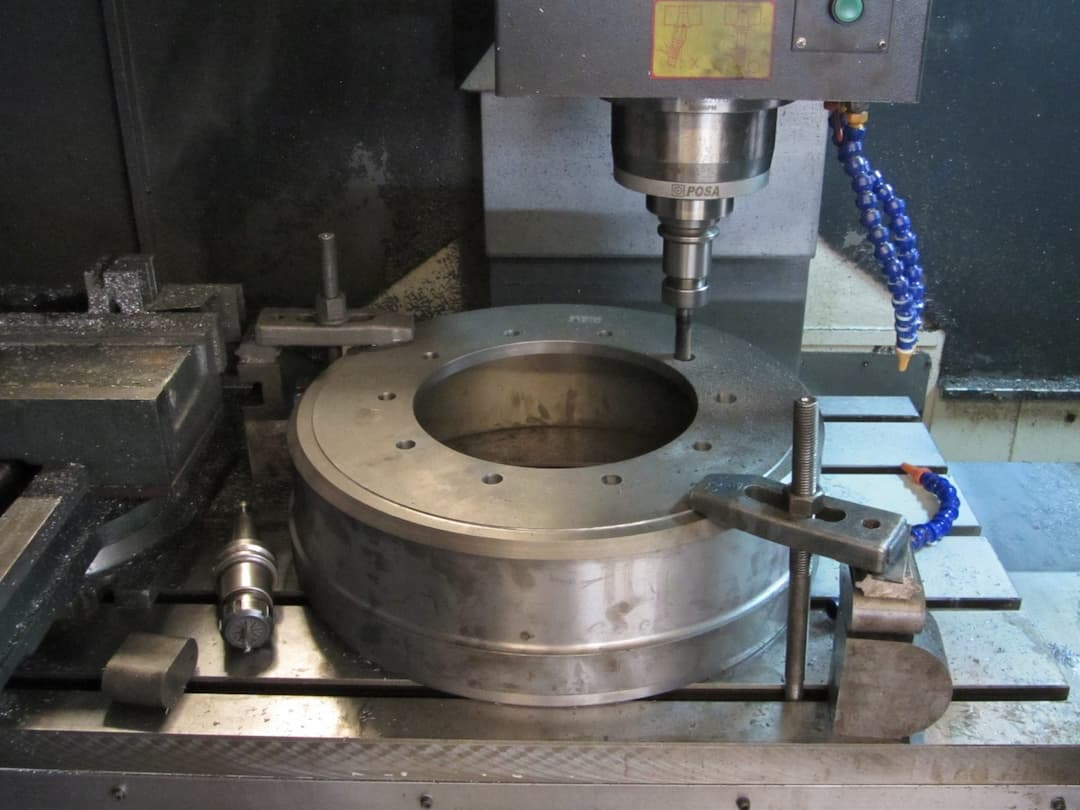
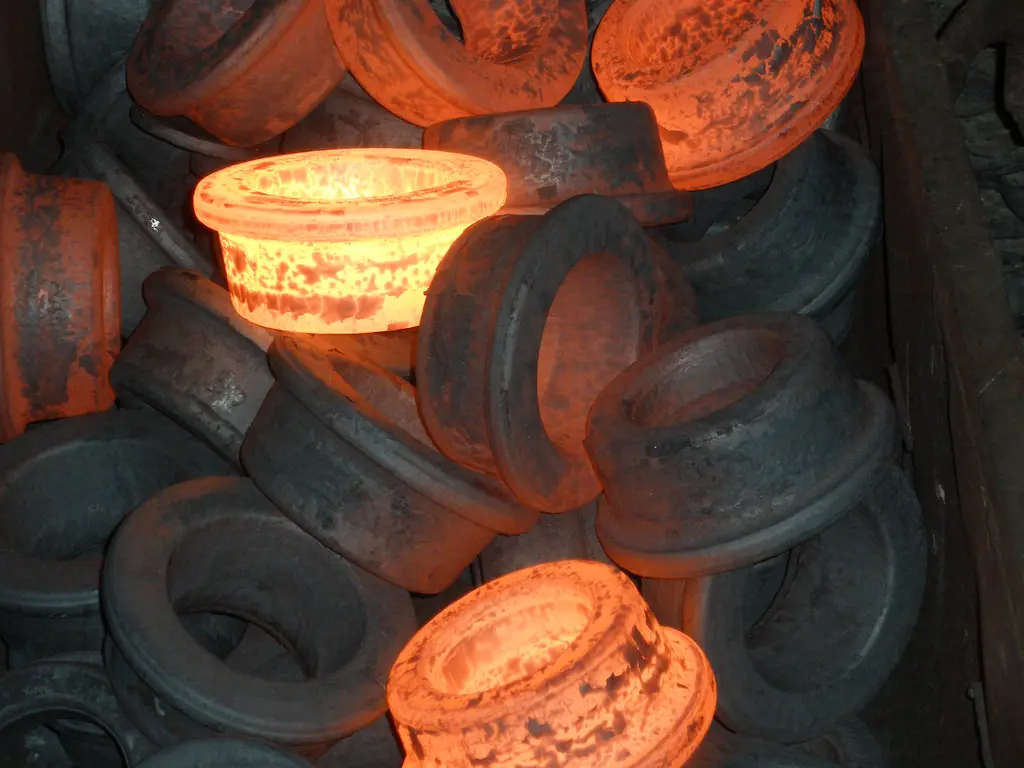
For one of our regular customers, we produced brake drums with an inner diameter of 500 mm, made entirely of....
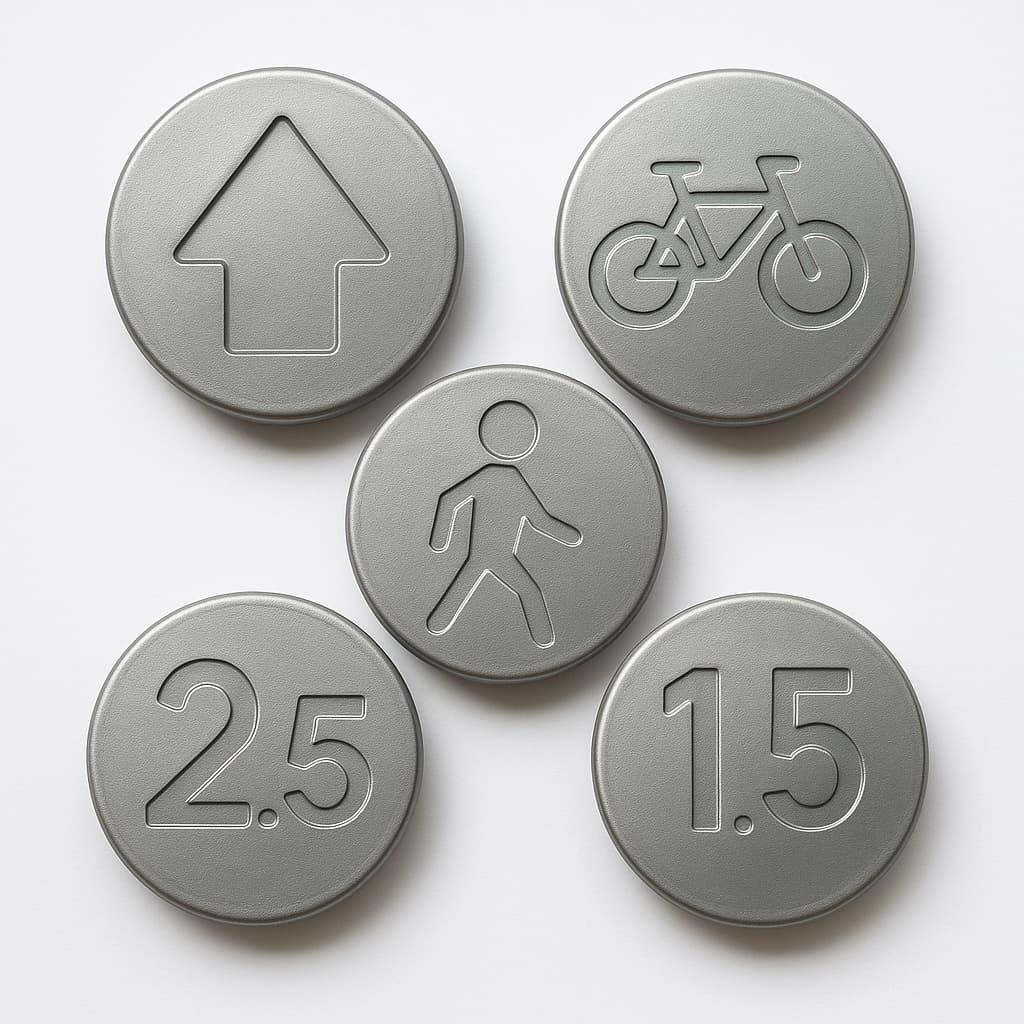
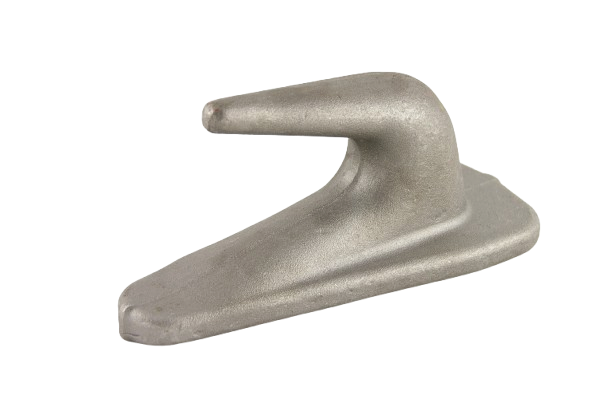
For a regular customer, we produced a series of stainless steel road nails used to mark walking and cycling routes.....
TOS is your complete partner for forging. We guide customers through the entire process: from the initial consultation and the choice of drop forging or free-form forging to production, CNC finishing, and logistics. Thanks to our international network partners, we can offer competitive prices, short delivery times, and reliable quality. With TOS, you have a single point of contact and benefit from efficient communication and consistent results. Whether it’s prototypes, small runs, or large-scale series production: we ensure high-quality forgings that meet the highest standards.