



At TOS – Technical Outsource Solutions, we polish metal parts for a high-quality, high-gloss finish. Polishing can be performed mechanically or electrolytically, depending on the desired appearance and application.
Mechanical polishing uses grinding and polishing discs to smooth and polish surfaces, while electrolytic polishing uses an electrochemical process to remove microscopic imperfections. Both methods ensure aesthetic and hygienic results. Thanks to our network of specialized partners, we offer consistent quality, competitive prices, and short delivery times. With TOS, you choose a single point of contact for production and surface treatment.


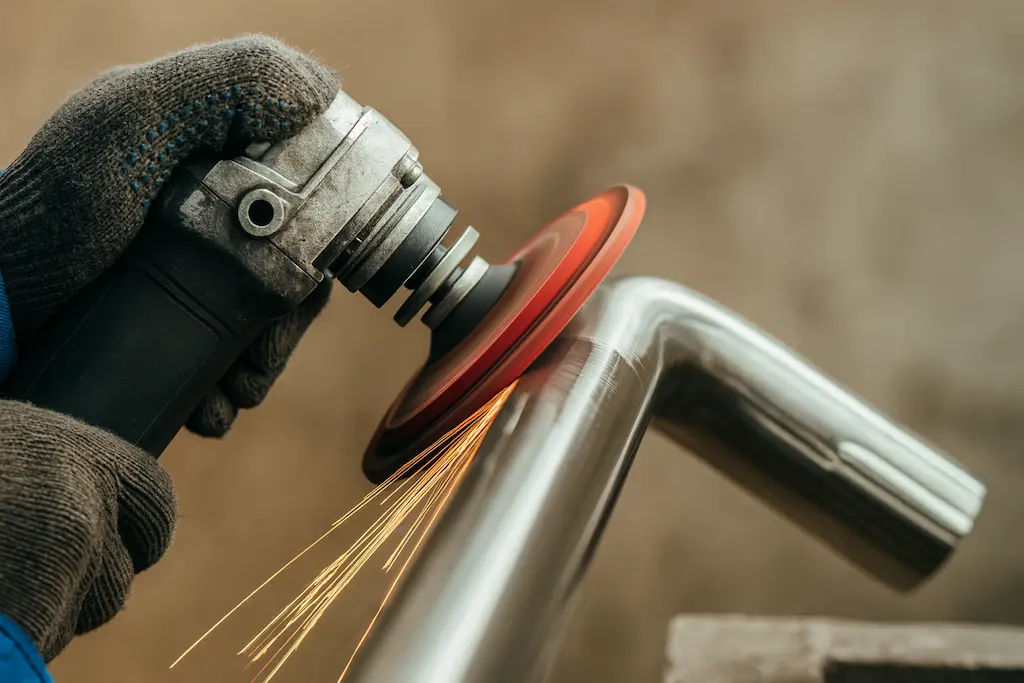
Polishing is a surface treatment that gives metal parts a smooth, shiny, and aesthetically pleasing finish. The process can be performed mechanically or electrolytically. Mechanical polishing removes scratches and imperfections with sanding and polishing discs, resulting in a smooth, mirror-like finish. We often apply this method to parts made using lost-wax casting , CNC machining , or stainless steel welded parts .
Electropolishing involves placing the product under voltage in a conductive fluid, which dissolves microscopic peaks and creates an extremely smooth and hygienic surface. This technique is ideal for applications in the food, pharmaceutical, and medical sectors, where cleanability and hygiene are paramount.
At TOS, we advise you on the right polishing technique, tailored to your material, application, and desired finish. Thanks to our collaboration with specialized partners, we can efficiently polish both small and large batches. This ensures a durable, glossy, and high-quality finish.

During this conversation we will briefly explain what we can do for you and answer your questions.

Based on your product and requirements, we request prices and delivery times from various suppliers.

We will then prepare a clear quote. Prices are quoted based on your terms and conditions.

Once you have approved our proposal, we will start making a prototype.

After approval of the prototype, the assignment will begin.
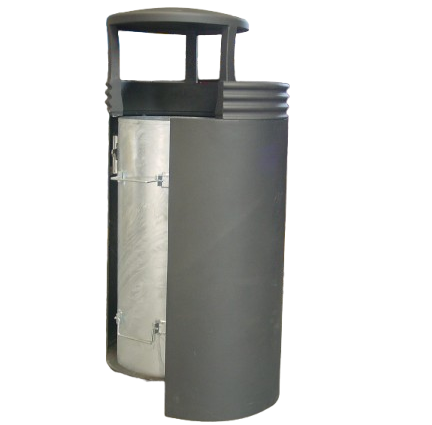
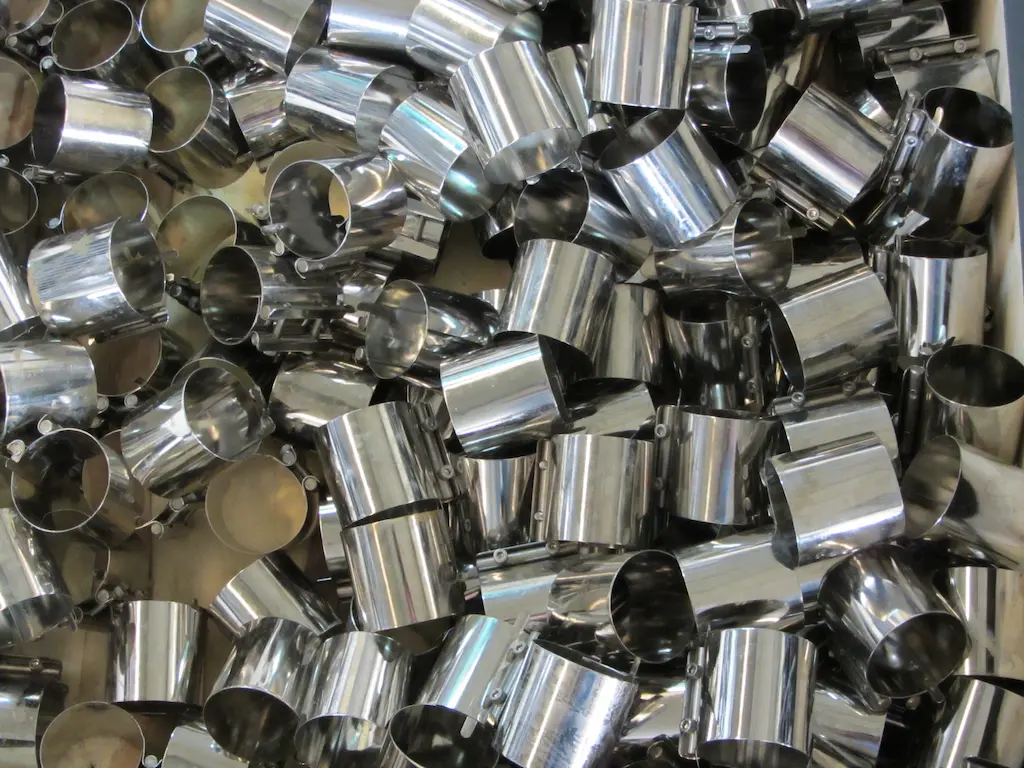
For a client specializing in self-propelled sprayers, we manufacture special spray nozzles that must withstand high pressure, chemical loads, and....
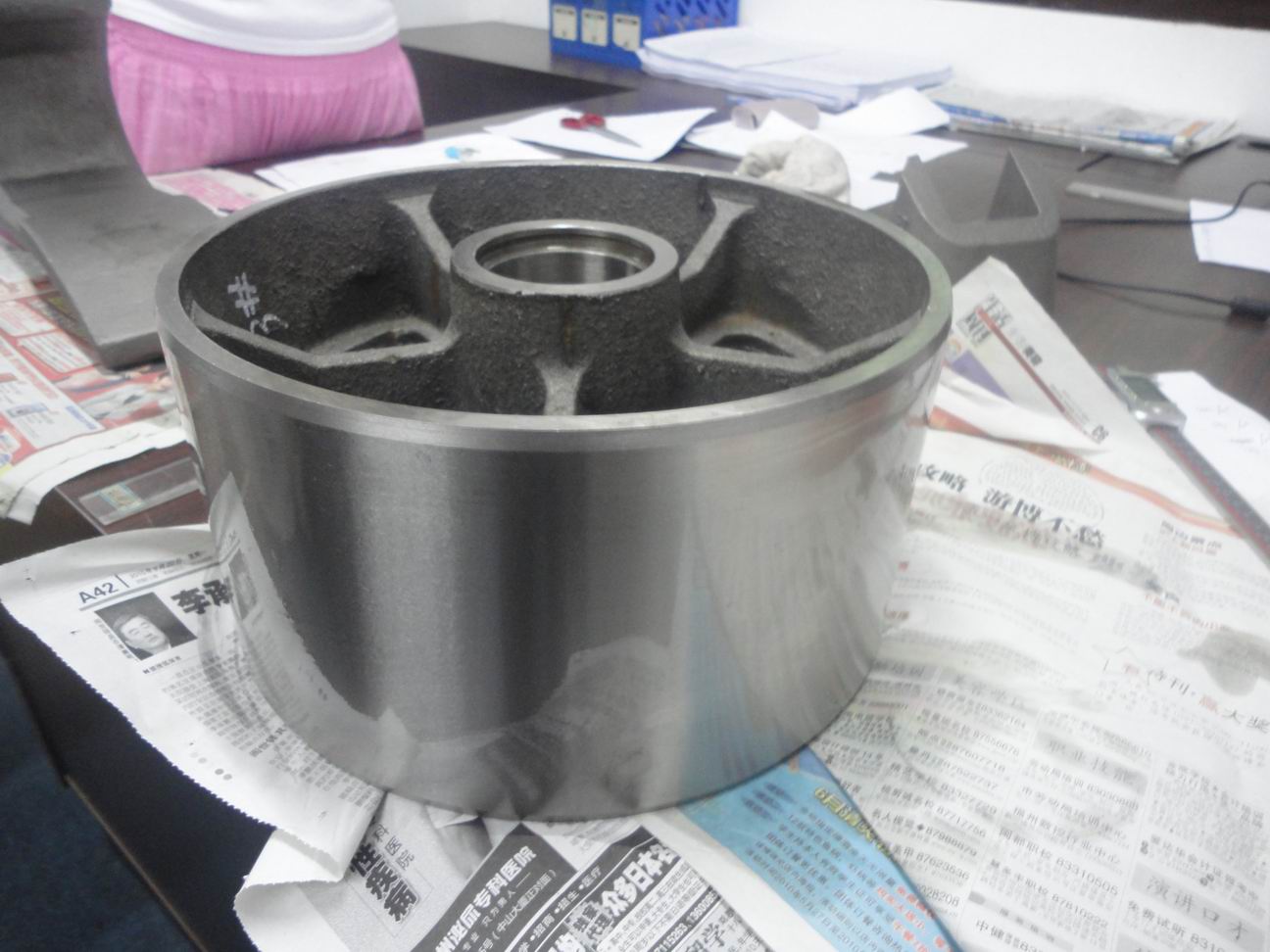
For a client in the heavy transport sector, we produced an iron wheel for high-load trailers, sand-cast in GG25 gray....
Polishing is a surface treatment that makes metal parts smooth and shiny. The process removes minor imperfections, scratches, and oxidation layers, giving the surface a high-gloss, reflective finish.
Depending on the material and the desired finish, this can be achieved using mechanical or electrolytic techniques.
Polishing metals serves not only an aesthetic purpose but also a technical one: it reduces the adhesion of dirt, bacteria, or chemicals, which is especially important in the medical and food industries. Polishing also increases the metal’s corrosion resistance.
There are two main methods of polishing:
In short, mechanical polishing is ideal for visible surfaces and design products, while electrolytic polishing is mainly used in sectors where cleanliness and hygiene are crucial.
Polishing can be applied to various types of metal. The most common are:
By choosing the right technique and polishing agents, TOS can always guarantee the desired gloss level and surface result.
Metal polishing is used in many industries, for both functional and aesthetic reasons. Some examples:
By smoothing the surface, polishing contributes to better performance, longer life and a professional appearance of metal parts.
With TOS Outsourcing, you choose a complete process, from production to finishing. We collaborate with specialized partners in Poland and China, selected for their quality, precision, and reliability.
TOS coordinates the entire process: from pretreatment and material selection to mechanical or electrolytic polishing, quality control , and logistics .
Our advantages:
With TOS you are assured of high-quality polished metal parts that meet the highest standards in terms of appearance, hygiene and durability.