
A forging provides strength and a material-saving preform; CNC machining of forgings in China then ensures functional accuracy. Consider bearing seats, bores, threads, fitting surfaces and mounting contours.
TOS coordinates forging allowance, references, clamping, heat treatment and measuring method as one production route. This way we prevent the raw forging part and the machining from being optimized separately.

We define the planes and centre lines from which machined features are dimensioned on the customer drawing.

Sufficient—but not excessive—material is added only where machining is required.

Shape variation and scale require clamping points that secure the part without distorting dimensions.

Material, heat treatment and interrupted cuts affect cutting conditions, tool wear and machining time.
Fits, positions and relationships are inspected after all dimension-defining operations are complete.
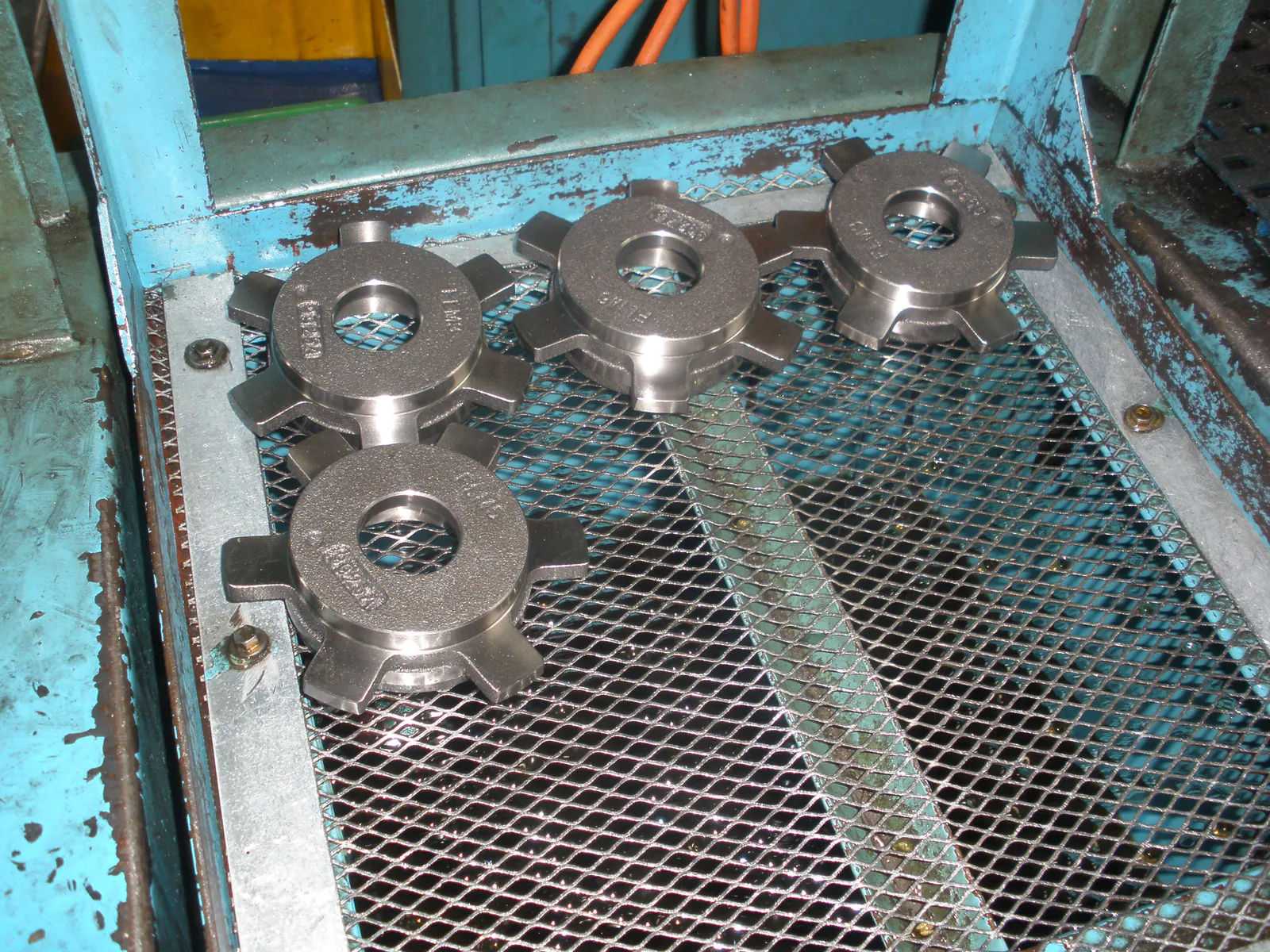
A rough forging has natural shape variation. As a result, it cannot always be clamped against an arbitrary outer surface. We are looking for fixed references that can position the part repeatedly and assess whether an initial plane or drilling is necessary to build up the following operations.
The sequence of free-form forging-in-china/”>free-form forging, heat treatment, straightening and machining also counts. Hardness or change in shape after heat treatment can be a reason to pre-process and only then make the final dimensions.
For recurring series, one Chinese production route can combine the forging and CNC machining. Sometimes the forging supplier itself has suitable machines; sometimes TOS connects a specialized machining partner. In both cases, one technical coordination remains leading.
We assess not only the CNC hourly rate, but also material surcharge, number of fixtures, tool wear, measuring time, failure risk and protection of machined surfaces during transport.

We record which features remain forged and which surfaces, bores or contours are machined.

References and local machining allowances are linked to the expected variation of the rough part.

Part size, hardness, accessibility and required measuring equipment determine the suitable CNC partner.

The first machined forging is measured for functional dimensions and relationships before the series is released.

Chips and coolant are removed; sensitive fits are protected for packaging and transport.
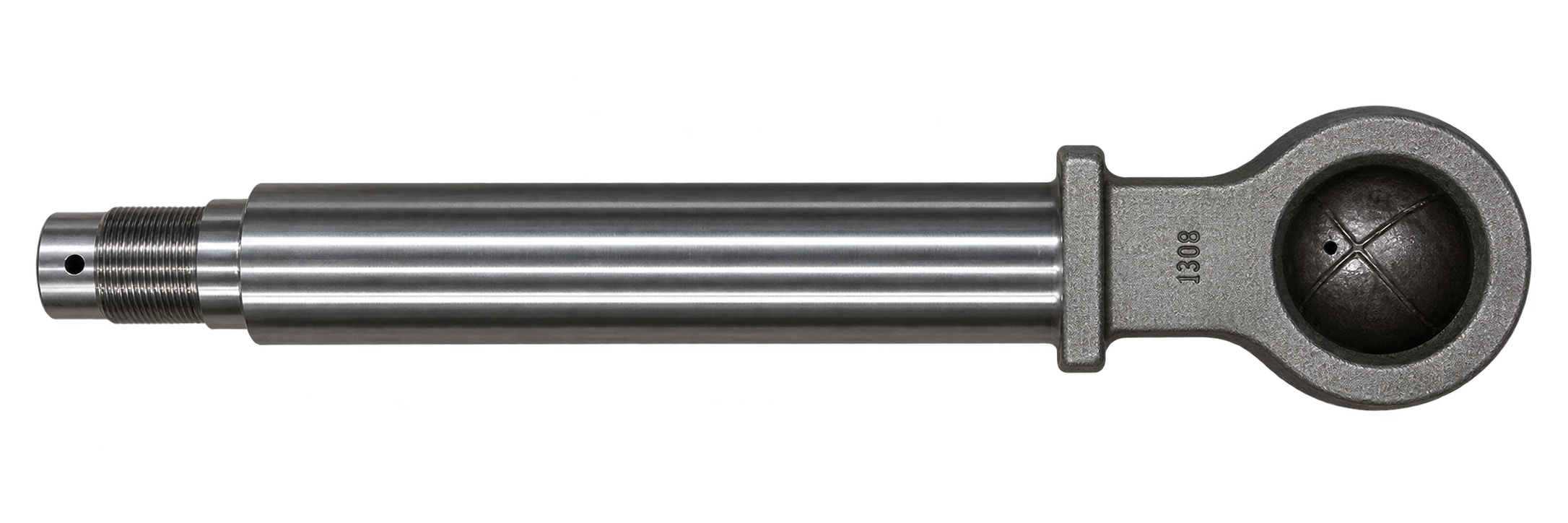
A forging does not need to be made completely smooth or dimensionally stable. By machining only bearing seats, sealing surfaces, threads and mounting points, the strong and material-efficient preform is retained. This can be much more efficient than milling the complete part from solid block material.
For machining, TOS uses partners from the network for CNC turning and CNC milling, tailored to dimensions, material and batch size.
We compare the final drawing with the rough forging form and record which features are machined. We then coordinate the forging partner, CNC capacity, heat treatment, measurement plan and delivery.
We determine which contours are created in the mold and which surfaces, holes and fits are machined after forging.
The customer drawing remains the governing document. We mark references, position requirements and interrelationships that determine clamping and measurement.
It is reviewed for each processed surface whether enough material is available to completely cleanly machine oxide skin and shape variation.
We determine whether roughing, heat treatment and finishing are necessary to keep hardness and dimensional change manageable.
Machine range, clamping, tools, material hardness and measuring options are inspected by the partner.
The first part practically confirms references, accessibility, cutting conditions and tool selection.
Functional dimensions are inspected by appointment. Measurement reporting is provided when this has been agreed in advance.
During the series, clamping, tool wear and critical dimensions are monitored according to the control plan.
After CNC, parts are cleaned and where necessary preserved, coated, marked or mounted as part of an assembly.
Fitments, threads and sealing surfaces are protected for transport. Packaging and delivery are included in the all-in route.
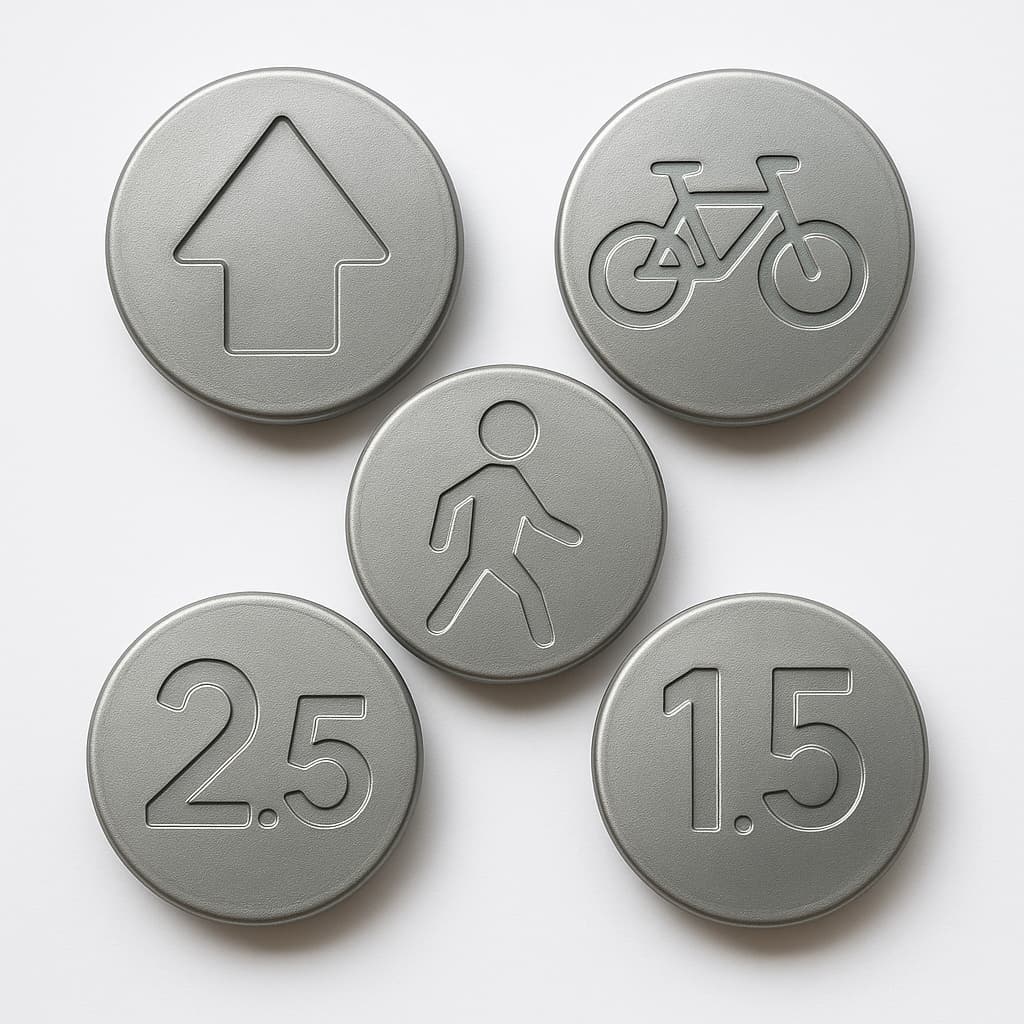
For a regular customer, we produced a series of stainless steel road nails used to mark walking and cycling routes.....
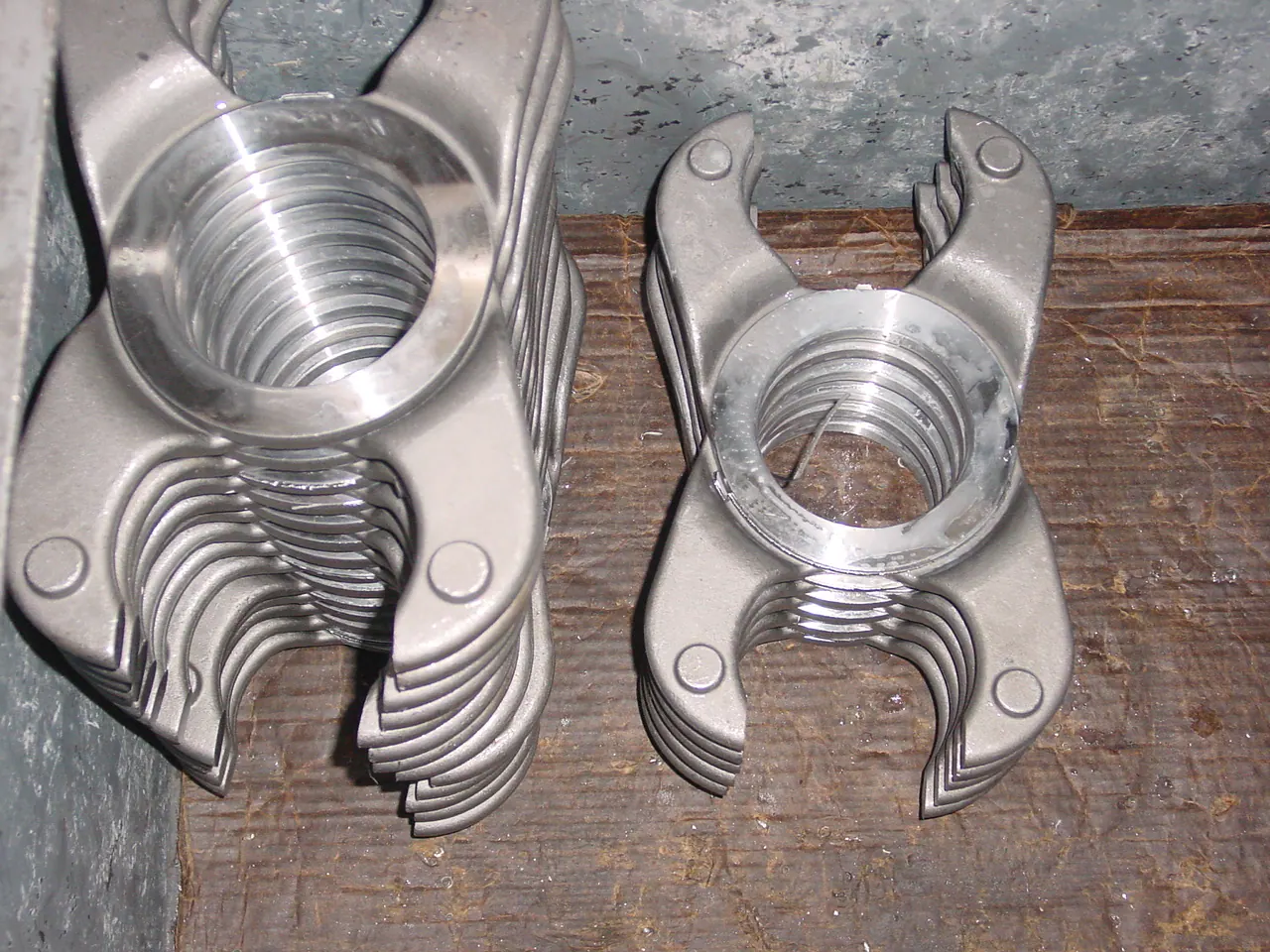
For a client in the container industry, we produce high-quality forged parts used in various structural components of container frames....
Common features include bearing seats, bores, threads, sealing surfaces, fitting dimensions and mounting contours. The rough forging skin can remain in non-functional areas.
That depends on hardness, size change and final tolerance. Sometimes it is first pre-processed, then heat treated and then finished to final size.
The surcharge depends on part size, forging process, local shape variation, oxide layer and clamping. TOS determines this together with the forging and CNC partner per surface.
We choose repeatable dates or create a specific clamping jig. Sometimes a reference surface or bore is first made for the following processing steps.
Send the final drawing, rough forging drawing or STEP files, material, quantities, heat treatment and desired inspection. If data is missing, TOS can record or scan the existing part.
Technical request
Upload a PDF, DWG or STEP/STP file and receive a detailed response about manufacturability, the production route and your request for quotation.